To win a contract of some ministries, the National Assembly or other institution is an age-old dream of every company. It is worth the money, so competition is fierce and almost always goes beyond the rules of fair play. In any case the country can hardly speak of transparency here, even though the state supposedly always chooses the most advantageous offer. Thanks to their relations with the right people in positions of responsibility many companies have been profiting tens of thousands of euro on the back of taxpayers for years. Thus, for a tool of combating corruption, public procurement became the main legal way to syphon the state treasury.
The most explicit testimony that the power really selects from a range of favourites, is the study of the Bulgarian Industrial Association, conducted among 500 managers from various sectors of the economy in the period November 20 to December 7. According to business representatives only those that are close to the state and municipal leaders win tenders. Even with the procedures that are funded with money from EU funds, corruption is vast and continues to grow – from 66% in 2010 to 75% this year.
To gain some idea of who took what from the state purse in the last 12 months, the BANKER made a review of some of the largest orders. The image is not exhaustive because of the huge amounts of data.
Fuels swallowed hundreds of millions
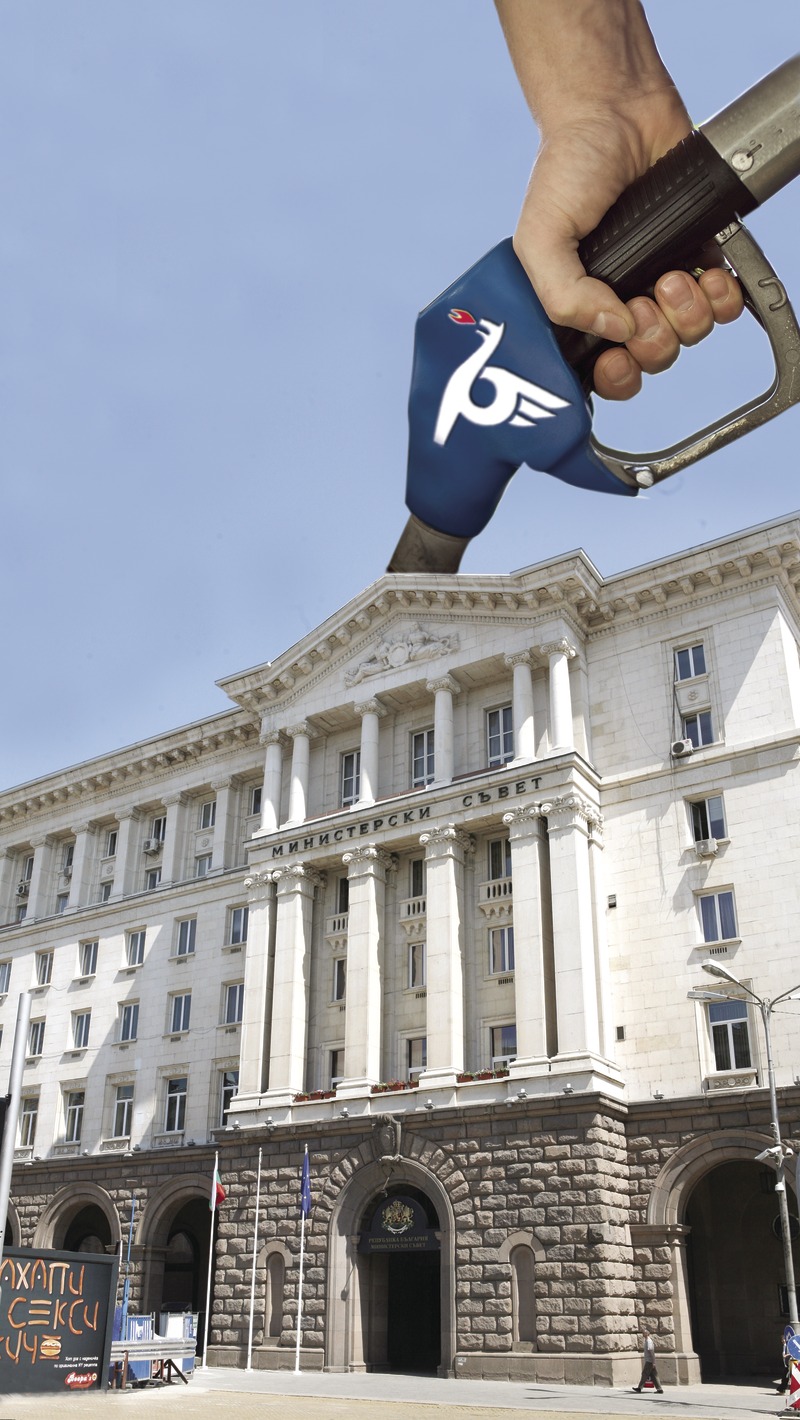
Undoubtedly the most attractive contracts are those for fuel.
nbsp;
As expected such a scenario was set for the mega procedure for BGN60 million of the Central Authority for Public Contracts, which in spring selected suppliers of petrol and diesel for the ministries and their subordinate structures – Petrol and Lukoil. In the course of the contest we were taught a lesson on how to make a tender with preliminary chosen winner. Back than, after a request from the BANKER weekly under the Access to Public Information Act we came to know that during the committee made a bunch of violations when ranking the bids and improperly selected Petrol as winner. A scandal burst out but the new auction did not change anything. Eight months later, there are a dozen of contracts, but for real competition between companies it is difficult to speak, since almost all orders have been given to the initial favourite – Petrol. Moreover, it is a major supplier of a number of agencies including the National Assembly, the Executive Agency on Vine and Wine, the Civil Aviation Administration Directorate General, State Agency for Refugees, Bulgarian Posts, TPP Maritza East 2 and many other.
However, a mistake would be to believe that Lukoil is in a disadvantageous position . On the contrary – the company gets much larger orders. For example for filling of repositories in the State Reserve. As anyone can guess, these are huge amounts of fuel, which in times of crisis should ensure the proper functioning of the state and the economy at least for several months. For the past year, Lukoil got from such orders more than BGN170 million. The last big contract – for nearly BGN31 million, was on 16 November, provided that a month before the company was awarded a contract for BGN33.8 million, and another one of BGN29.8 million on September 19.
The golden flights of the ruling circles
nbsp;
No less interesting are the tenders for the provision of air tickets to those in power. Every year ministries spend about BGN30 million on air travel, but this amount is shared between a handful of travel agencies, including the Elite Travel International, Hornit and Bulgarian VIP Travel. The idea of the Finance Minister Simeon Dyankov according to which the state could save from buying larger quantities and in a single united tender for the air tickets of state institutions fell through, as it could be expected.
Our tourism image is also costly and the tenders there are usually won by all too well known companies.
Looking at the big contracts, one should not overlook energy. Is a public secret that in this particular sector one of the biggest backstage arrangements have taken place, but still nothing tangible has been proven. Several days ago the Executive Director of the Bulgarian Industrial Association Sasho Dontchev gave the example with the distribution company EVN, which has opened a substation for BGN5.4 million, while three years ago NEC opened one with exactly the same characteristics, but for the sum of BGN11 million.