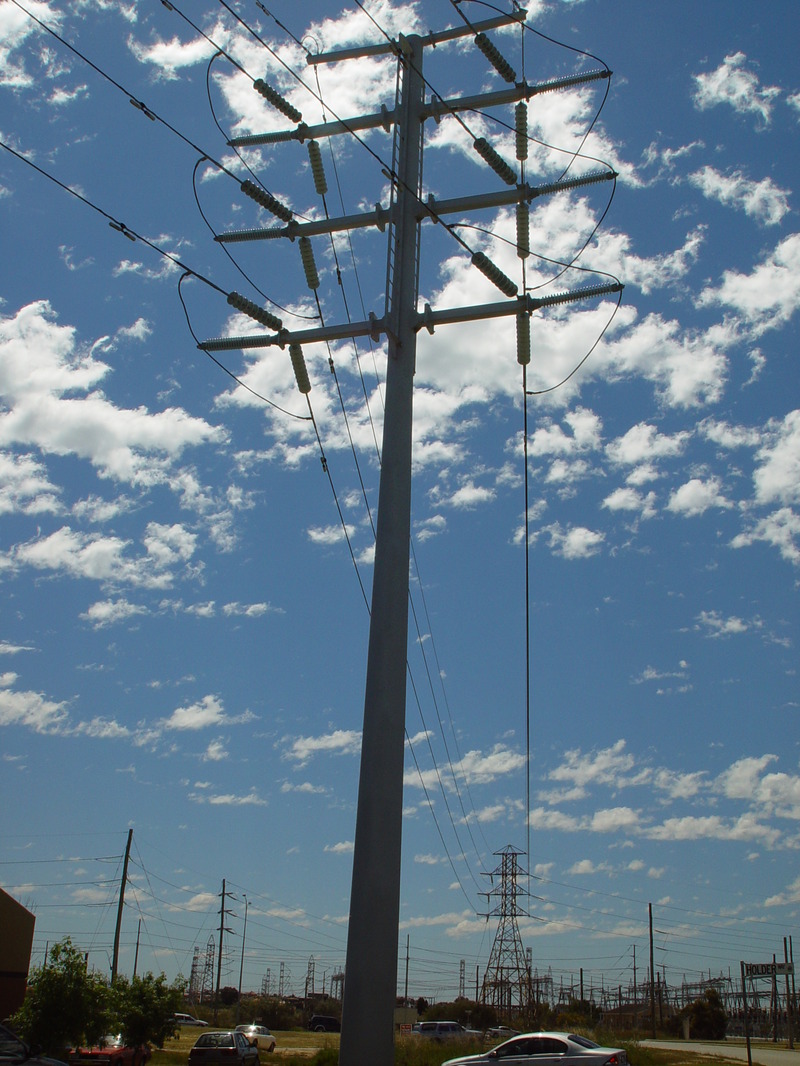
Energy infrastructure in the capital is extremely outdated and urgent measures are needed (as well as tens of millions of euros) for its upgrading. This is the sad statement of the past week that was to be heard at the open forum attended by the mayor of Sofia Yordanka Fandakova, chief architect Dikov, regional manager of CEZ for Bulgaria Petar Dokladal as well as representatives of executive and legislative power, energy experts and construction companies.
The most worrying is the state of so-called Dragalevtsi diagonalcrossing the city from the eponymous neighborhood substation to the NEC in Moderno Predgradie. The operation of the facilities started back in 1975, and is already lacking spare capacity and residual exploitation resource. In the event of a serious accident on this diagonal, 110 thousand people and several hospitals, government offices and lines of metropolitan public transportation will be cut off from the power supply. For its overall rehabilitation BGN29 million is needed, but it is now unclear where this sum may come from and nor when this may happen.
The same is the situation with the Levski diagonal, departing from Sofia TPP and crossing the centre to the national Vasil Levski stadium and substation Rila near Central Park. There facilities are even more shabby – from 1971, the reserve capacity is only 15 per cent, and a serious accident may affect affect 85 thousand customers of CEZ plus the most key state institutions – the National Assembly, the Presidency, 14 ministries and the metropolitan underground. The modernization will cost BGN29.5 million, plus another BGN6.2 million for Nikola Kolev substation that has been serving the city since 1967.
Cold temperatures in recent days showed that the power supply network of Sofia is not prepared for such abrupt climate change. Many of the facilities are more than 30- or even 40-years old. This leads to low efficiency and high accident rate. To avoid similar situations we require to make investments that we have not been allowed by the State Energy and Water Regulatory Commission. But even if we start today, the entire rehabilitation process would still take us at least 4-5 years, said Peter Dokladal of CEZ.
In turn Yordanka Fandakova noted that the gap can not be caught up as by a magic wand. Our requirements to energy companies – not just to CEZ, but also to Sofia heating company have always been to invest at the highest possible rate, but still maintaining the affordability and quality of service.