
Nearly 5.6 billion levs of the public spending this year have passed through the scheme of public procurement. A large part of the money, however, was paid only on paper and hundreds of companies face bankruptcy because of the absent-mindedness of the state and municipalities. Even more difficult is the situation for companies working as subcontractors that won public tenders, but never received money for their work.
According to the latest data from the end of September, total arrears of state institutions come to 286.5 million levs – almost 111 million levs due by the Government and 175.6 million levs – by municipalities. During the week, Finance Minister Simeon Dyankov boasted off that the debt had been reduced to 135 million levs, but we’d better wait for the official newsletter of the Ministry to confirm the amount before you trust her completely. How high is the sum of the delayed payments of large companies to their smaller subcontractors and suppliers nobody knows. For 2010 the intercompany indebtedness was estimated at 104 billion levs, and now is certainly much higher. The explanation for the lack of information is that these are commercial relationships between companies and therefore are difficult to trace. But it is an open secret that the powerful corporations (who have warm ties with the government and the judiciary) have slightly squeezed the small businesses and often try to benefit from them.
What are the chances this vicious practice to be stopped? In theory – high, but in practice – almost none. By the end of the year the National Assembly is to approve the amendments to the Commercial Code, which limit the period of settling financial relations between the companies and the state to 30 days. The same applies to payments between companies. This period will run from the date of receipt of the invoice or the relevant product or service. The one-month period will apply for the signing of a contract under a public procurement agreement, unless it is referred to another payment plan.
So far so good, but now contracts are being signed under the current law. They also clearly fix deadlines and dates, but for one reason or another they are not observed. So there is no guarantee that the new rules will actually change something.
However, the state does its best to force companies to keep accurate payers to it and does not care whether the companies in which it pays for services, supplies or works reimburse the sums to subcontractors on time. Proof of this are the protests of the construction workers of the 50 companies that build the Trakia and Maritsa highway as subcontractors to PCT Holding and Maritsa Highway respectively. The situation is similar in the construction of sewerage system and wastewater treatment plants for the big consortia and holdings hire small local businesses, and eventually forget or fail to pay them. The scheme works extremely well when it comes to foreign players who grab the lion’s pie and disappear.
It is inconceivable how these incorrect to subcontractors formations very smoothly continue to win orders for millions. Nobody deals with their past violations. There is no mechanism to control or punish them. Even European procurement directives focus only on procedures for the awarding of the contracts – each company may be removed from participation in a tender if it has tax liabilities, but there is no mentioning of indebtedness to other companies. So the vicious circle in which the same large companies absorb state money and thus drag the smaller players downward closes. And it is unlikely to be broken. There is a lack of political will to create a blacklist of defaulting companies.
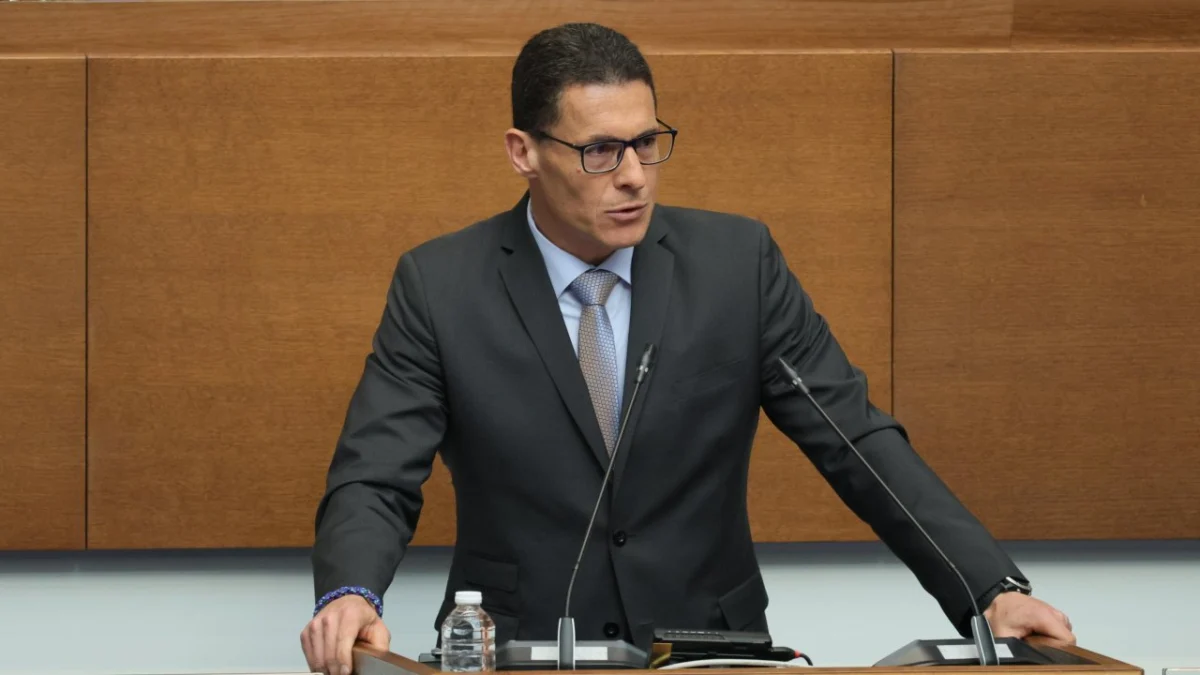
But there is hope for something else. Days ago rightist MP Mihail Mihailov submitted in Parliament new draft amendments to the Law on Public Procurement. Generally it provides for the creation of three new articles affecting the construction sector. According to them, when a project is carried out in stages, the contracting authority will pay the contractor only after a written proof that all subcontractors have taken their money for work done in the previous stage. The main objective enshrined in the draft of the law, is to prevent the bankruptcy of local contractors in the construction sector caused by willful denial to pay amounts incurred for construction work.
According to Mikhailov this will have a disciplinary effect on payments for investments financed by public entities. These changes will reduce domestic debt, in particular inter-company indebtedness, which is growing and is putting sector’s financial stability at serious risk, said Mr. Mikhailov.
Undoubtedly, the introduction of such measures makes sense. The question is: why this is proposed to apply only to construction sector? Often other supplies and services are outsourced. It is true that such orders are often performed in a single move, not in stages but surely, there lawmakers can also come up with a mechanism.