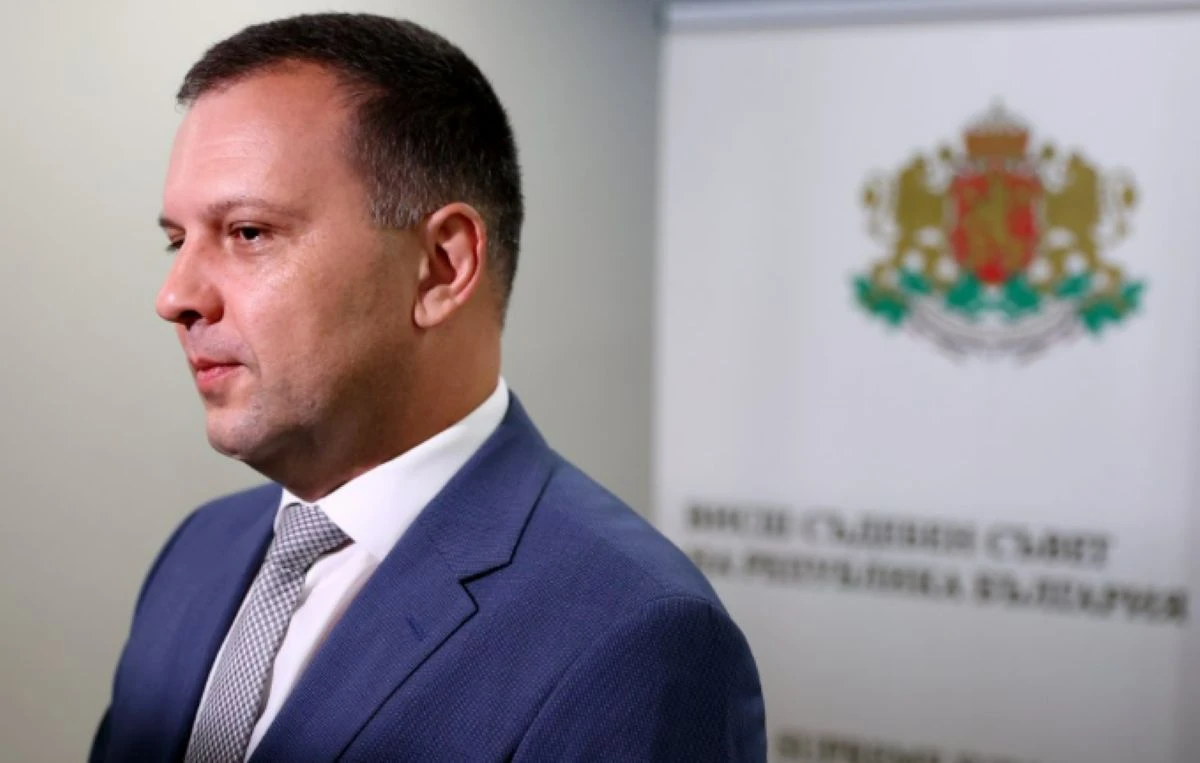
In the thick textbooks of political sciences there is one simple rule which all politicians must comply with. Namely, not to forget what they promised before elections, because there will always be people who remember. Apparently, however, the Minister of Economy and Energy Delian Dobrev is either not familiar with it, or does not really care what he says publicly. In mid-2012, he confidently explained how, over the previous two to three years Bulgaria had had a real yield of gas from two fields in the Black Sea – Kaliakra and Varna (operated by Melrose), which satisfy 15 percent of the local consumption. Adding thereto amounts of Deventsi deposit near Lovech, the country can provide another 15% to 20% of its own consumption by the end of 2013 and it will thus cover about one third of its needs. But just days ago, when the Ministry of Economy’s report of concessions was presented, Dobrev completely revised his forecast.
After the putting into exploitation at the end of this year of Deventsi gas field and after increasing the yield of the Koynare site and the maritime units Kavarna East – he said – in 2014 Bulgaria will cover one-sixth of its needs of natural gas, which in the recent years has been about 3 billion cubic meters per year.
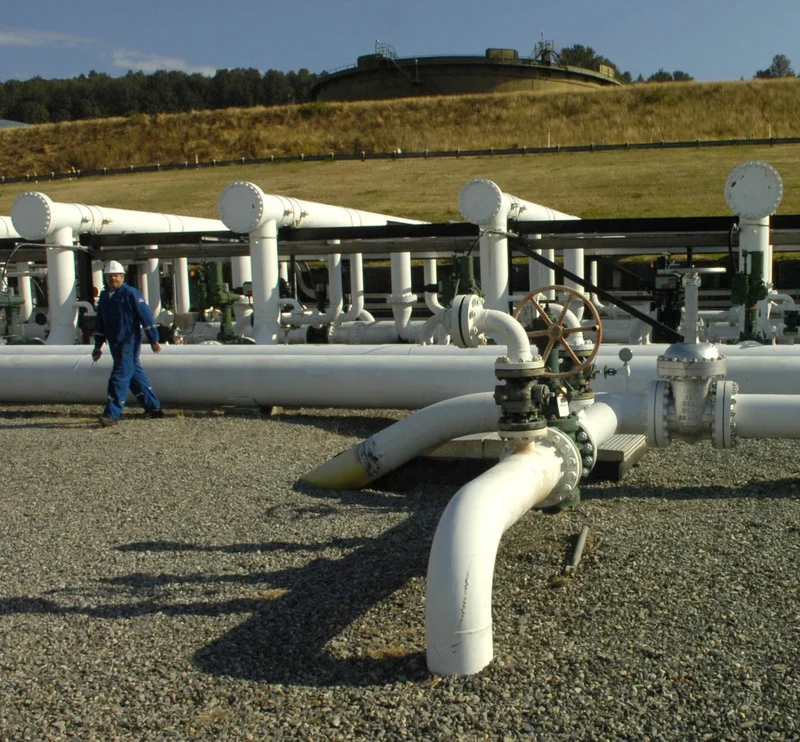
According to estimates of the Ministry the local production of natural gas will reach 574.7 million cubic meters against last year’s volumes of 490.1 million cubic meters. For 2014 it is expected to amount to 655.8 million cubic meters of gas. This modest increase in the background of the promised bombastic volumes is far from being good news for consumers. Companies extracting natural gas on Bulgarian territory sell at prices by 35 percent lower than the rates at which natural gas is imported from Russia’s Gazprom. These cheaper quantities reduce the price at which Bulgargaz sells on the domestic market – especially to regional heating companies and large industrial firms, and this has a positive impact on the overall economy.
The issue is particularly relevant in the December high heating bills, and our business is not blooming and tied. So the minister should be particularly careful with accounts such sensitive topics.
Great expectations are actually for the reserves in the Khan Asparouh block in the Black Sea, the development of which was won by a consortium between Total, OMV and Repsol. Based on preliminary studies it can be expected that reserves there are enough to supply the country for 25 years. Yet in the first or the second year of production of natural gas, the concession fee will reach 30% of the extracted quantities, said Delian Dobrev. According to him, for the Teres block, which is located near the Turkish border, has attracted interest of investors, a worldwide company that is in the top 10 in the industry. Neither its name nor whether it operates on the Bulgarian market has been disclosed, but it had already bought documents for participation in the competition, and the deadline for submission of tender offers expires at the end of May.
The Ministry expects significant interest into the competition for St. Marina site and Silistar block, which is currently under judicial scrutiny. After the competition in 2011 and the site was given for exploration to Lederbel BG, which involved the infamous owner of Frontier Krasimir Georgiev. The goal is to attract a more serious investor for Silistar and gain significantly more in bonuses than the offered 200 thousand levs from Lederbel, for a terrain close to the size of Asparouh deposit, said Economy Minister. Two permits for exploration of oil and gas in Northern Bulgaria are likely to be given to the Irish company Moesia, that earned the right to explore the land in Vratsa, Montana, Lovech, Pleven and Gabrovo.
Green light for the study of blocks 1-8 Altimir and 1-6 Pelovo is soon to be given, too
The BANKER