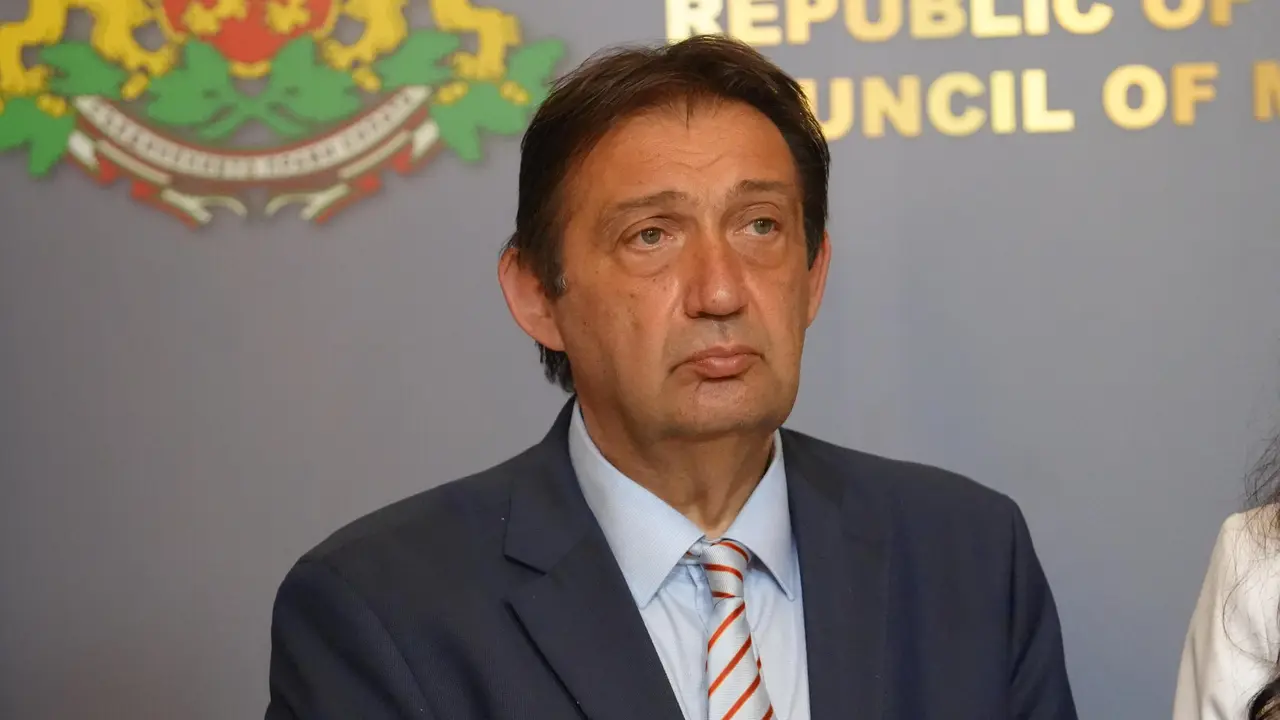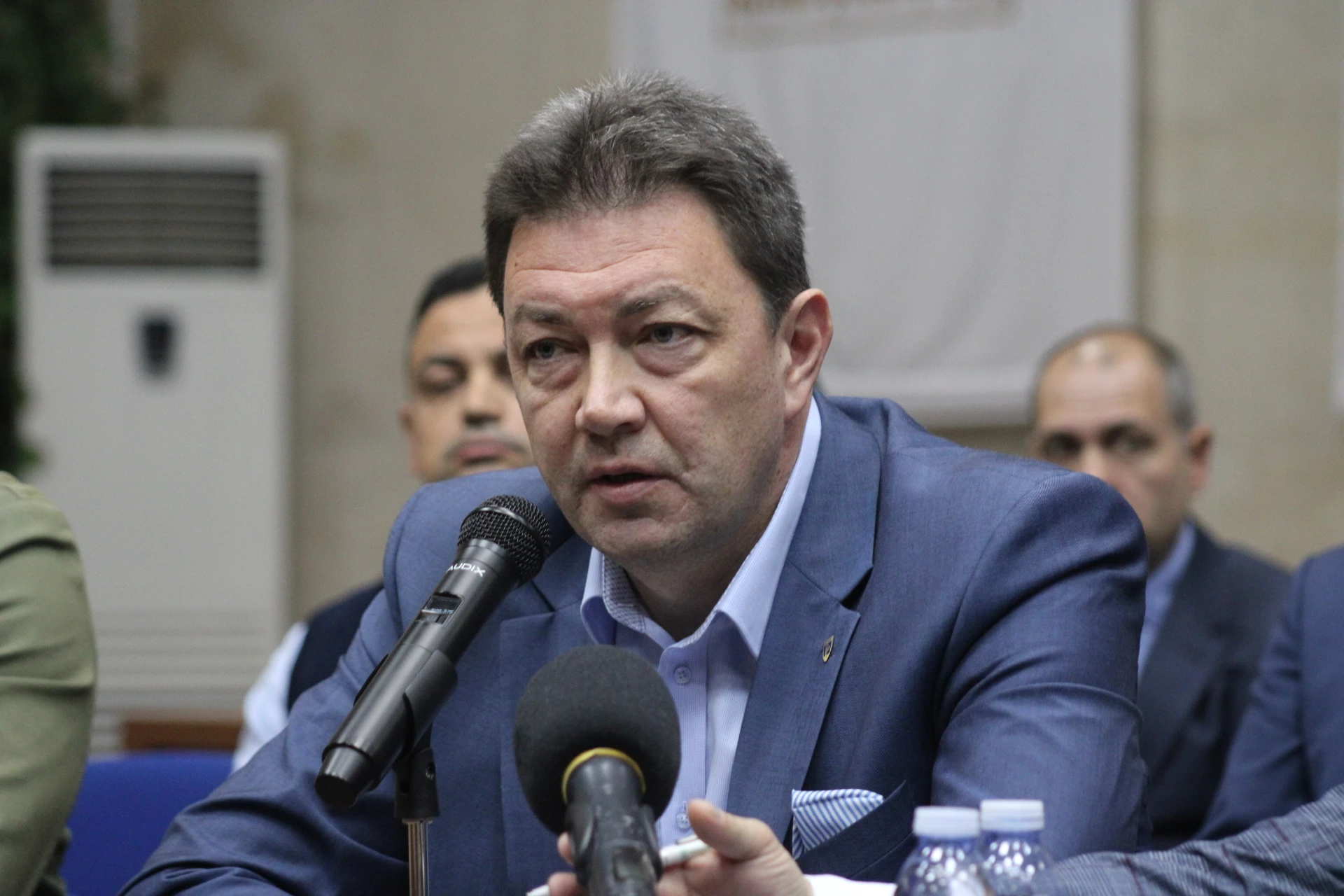
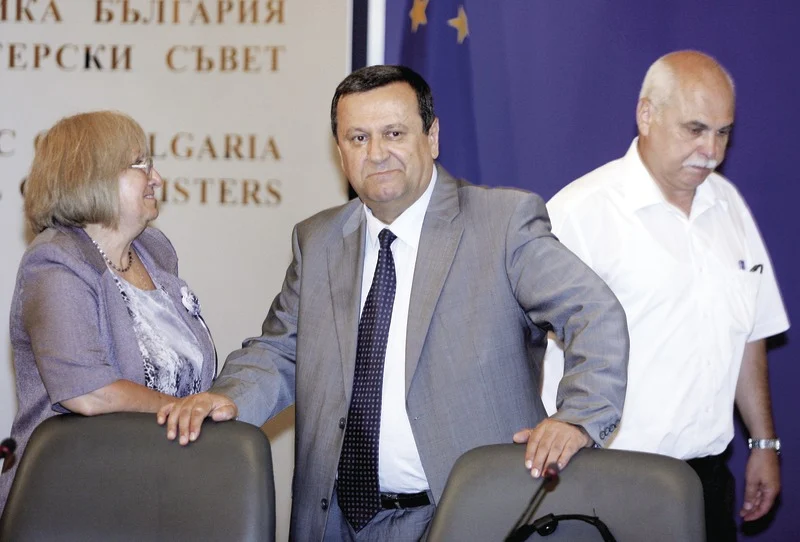
Ministry of Labour and Social Policy will try out a brand new practical model of social support in a bid simultaneously to energize labour market and save hundreds of millions in allowances and benefits. Social Minister Ademov is determined to enter the depths of the voucher system that has been used very successfully in Belgium and other European countries. In its essence, through a well-planned and co-funded scheme, the state, households and employment intermediaries help long-term unemployed and vulnerable groups to earn money on their own. Social Affairs Ministry is planning the first voucher payments to begin in early 2014 and, by the end of summer 2014, the overall pilot project to be presented in its final form. The vouchers for services will be used in all categories that receive social benefits – unemployed young people under 29, people with disabilities and parents with no income. According to Ademov, the current system of social assistance
swallows more than half a billion levs
a year, but still everybody is unhappy. Politicians are fighting for a bigger budget, beneficiaries frown at two or five levs they get as increase in their monthly allowances, and employers do not want an increase of social contributions, he said.
The social benefits for 2014 come to 14.1 billion levs. Of these indisputable in terms of the relevant institution are payments for sick leaves, which will be over 356 million levs. All other social spending groups can be optimized with tighter control and working mechanisms to stop the abuse of rights. As an example for a draining of the system and converting the social support into a profitable industry Ademov gave the popular event with Maria, the girl that was found recently in Greece. The girl’s mother, who is of Roma origin and has a total of nine children, admitted she gave birth to children only to support herself financially. The funds set aside for allowances to pregnant mothers, childbirth and childcare for 2014 come to a total of over 426 million levs. The story of Mary and her parents is not isolated, but has long ago turned into an ugly scheme under which it is children who suffered. While some are cheating on the state for money, their kids live on the street, ending in nursing homes, and the worst scenario is when they become victims of trafficking.
The main objective of the voucher model, however, is
to help unemployed re-enter the labour market.
As calculated by the Social Ministry, unemployment benefits currently are received 49,000 and the state budget for next year has earmarked 361.9 million levs for them. Until now several community service programs were active, mostly implemented by municipalities. They swallowed hundreds of millions with only a temporary effect because the employees then went back to the safety nets of the labor offices. What is new is that the battle against unemployment in the future will use the mechanisms of the education system and indirect support. Social and educational institutions will implement joint projects that will have a greater benefit than pouring money into empty pockets. It is envisaged that school dropouts will be caught by labour inspectors and directly involved in literacy courses, training or raising professional skills. Refusal to include in these programmes would mean sanctions such as exclusion from entitlement to social assistance for a specified period. In Bulgaria unemployed between 15 and 24 years of age who have left school and not included in training and qualifications courses are over 32,000. They are the main target of the voucher system and will receive vouchers for education and training. Young parents with deplorable maternity allowances are also likely to be a priority for subsidized employment.
As for the Belgian model endash it was created for a labour market in a recession, high shares of youth unemployment and huge grey sector as is the case in Bulgaria. Recently, in various forms it was introduced in troubled Greece and Latvia, but Bulgariarquote s southern neighbors emphasize more on
government training programs.
Belgian model originally did not offer courses and workshops, but direct assistance to households for cleaning, shopping, ironing, rearing children, and other repairs. The scheme was very well thought out, as all sides are involved in it – state, but also private employment agencies that hire workers. Broadly speaking it functions as follows. A public or a private firm hires unemployed people under labor contracts to provide services to households. Whoever wants to use them, buys vouchers from 7.5 euros per hour of work, and can get up to 500 a year. Furthermore, the user receives a bonus of up to 30% in tax credit to a maximum of 2,560 euros depending on the number of vouchers purchased. At the next stage the user turns to the employment bureaus, and when he or she gets the service done gives a voucher to the employee for each hour of worked. Employees report the vouchers to their labour intermediaries who give them back to the state.
In turn, the local
Employment Agency subsidizes intermediaries
with 21.1 euros per voucher. The difference of 13.6 euros covers the salary of the employee, his social and health insurance, travel and compulsory education. The state is directly involved with administrative support and free printing of labour vouchers. Employees do earn an average of 9-10 euros per hour, which they put back into economy through consumption and already pay taxes. Thus the state creates additional jobs for managers and administrative support and Belgium has over 2,600 voucher intermediaries. Last but not least, individual consumers pay only 25% of the real value of the service, and the state reduces its social costs by 38%. The data show that the scheme has enjoyed a growing interest, and from the initial 41,000 employees their number has jumped to more than 93,000 in just over four years .
Bulgaria’s social security system. roughly estimated, could save about 200 million levs if it manages to adopt successfully the scheme.
The BANKER