
Secrets about costs incurred by state and municipal institutions for supplies, services or construction are beginning to be unveiled. The process is slow and painful, but there are some tangible results. That’s why the famous amendments to the Law on Public Procurement were made, thanks to which now the fog around public spending is beginning to ebb.
The memory of the audience rarely lasts for longer than three days and it may be appropriate to remind her that these provisions entered into force on July 1st. But for the most key changes related to increasing transparency in the spending of public money, a three-month transition period was given for their implementation. This is the so-called buyer’s profile that should bring out all the facts about the procedures for public procurement and spending of billions of levs. According to the law, in this separate section on their websites the entities are required to include virtually all documents relating to or reflecting both the execution of tenders and implementation of the contracts.
Apart from the before available preliminary notices, documents for participation in the procedures, decisions on opening and the public calls, after October 1 the buyer’s profile will have to present the views of the Public Procurement Agency on the previously exercised reviews that often reveal attempts at abuse and corruption. The same applies to decisions for classifying and determining the winner in a competition that has always been a deeply guarded secret. It is extremely important that the websites upload also the minutes of the tenders. These are almost secret documents, although they are the ones that precisely described the reasons for selecting a specific offer or elimination of another. The protocols can makes clear and all gaps in the proposals of candidates for which the committee members closed their eyes.
Far more clarity will bring the disclosure of additional agreements for amendments to public procurement contracts. An annex can amend rates, deadlines and virtually everything, which in recent years significantly raised the final prices of many contracts.
The buyer’s profile will need to include subcontracts and amendments to them. Before even the very subcontracting was a matter of hiding. Because of the new rules, what should be made public are also the dates of release of guarantees of candidates in the competitions that state and municipal agencies usually keep for long periods without any compensation for the businesses. The announcement of the date, reason and amount of each payment in public procurement contracts and subcontracts, including advance payments, are also in the list of measures for increasing transparency.
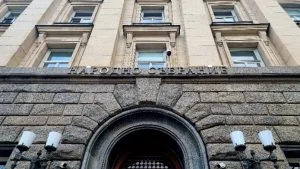
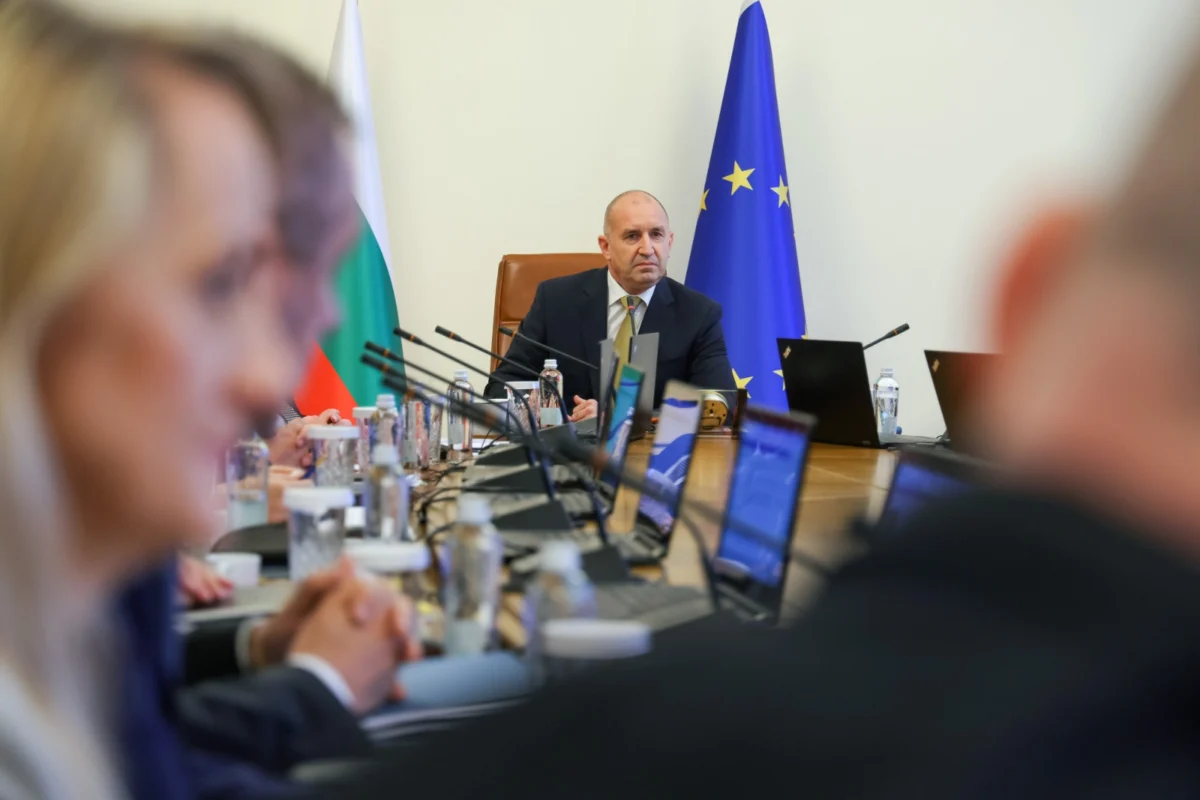
The deadline for compliance with these provisions expired on October 1 and the Banker weekly decided to examine whether and how they are observed. As incredible as it sounds, all sites of the institutions of the executive power already have a Section for „buyer’s profile“. Most indicative is the example of the National Assembly, which until recently has not been publishing any information even announcements about its procurement. The same applies to the Council of Ministers, whose site previously contained only tender notices.
The situation in state-owned companies also has changed. Companies such as Maritsa East Mines, Maritsa East Thermal Power Plant and Bulgartransgas whose costs have always been a hot topic at last have raised the curtain and now one could see how they allocate their cash flow.
Undoubtedly, changes in the Public Procurement Act have worried mostly the private companies which, due to their specific position in the market, are also required to conduct public auctions. Most of them have cleverly been hiding the total volume of data for services received and supplies and there was no power to force them to do otherwise. Today, for example, the water supplying company in the capital city Sofijska Voda offers to the public the documentation for orders of 4 September. Before that date, everything was apocryphal. Such a step, yet on September 30, was taken by the electricity distribution company EVN. CEZ also created a „buyer’s profile“, but it is still completely empty, even though the company is among the most active clients. In the third electricity distribution company Energo-Pro, things are exactly the opposite. At its site there is information about orders only until June 30 (editor’s note – before the changes in the Public Procurement Act took effect), and afterwards – there is nothing.
One cannot help but note that the mentioned institutions, state companies and private operators may have in fact provided special sections for procurement, but never published any papers required by law. In the best case, along with preliminary notices, documentation of participation in the decisions about their opening and public invitations, what is also uploaded are the messages for opening of technical and price bids or minutes of meetings of the evaluation committee. Contracts with the additional agreements, contracts and subcontracts annexes are still a mirage. There are also no dates of releasing the guarantees paid by candidates or the grounds for and the amount of each payment. Aa rule, all documents must be uploaded at the buyer’s profile in the first working day after their dispatch to the Public Procurement Agency. Contracts, additional agreements and documents relating to the performance are published 30 days after the occurrence of the event.
Even more ridiculous is that there are still companies that as required by the Public Procurement Act not only lack the mentioned „buyer’s profile“ but who do not even have their own websites. These are, say, the frequently mentioned lately American TPPs, AES Maritza East 1 and ContourGlobal Maritsa East. For them, apparently maintaining secrecy about their costs is more important than the rule of law. Of course there are many schools, hospitals and community centres that are not present in the online network, but with their modest budgets, this is understandable.
The BANKER