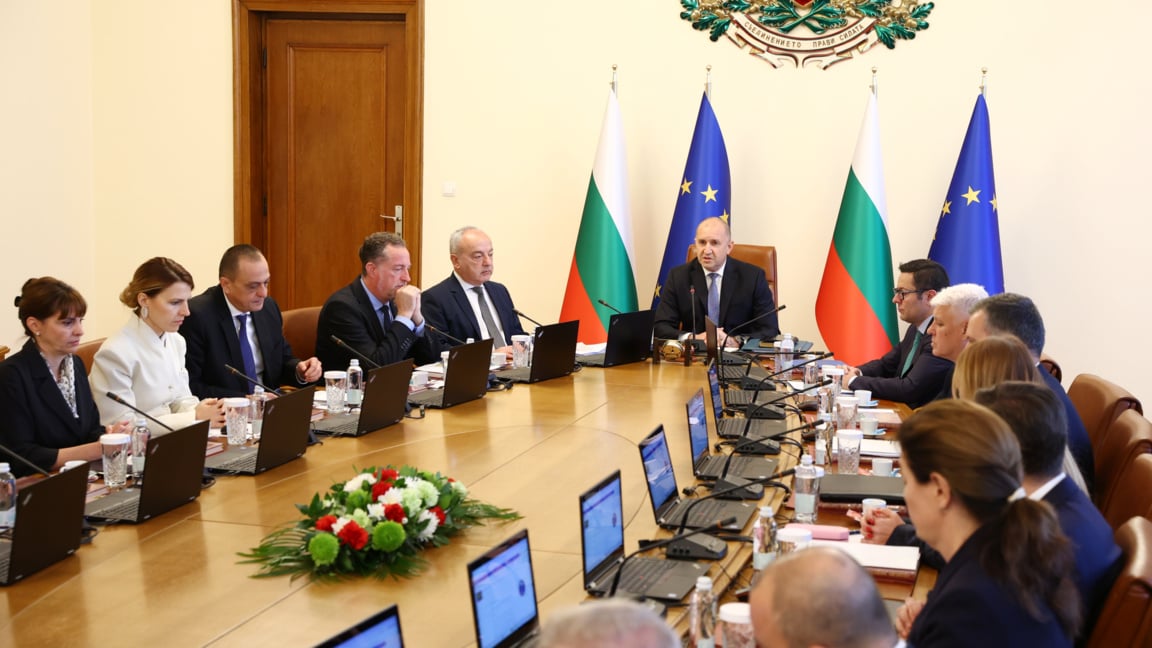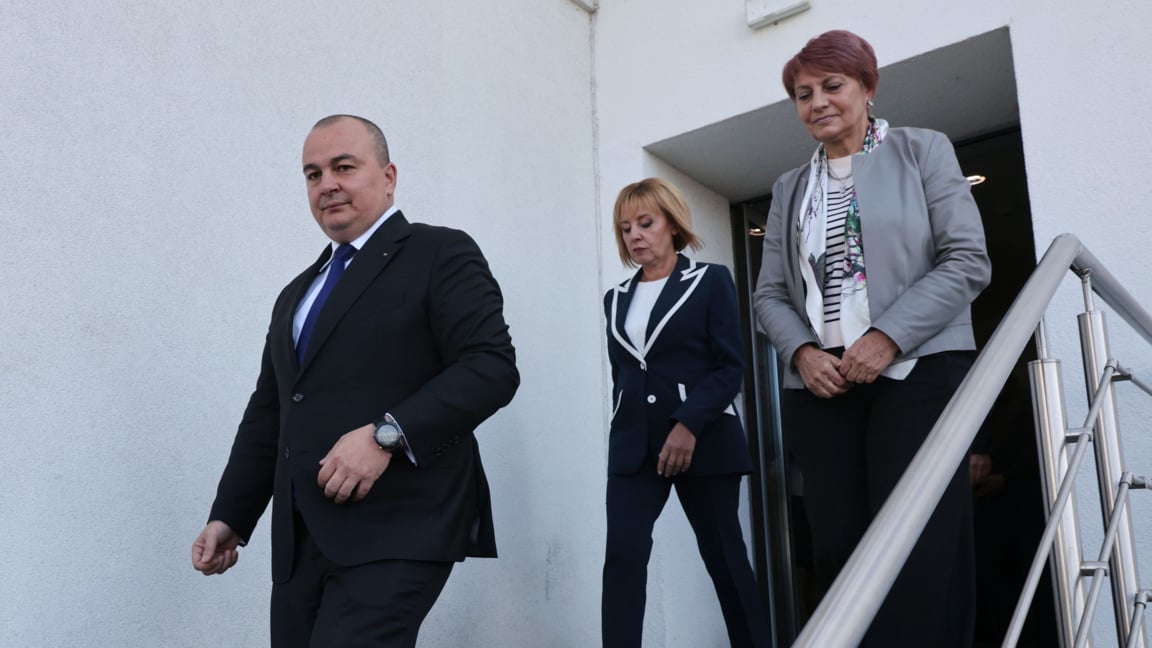
The government and a growing number of the expert community are forming a kind of dispute in absentia for Budget 2021 after it was presented by the Ministry of Finance a few days ago.
The main parameters of the financial framework envisage that the treasury be in deficit in 2023 as well. The government fixed a budget deficit of BGN 5.2 billion for 2020 and a further BGN 4.9 billion for 2021, i.e. a total of over BGN 10 billion for two years. The deficit-to-GDP ratio is 4.4 percent and 3.9 percent, respectively, and it is not until 2023 that the deficit is expected to decrease to 1.8 percent of GDP.
It is also alarming that GERB's government is planning a significant increase in government debt. The project states that by the end of 2020 the debt will reach BGN 28 billion (23.5% of GDP) after the government placed Eurobonds on international markets in September for BGN 5 billion. A cap on new debt of up to BGN 4.5 billion is proposed for next year. By 2023, however, government debt is expected to rise to BGN 38.9 billion.
A debt trap
With the proposed Budget 2021, we are entering a debt trap, according to economist Prof. Dimitar Ivanov. The expert’s opinion is that this is not an anti-pandemic budget, but an election budget.
"The next government will have to fill a minimum of BGN 16.6 billion in 2-3 years. BGN 10 billion will be the budget deficit due to the distribution of social gifts, the expenditure for the pension system will increase by 1.1 in the long run and in 2022 and 2023 there will be two large maturities of Eurobonds – BGN 2.4 and 2.2 billion," Prof. Dimitar Ivanov said.
According to Kaloyan Staykov of the Institute for Market Economics, there is a number of surprising costs that are not related to the crisis from this year, nor to the recovery, which is expected in the next one. They relate to the government's policy so far, which aims at increasing income and social payments, as well as investment in infrastructure. Staykov believes that the 2021 Budget is conservative rather than realistic.
Fully pre-election
The 2021 budget is an electoral budget and is designed to win as many votes as possible, says former Finance Minister Simeon Diankov.
"I hope that spending will head towards policies that help the economy grow. At the moment it is focused on which votes can be won", said Simeon Diankov.
According to the financier and member of the Fiscal Council Lyubomir Datzov, the draft budget suggests that someone spend some huge amounts of money from our taxes and to make debts pay them back in future for things that are either controversial or contrary to sound logic. It described the measures against COVID-19, enshrined as budget policies, as “hotchpotch” and was adamant that "big spending and wasting money" would have an unclear effect.
Government counter reaction
"Conclusions for the medium-term budget forecast have been drawn hastily. It was developed in an unprecedented situation. The budget has clearly defined priorities, mainly aimed at measures to overcome the consequences of the crisis. I call it an anti-pandemic budget, as it has more than BGN 3 billion on measures to combat coronavirus… We have solved structural issues, the budget is balanced between COVID measures and the need for reforms in individual systems", the Finance Minister Kiril Ananiev claims and stresses that there is no populism and election promises within the framework.
Social Minister Denitsa Sacheva also rejects the expert criticisms. According to her, a significant part of the measures in the 2021 budget – i.e. raising the minimum wage and the minimum pension –were already enshrined in the management program and now cannot be linked to the coming election year.
"It is an untenable hypothesis that we are setting a trap for the next governments. We deal with the crisis and people's problems, that’s why we did not resign because we have to solve specific and real problems. The real problems are these – people need additional income, "Sacheva said.