New public indebtedness, timid growth and shrinking deficit await Bulgaria in 2015, this is provided by the draft budget for 2015, published on Tuesday, November 25, on the website of the Ministry of Finance.
However, there is little cause for joy. Both the Government and Parliament are preparing to pay more attention to the businesses next year as next year’s budget envisages new debt of 8.1 billion levs, shrinking the deficit to 3 percent, and raising the retirement age by 4 months with a small "Swiss" gesture to the elderly, without changes to the minimum wage, social security contributions and excise duties.
With the new debt Bulgaria will become "more Europe like". Bulgaria will no longer have symbolic levels of indebtedness, but a maximum increase in government debt at the end of the year to 24.5 billion levs or almost 30 percent of GDP, while the allowed threshold by the Maastricht criteria has been set to 60 percent. The irony of this is that larger debt is more suitable for stronger economies because they can repay it more reliably. For a small country like Bulgaria, which is rated just one step above the investment rating, the big debt may scare investors. The state budget envisages reducing the cost of public sector wages by 10 percent to be able to make the indexation of pensions from 1 July by 1.9 percent according to the Swiss rule. Together with the draft budget the Cabinet published also the updated medium-term budget forecast for 2015-2017, according to which economic growth will be 0.8 in 2015.
Then what is expected is gradual recovery of the economy and economic growth of 1.5 percent in 2016 and 2.3 percent in 2017, thanks mainly to domestic demand.
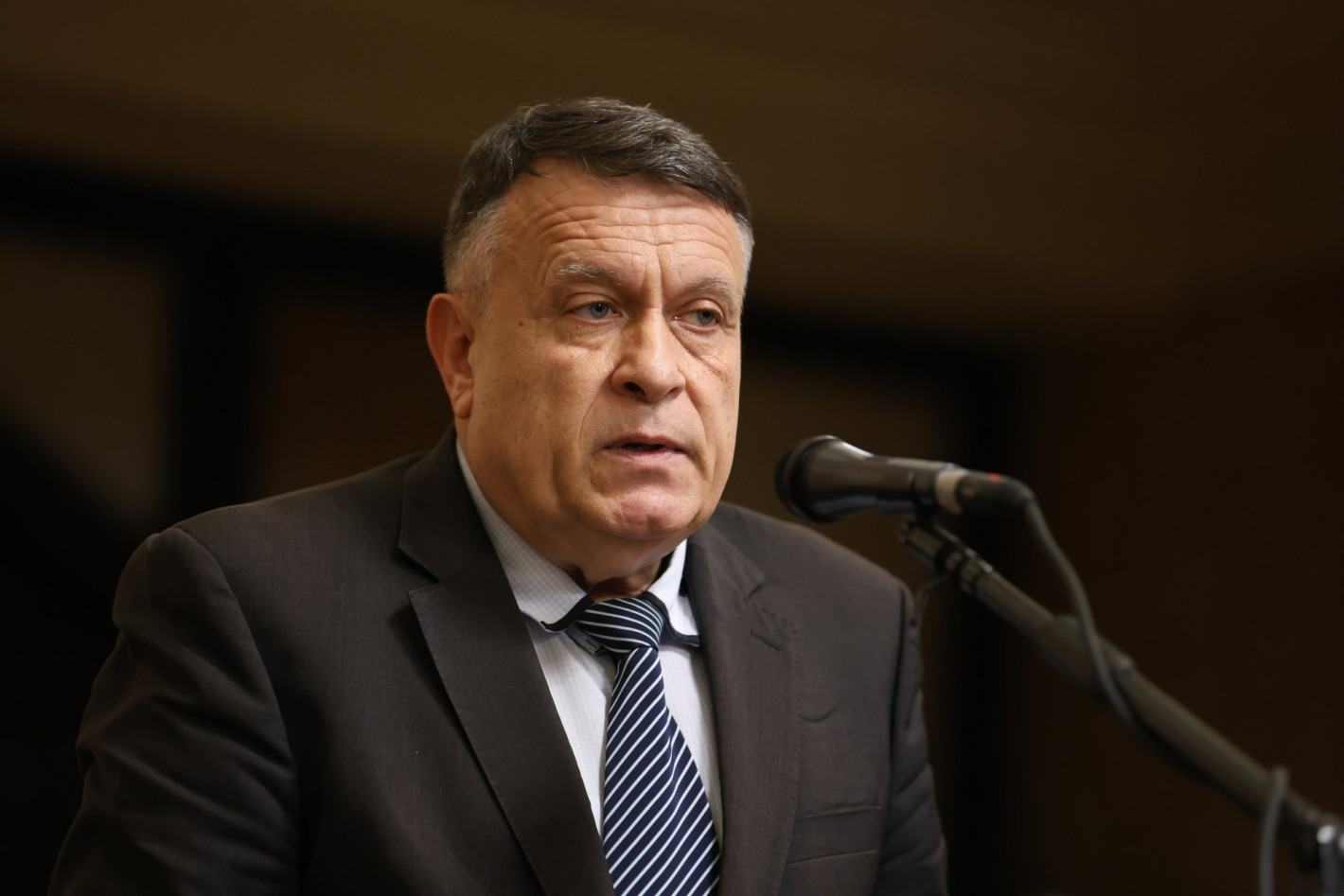
Although Finance Minister Vladislav Goranov warned that a shrinking of the deficit by more than 0.5 percent annually is difficult to achieve as the world practice shows, the draft proposal sees it falling from 3.7 percent to below 3 percent. Reducing the deficit will become possible from the revenue from the increased maximum insurable income, as well as from the increase of taxes on interests on deposits by 6 percent next year to 10 percent, plus the hiking of insurance contributions for farmers, and the repeal of the tax relief on income not exceeding 12 minimum monthly salaries.
"The Reformist touch" in the budget for next year is limited to a shrinking of 400 million levs of the costs of administration, including salaries and social security contributions in the budget sector by 10 percent, the effect of which is estimated at over 300 million levs in savings.
The government plans to tighten controls on health care costs and from the reducing the cost of health insurance payments it aims to save more than 80 million levs.
The Cabinet repealed and the public investment programme launched by the Government of Plamen Oresharski, to finance projects of ministries and municipalities.
The framework of Budget 2015 has been prepared on the basis of conservative estimates of the main macroeconomic indicators, and on a realistic assessment of both revenue and restrictive planning costs, the Finance Ministry said. Tax and social security policy will be oriented towards supporting economic growth, improving the business environment and reducing tax evasion as well as increasing fiscal sustainability in the long term. Policies in the budget with respect to municipalities are aimed at expanding opportunities for their sustainable and balanced development. Continued actions will be taken to tackle the accumulated internal imbalances between regions.