
MPs rejected the proposal of GERB to increase the interest on deposits tax rate from 8 to 10 percent. MPs from all other parliamentary groups voted "against" lifting of the tax. The decision was rejected a few days ago also in the budget committee.
GERB said that once people receive income from interest on deposits, then it is only right for them to pay taxes on their income. Socialists countered that this was an antisocial measure.
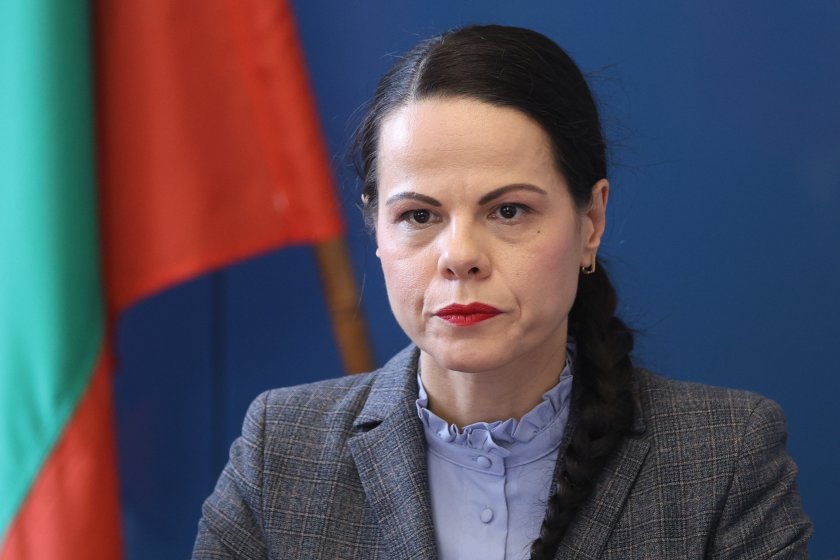
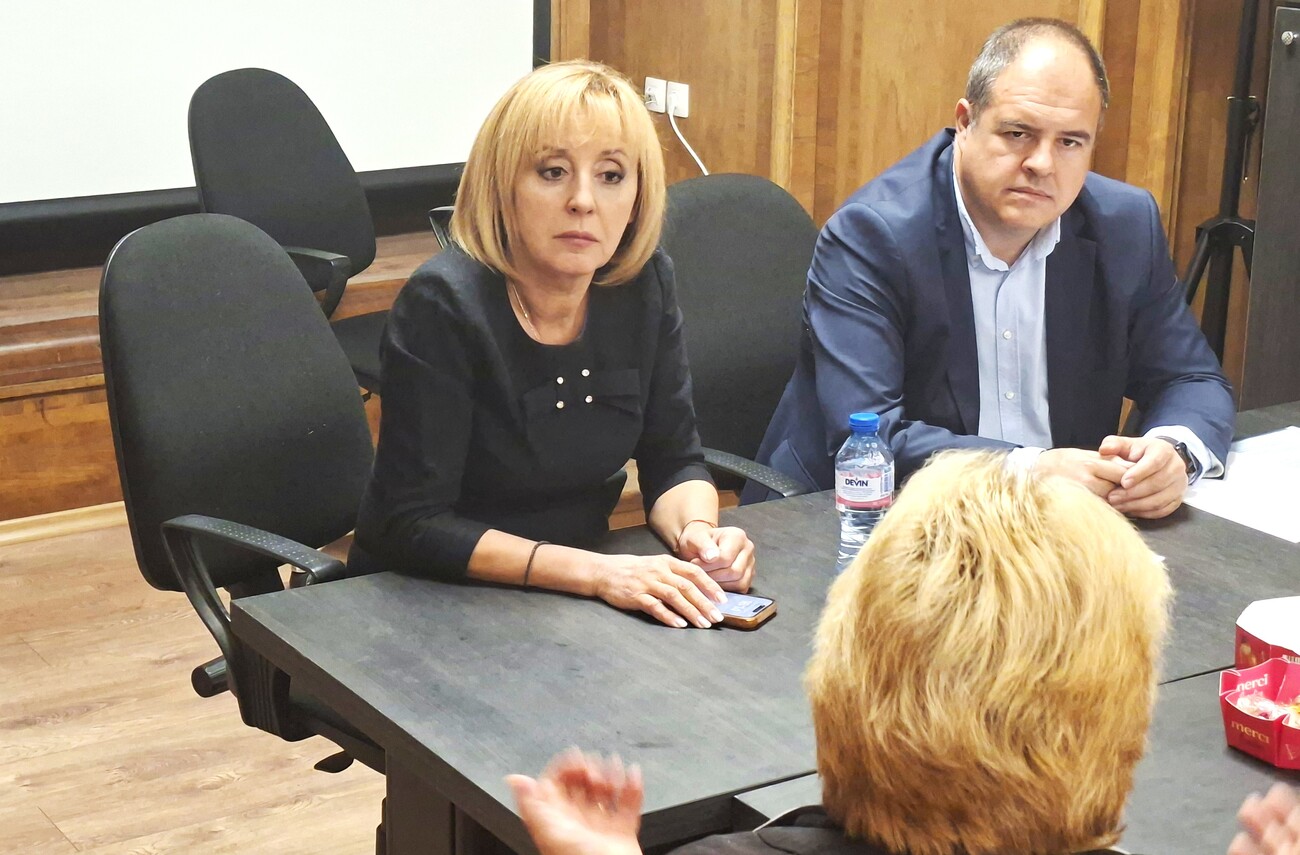
"Income from interests is just as all other income – this from employment, from non-labour relationships, rental, additional work, just everything," said the chairman of the Budget Committee Menda Stoyanova from GERB. She sees no reason why these benefits, which are like any other, and can be called "passive income", should be exempted from taxation and why they are also not subject like any other ones to the taxation of 10%. "You say that this is money on which people have previously paid taxes. Yes, when you pay your taxes from your salary and buy from your savings real estate or car and let them for example, receiving rental income, you still pay taxes on the rent you receive. The same should be when you put your money in a bank and receive income from them," said Mrs. Stoyanova and urged her colleagues to think in economic terms. "The poor do not have deposits in banks and not through these taxes one can make social policy," she added.
Georgi Kadiev of the socialist BSP asked why not tax the income from trading on the stock exchange and interest income on bonds. "There are a whole lot of income that is not taxed at the moment," said Kadiev.
Ultimately, the tax rate on interests will remain 8% next year.
Once having rejected the idea of GERB to increase the tax on interest on deposits, lawmakers adopted another proposal – this time made by their colleagues of the Reformist Bloc. The changes will expand the tax base, i.e. they will reduce the opportunities for tax avoidance.
As of 2015 there will be two tax breaks for families with children. The first preference provides that one of the parents in a family with children can reduce their taxable tax base by 200 levs for one child, by 400 levs for two and by 600 levs for three or more children.
Another preference, which was first granted, provides that one of the parents of a child with disabilities may deduct from their annual taxable income 2000 levs.
Tax preferences for children may be used simply by filing a tax return, MPs decided.
It is expected that the overall effect on the budget of the two preferences to be about 25 million levs.