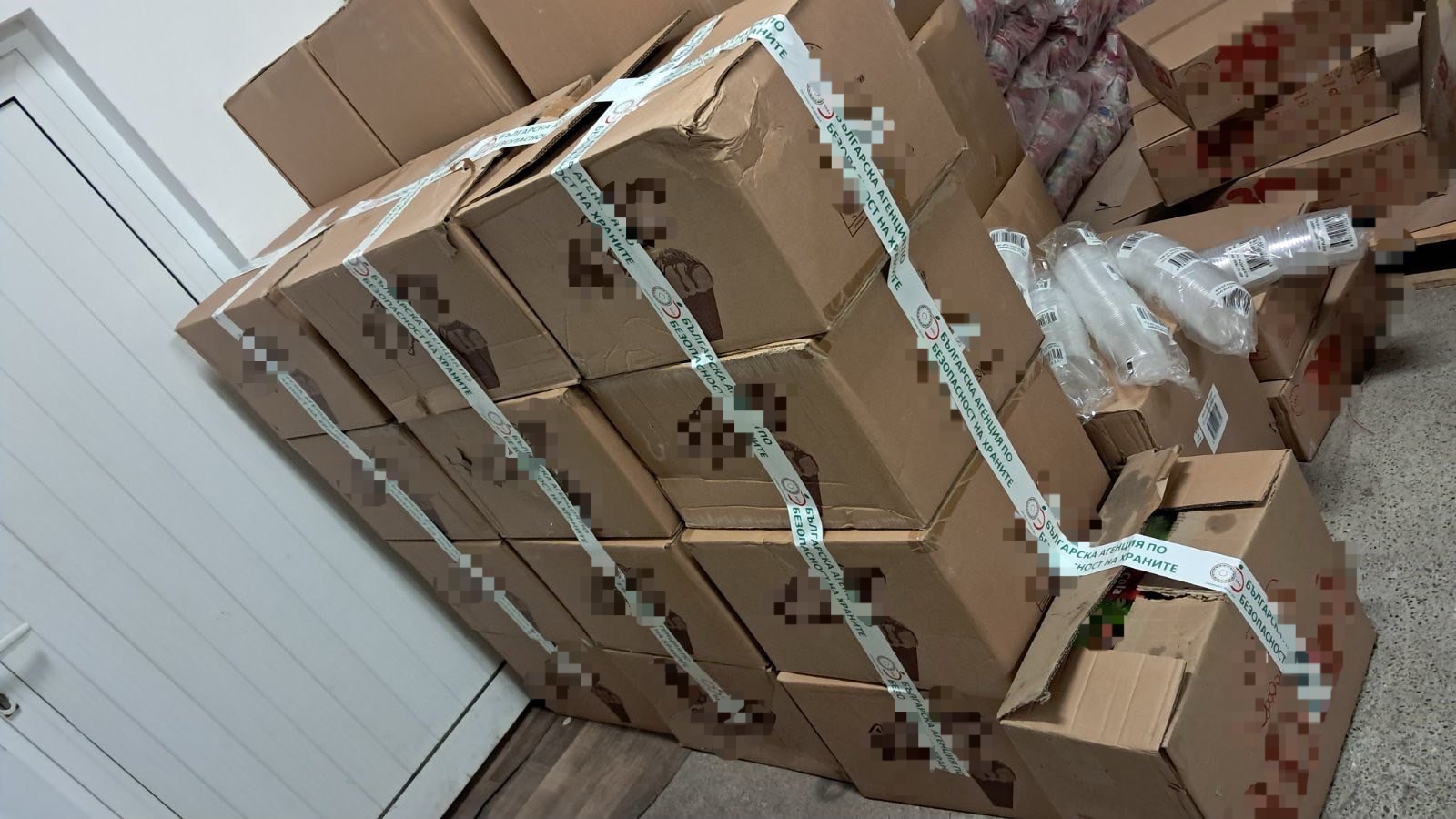
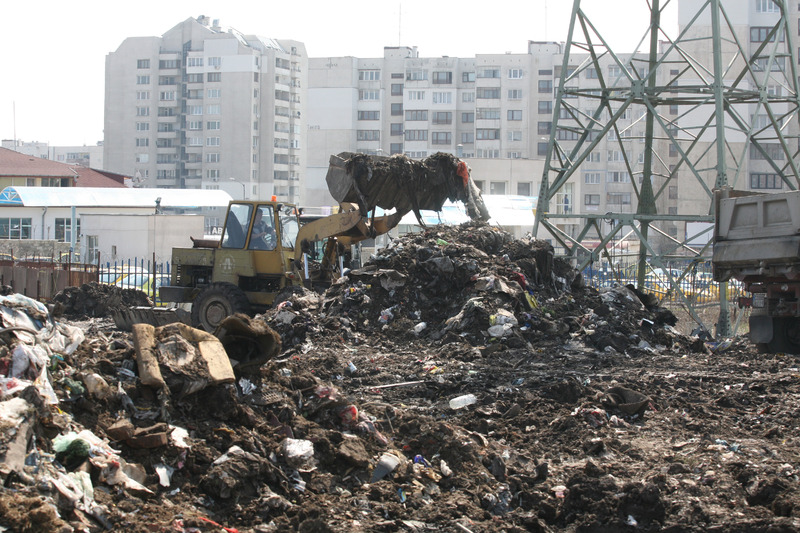
Integrated treatment system for household waste in Sofia is like a mirage – it appears to exist but often disappears from the horizon. Just two months ago top officials from the capital city assured us that some around the waste plant there are no problems and everything is running according to the plan. Now it appears that the project is almost a failure and that seven years after the municipality said it would deal with the garbage crisis by building a facility for processing, we’re back to the starting position. Even more annoying is that it could lose tens of millions of euros in grants from Brussels.
The reason for the gloomy forecast is the statement of the Deputy Mayor for Environmental Policy, Maria Boyadzhijska who said that the City Hall will announce a new competition for the company to build the plant, even though last summer for this purpose the German-Bulgarian consortium Huth-Stanilov was selected. This is because of a change in the technical parameters of the projects carried out by European experts, and the inclusion of Central Heating – Sofia in it to burn blocks of processed garbage. It is the technology for waste treatment which was in fact was the reason why the European Commission denied to give its consent for the construction of the facility. Brussels doubted its effectiveness compared to costs in the long term and wanted to prepare a thorough analysis of whether the residue from the processing of garbage is suitable for heating fuel in Sofia. And whether the whole system will meet the environmental requirements.
So ultimately, Huth-Stanilov will have to make do with the new situation, because it has not entered into a contract with the municipality and cannot claim compensation. The new procedure will be announced as early next year and in the optimistic case it can last between 10 and 12 months. Because of the delay, however, the risk seriously increases that Sofia may lose all of the money under the Environment Operational Programme which finances the construction of the plant. These are about BGN218 million, which will have to be given back if the plant does not start until the end of 2014. A likelihood of this happening is not small, considering that such a facility is usually built at least for two or three years. One should not forget about the appeals procedure, which can further delay the start of construction.
Currently the Ministry of Environment and Water are adamant that there is no room for concern, as the Municipality submitted realistic schedules, according to them. But is it really so? So far, Brussels has approved the award of only 100 million (Editor’s note: The whole project comes to BGN360 million),which should go to build installations for composting food waste, landfill and waste separation facilities. But they can not work without the factory.
The first sod of the new landfill was turned in mid-October. Its construction was entrusted to a union between Geotechmin and Italian Unieko which after a long legal saga won a contract with a bid of nearly BGN25.2 million. The candidate who offered the lowest price (BGN22 million) – Construction and Development Holding was declassed and appealed procedure. The Commission for Protection of Competition rejected the appeal. Then we were waiting for the opinion of the Supreme Administrative Court, which in September ruled in favour of Ithe talian-Bulgarian consortium.