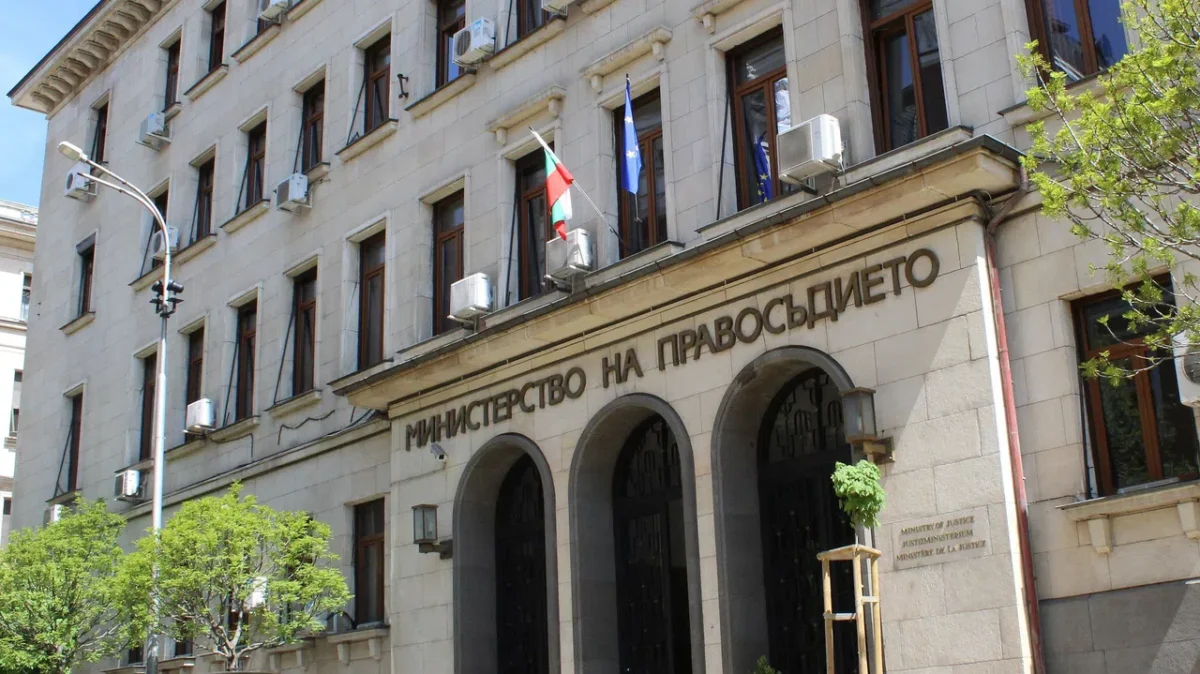

A total of BGN96 million will spend the Ministry of Education and Science on two new schemes designed to strengthen the fragile links between education and the country’s labour market. The project Students and student practices is until October 2014 when almost 126 thousand university students and high-school graduates will have made their first contact with the world of business. High school students will get a minimum of 240-hour internships in their chosen Bulgarian companies to become familiar with the work environment after graduation as well as become more competitive and find jobs more easily. They will be accompanied by a part-time teacher who will explain the activities and the work processes in individual enterprises.
Besides gaining new economic knowledge, students will gain real financial dividends and will take home BGN300 in the form of scholarships each. On the other hand over 73-thousand students will do practical work and will be able to compare it with what they have learned in university. For them, wages will be BGN2 per hour. Mentors from training companies will receive their salaries from the budget of the programme to be attracted to participate. Successful graduates will be awarded with diplomas for their new qualifications. One of the main objectives of the Students and student placement is part of participants to have the chance to be spotted and subsequently offered a permanent job in companies which that take part in the programme. Most of the BGN90 million for this project comes from the European Social Fund and the state will allocate BGN13.5 million.
Businesses will train students under the scheme Updating the curriculum in accordance with the requirements of the labour market. Its budget is BGN6 million, with these funds universities, employers’ organizations, heads of large companies and experts will update the curricula of colleges and universities in order to fit them to the actual demands for corporate staff. For each project, they will provide between BGN100 and 300 thousand and the ministry expects at least 20 universities to modernize their educational plans.