Rail transport in the country has long been troubled – the rolling stock is only worthy for museums, the rails prevent higher average speed of 30-40 km per hour, and the stations look like large public toilets. At the same time, Europe is clear that in the future it will support the development of the railways mainly at the expense of road transportation. The reasons for this are quite obvious – trains are cleaner, faster, and carry more cargo and passengers. But as always, the Government in Bulgaria thinks the other way around and bets on highways. In the face of the threat to have the country’s funding for the next programming period cut, however, local leaders seem to have started to grasp what it is all about.
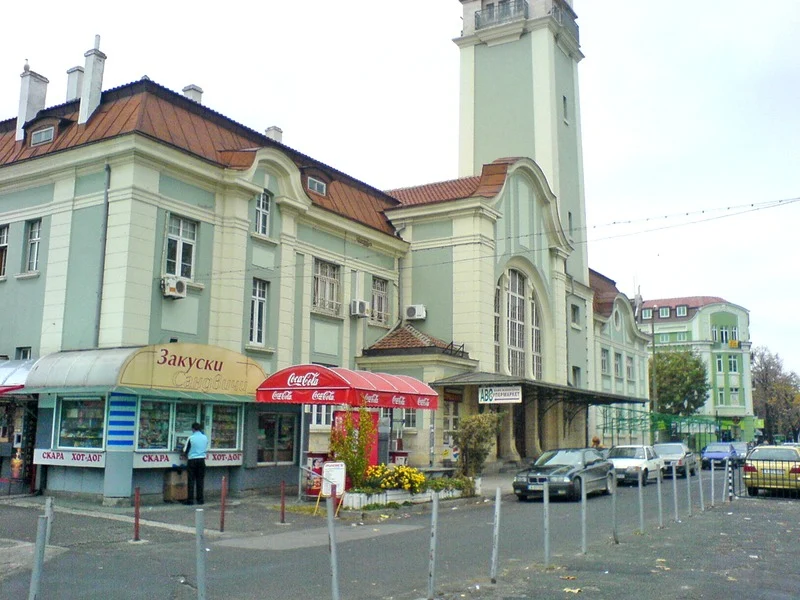
Next week is due the tender announced for the overall reconstruction of the railway station in Burgas. The documents were sent in the middle of November to Brussels for approval, as 75% of the 13 million levs come under the operational program Transport. The National Railway Infrastructure Company (NRIC) explained that the project was delayed because of coordination procedures with the Ministry of Culture and the local community. The reason is that and the station built in 1929 is a monument of culture. It is also part of the Super Burgas, which combines sea, bus and train stations and aims to open up the city to the sea by building a public access area.
Otherwise the facade of Burgas station will maintain its current appearance, but inside it will be completely renovated. The basic idea is the old building to be brought in line with modern requirements for energy efficiency.
However, it is unclear when these plans will become a reality.
In a much more advanced stage is the renovation Sofia Central Station. In several days’ time the bids of the companies are expected to be opened.
The BANKER