With about 300 fewer controls will make this year the National Audit Office. As presented at the January 15 briefing, its programme for 2013 includes a total of 510 audits, while in 2012 it made over 800. However, this in no way means that the key institutions will be pardoned. The list includes all government organizations in which inspections were conducted more than two years ago, or have never been checked, have very large uncollected receivables or payables, manage large financial resources or absorb substantial funds from the EU.
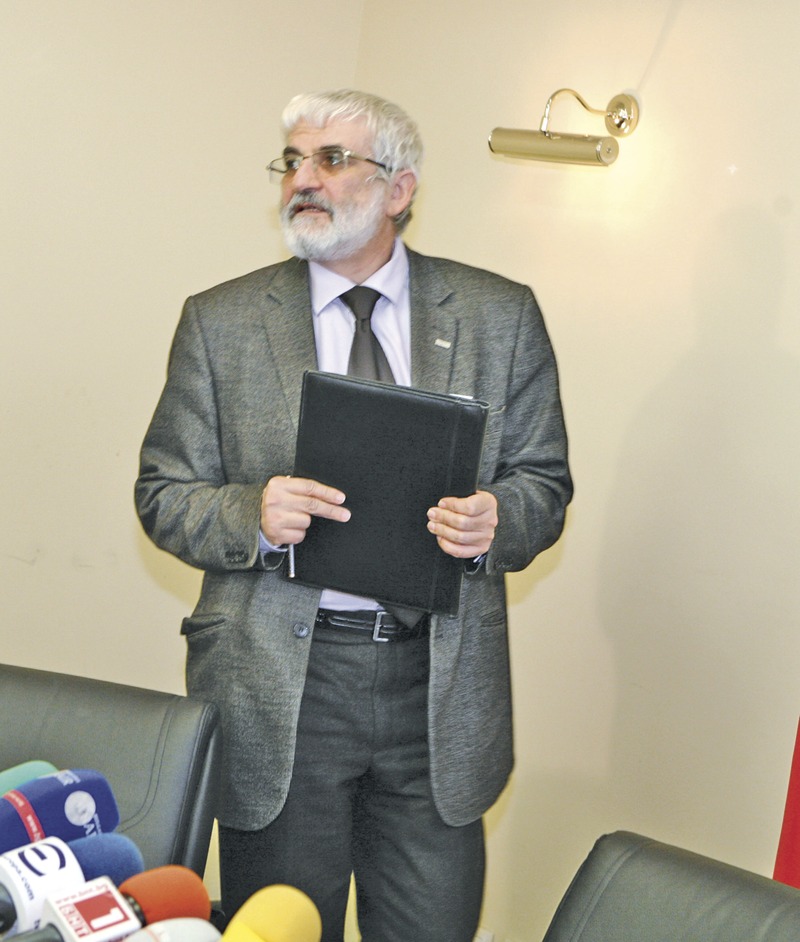
According to the President of the National Audit Office, Prof. Valeri Dimitrov, this year’s work of the auditors will be very intense, as one of the priority areas to check are the revenue collection rates of budget organizations, public procurement, management of state and municipal property, and universities.
For example, as far as the public procurement is concerned, the National Audit Office will check the Ministries of Finance, Regional Development and Public Works, as well as that of Culture. In 2012 under this sector audits experts found many scandalous failures of environmental and educational ministries, so now we can expect a lot of interesting facts. Even more interesting is to see what the Office will reveal in the contracts the Employment Agency and municipalities of Momchilgrad, Razlog, Yambol, Smolyan, Targovishte, Lovech and Vratsa, which are also included in the annual programme. Besides it will also audit the administration of local taxes and fees and targeted spending of these sums in the budgets of the municipalities of Plovdiv, Varna, Stara Zagora, Nessebar, Vidin, and Dupnitsa. Thematic audits for management and disposition of property will be made in the Metropolitan Municipality of Sofia, and in Asenovgrad. Checking the overall financial management of the mayors awaits Botevgrad, Svoge Madan, Simeonovgrad Kotel, Asenovgrad, Belene and others.
Inspection of finances will be made at some institutions that were overlooked in 2012. Among them are the Supreme Judicial Council, the Supreme Court, the National Assembly, the Executive Forestry Agency, State Reserve and Wartime Stocks …
On the eve of the parliamentary elections 18 political parties that receive state subsidy will be audited. The Court will examine how they manage their property and supervise their overall financial activity.
The National Audit Office has planned a number of special audits that will affect the expenses of the Bulgarian National Bank in 2012. It will also inspect the formation and management of the state, government and municipal debt. For the first time, it will audit and the mechanism for negotiating the hospital care, which absorbs almost 90% of the money of the National Health Insurance Fund. Besides it will check how the budget of NHIF is spent. The same await also the National Social Security Institute (NSSI). Audit will be carried out on the accounts of the National Grain Agency on the effectiveness of its control activities. Until now, this feature has never been checked.
Great expectations arise from the planned check of the financial management of state enterprise Radioactive Waste. From its establishment until now it has not been checked, and it has an annual budget of 28 million levs while manages assets for 80 million levs. It also receives funding from the International Kozloduy Fund totaling USD90 million.
The BANKER