Free market or government regulation of drug prices? The provisional Government of Marin Raykov solved the dilemma with one shot by approving amendments to the Ordinance on the conditions, rules and procedures for the regulation and registration of prices of pharmaceuticals. In other words, the registered now 2230 drug prices, sold in pharmacies without a prescription, can not be increased by the producers for more than the rate of inflation reported over the next year. The value of nearly 500 drugs which are sold by prescription, but not paid for by health insurance will be based on the prices in 12 countries and the lowest of them will apply to Bulgaria. Moreover, a requirement for the price of generic drugs to not exceed 80% of that of the originals has been introduced. The positive medication list of the health insurance fund, and the registers of the maximum allowed selling prices of medicines should now be updated twice a month.
This is the essence of the document, which de facto means a state war against (some) drug manufacturers. We expect that the new regime will lead to lower prices, said a member of the National Council on prices and reimbursement of medicines, associate professor Ilko Getov. However, the seemingly noble cause seems doomed to failure. As it happened with the previous timid attempts of the healthcare fund to make manufacturers offer discounts on their products, which led to withdrawal of 200 drugs from the market. It is not certain that from now on, patients will pay less for aspirin, vitamins or cough syrup when they go to the pharmacies. What is more likely is a threat of a serious financial penalty from the European Union because of the violation of the rules of free market competition.
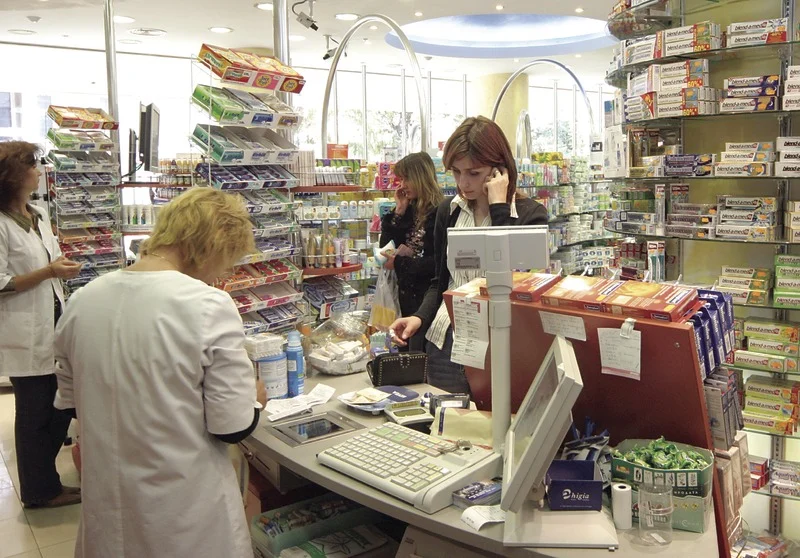
Essentially the caretaker government could not freeze the prices of non-prescription medication, because this requires changes to the Law on Medicinal Products for Human Use. Plan B was therefore used with the adjustment of the and ordinance. The EU countries only regulate drug prices paid by public funds, but the government has crossed this boundary and most likely we will pay for it. The fact is that the state now intervenes in one of the most competitive markets. The question is whether it is because of the social impact, as the official Health Minister Professor Nikolai Petrov said or whether the result would be anti-social? Painkillers, anti-virus and flu medicines, vitamins, ointments and others are available in hundreds of varieties by many producers who are forced by the laws of competition to offer lower prices and there are constant promotions to increase their turnovers. In most cases, the owners of the commercial rights sell the drugs to distributors and pharmacies under the price caps which have been registered. Despite numerous attempts, cartel agreements have not been proved. The situation is similar at pharmacies. Recently, they were even forced, again through an ordinance to reduce margins by 2 percentage points. After the freezing of the prices, the producers can easily give up their discounts and offer their products at the price ceilings.
The other possible scenario is part of the foreign companies to withdraw products
from Bulgarian market. They already complain that our market is small and they are losing from illegal re-export. For them, the less painful option is to get away from Bulgaria. Which in turn suggests that the biggest beneficiaries of this move will prove out to be Bulgarian manufacturers. But that does not mean that they will keep costs low. We still remember the scandal with the products of Sopharma which sells cheaper in Serbia and Turkey than in its home country.