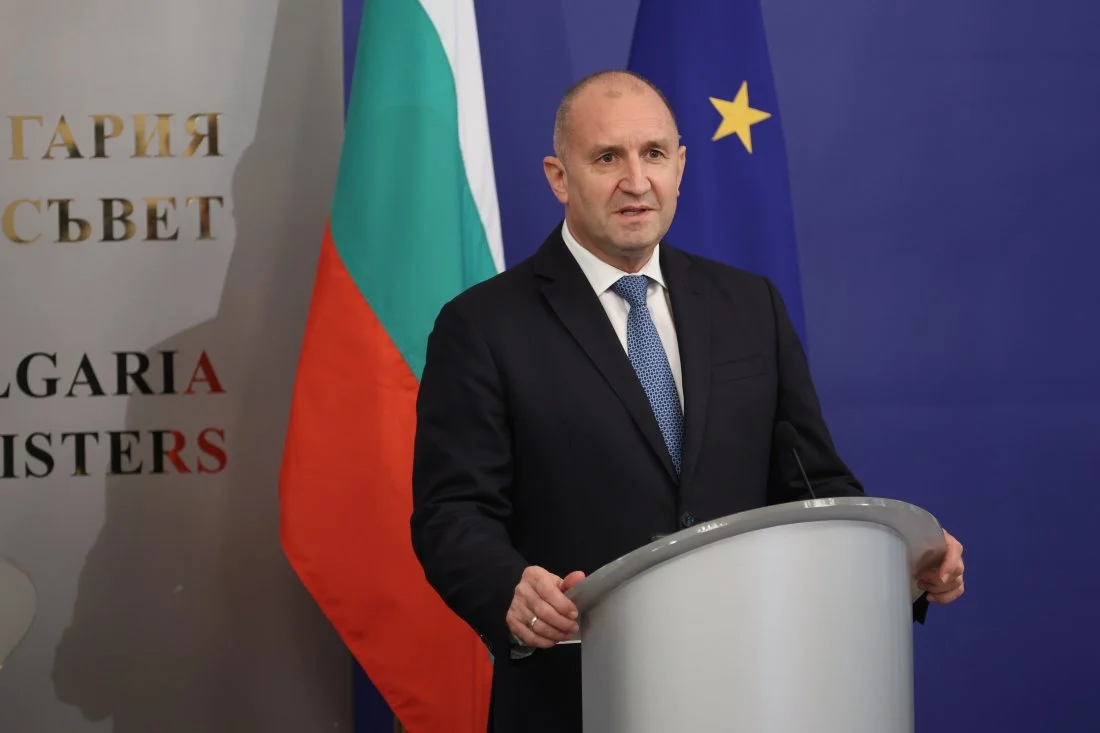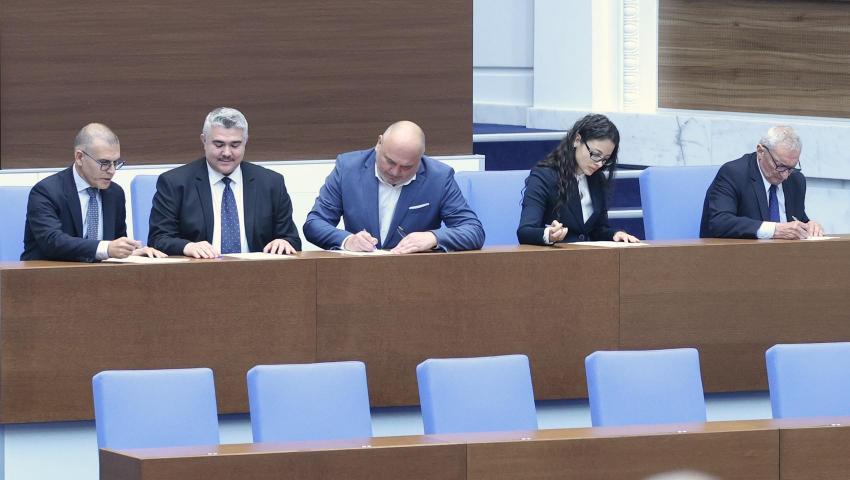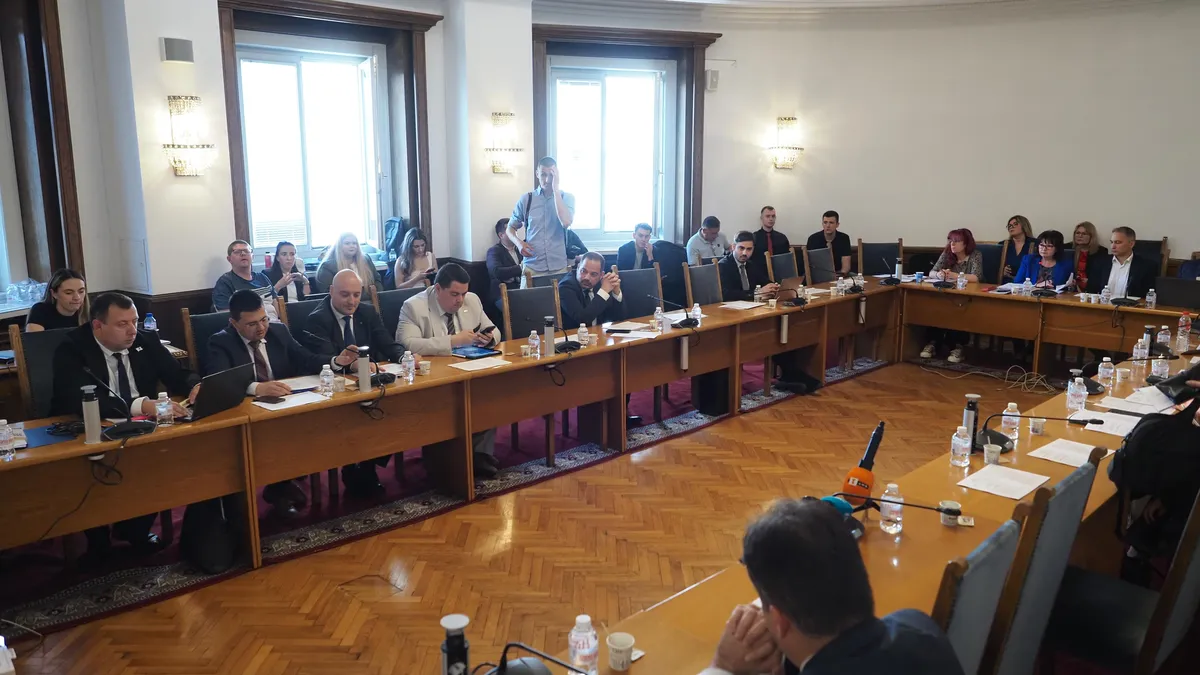
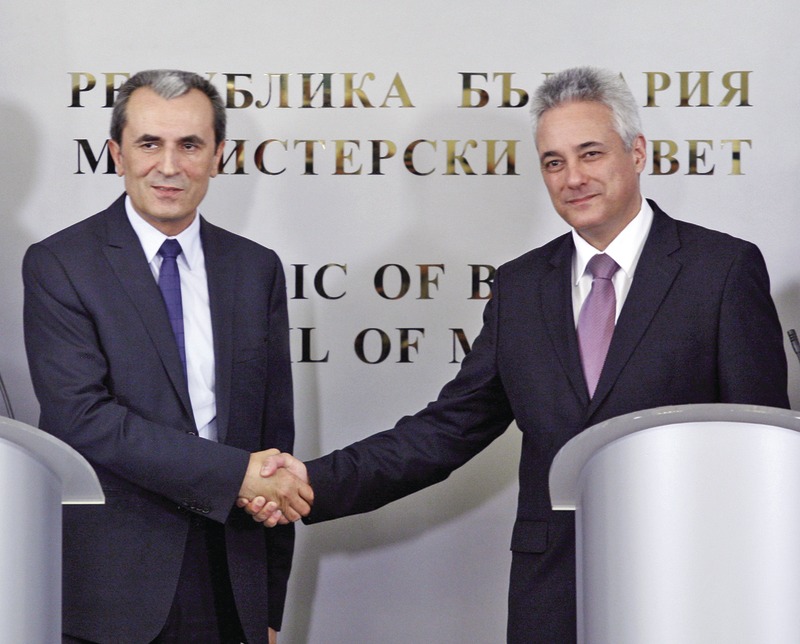
A multi-coloured political-expert cabinet which gives indications of continuity in all political directions. This is the government Oresharsky that MPs elected on May 29, with 119 votes for and 98 – against. The Plenary session passed it because of the vote of Volen Siderov, who personally granted the quorum for the session. If all the 23 MPs of his nationalist Ataka party did not register, the Government would not have passed.
A call for support
The new government is trying to throw bridges also to parties and individuals who do not stand behind Premier Oresharsky. Firstly, they are in direction to previously ruling and now the biggest parliamentary represented party of GERB with the Minister of Transport Daniel Papazov who in 2011 almost become a candidate for mayor of the city of Varna from GERB. Head of the Interior Ministry Tsvetlin Iovchev, a former chief of staff of the President and the special services bureau is also seen as close to the previous government. A curtsey to former President Parvanov was made with the inclusion of his favourite Dragomir Stoynev as Minister of Economy and Energy. Culture Minister Petar Stojanovic, former chief of staff of Nadezhda Neynski and leader of the Gergeovden party is even a nod to the rightist voters. Deputy Prime Minister and Minister of Justice Zinaida Zlatanova was considered close to Meglena Kuneva, as well as the wife of the leader of socialists Stinishev, Monica. Besides a desire for more support, the model of the cabinet Oresharsky shows that Ataka party is not perceived as sufficiently stable and predictable as partner.
If the day of the election of the government is a litmus test for the state of parliamentarism in the 42nd National Assembly, it is very difficult to believe that it will improve. Therefore, the relief that Bulgaria now has now overcome the trap of political instability may be quite illusory. The reason is that the behaviour of the four parties was quite obscene – something that puts the debate on the expert skills of the prime minister and ministers to the background.
The entertainment programme of the Parliament
Boyko Borisov show how unusual opposition GERB will be: He is probably thinking whether to go or not with the flow and support the socialist and the third largest Movement for rights and freedoms. Shortly after his resignation in February, he in serious suggested to the two parties to support them to make up an independent government in previous Parliament.
The clashes between Tsvetan Tsvetanov and Delian Peevski are about to top the charts even beating the most spectacular parliamentary show of Volen Siderov. Notorious MP investigator and businessman whose media just a few months ago were praising the qualities of GERB party now continues his attacks on the former interior minister from the previous week. On Thursday, the parliamentary group of ex-premier Borissov even issued a statement against Peevski and found a link between Tsvetanov’s problems with the prosecution and the conflict between the two MPs.
Voluntary and involuntary support
Volen Siderov did not vote against Oresharsky’s cabinet, only against the composition of the cabinet. Without his help the minimum quorum in the parliament of 121 registered MPs could not have been reached. According to the leader of Ataka if he did not provide a quorum, the session of the parliament would have not taken place and GERB allegedly wanted this to circumvent the protection over doctors and teachers. In his speeches he raised the qualifications for foreign diplomats from red-cheeked uncles, as they were called last week to representatives of countries which are our partners. However most of the ambassadors slipped out long before the government was selected.
Once it became clear that there is a quorum, the ethnic Turk -supported Movement for rights and freedoms and Ataka reopened the theatre conflict with each other and began to fight. Both parties finally found their way to each other, commented for the BANKER former Culture Minister Rashidov. This time it is clearly visible how ATAKA and MRF are using their confrontation to harden and strengthen their own electorates – something they did so often over the years.
The BANKER
nbsp;
Composition of the Cabinet
Prime Minister – Plamen Oresharski
Minister of Justice and Deputy Prime Minister – Zinaida Zlatanova
Finance Minister – Peter Tchobanov
Minister of Economy and Energy – Dragomir Stoynev
Transport Minister – Daniel Papazoff
Minister of Agriculture – Dimitar Grekov
Culture Minister – Peter Stojanovic
Minister of Health – Tanya Andreeva
Minister of Defense – Angel Naydenov
Minister of Foreign Affairs – Vigenin
Minister of Ecology – Iskra Mihailova
Minister for Sports – Mariana Georgieva
Minister of Education and Science – AneliyaKlisarova
Minister of Labour and Social Policy – Ademov
Minister of Investment Design – Ivan Dimov
Minister of Regional Development – Desislava Terzieva