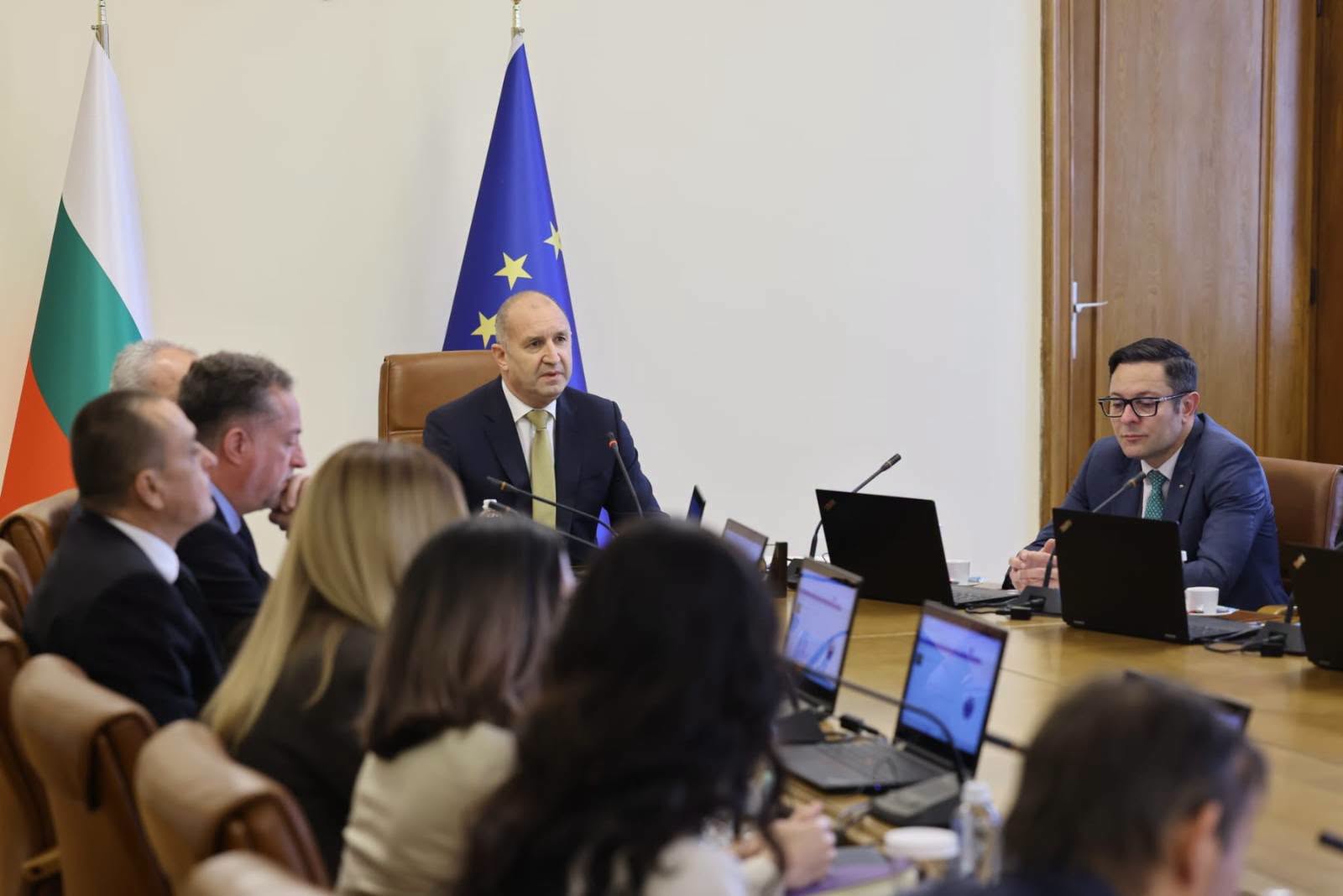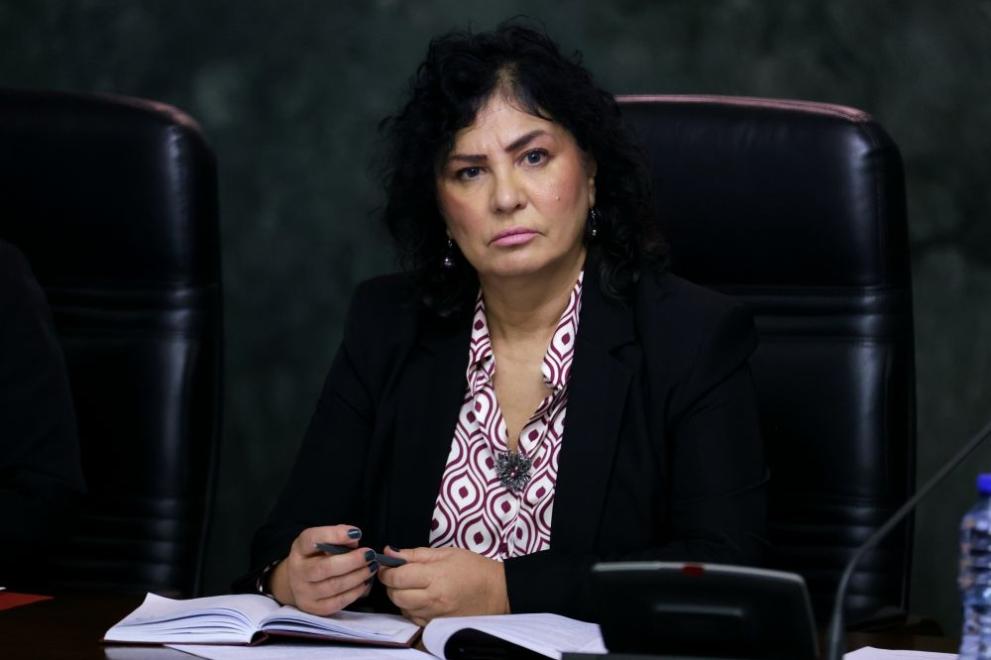
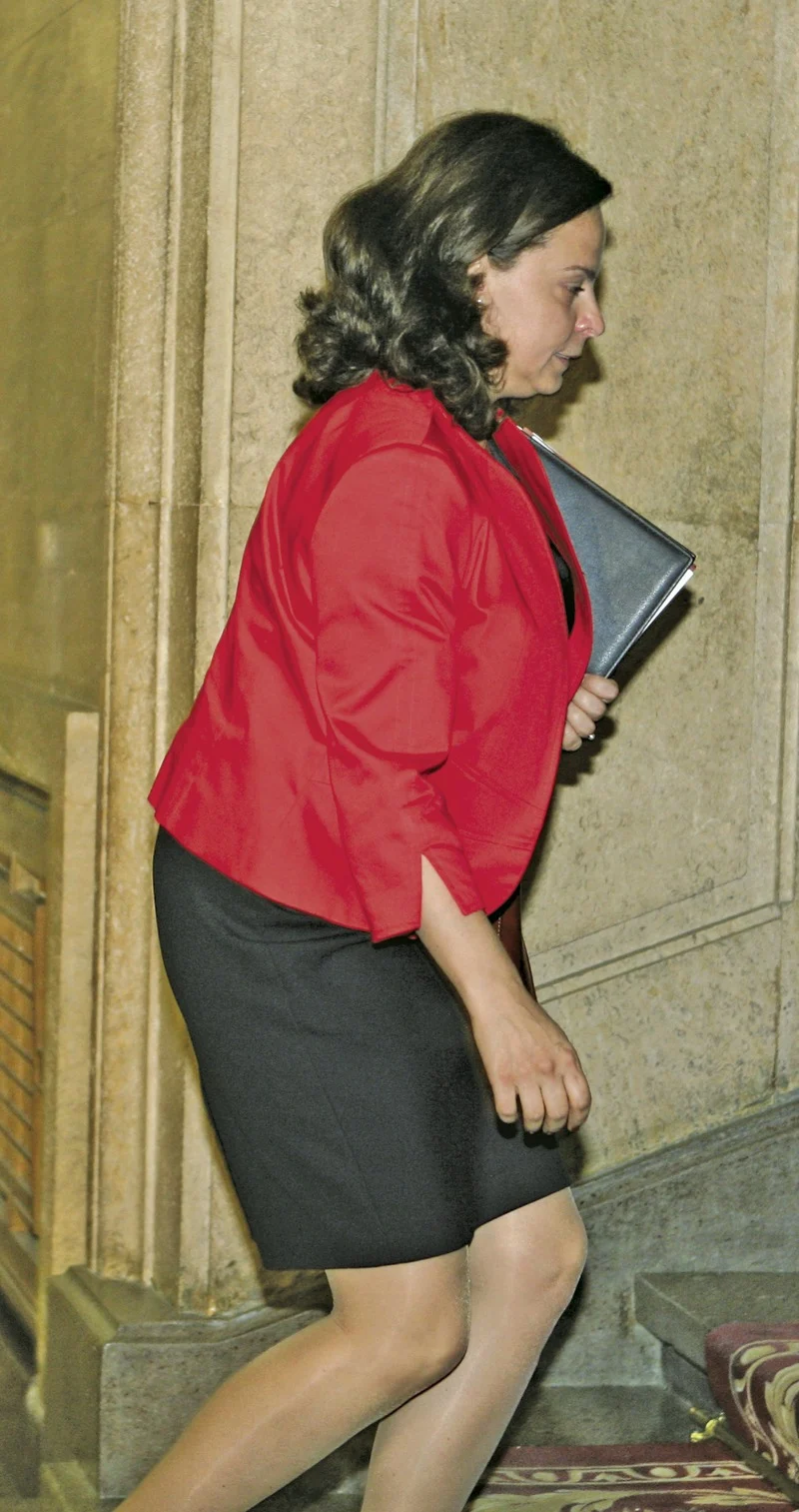
Experts from the healthcare ministry drew a draft National Health Strategy (2014-2020) for only two months, which is a record short period. But apparently the team of Minister Tanya Andreeva were tired of tones of reports and statistics and have gone on summer vacation while offering for public comment a draft with huge potential, but obviously missing on a huge range of sectoral policies. The strategy has two very strong points that were lacking in its predecessors, but has many gaps in terms of its practical realization and the urgent reform of the healthcare system.
A positive aspect of the strategy is the financial plan that in its pessimistic and optimistic scenario forecasts the proportion of gross domestic product that will be spent on healthcare annually by 2020. Resources are planned on two levels – national funding and money from the operational programmes of the EU, which will be allocated to support some of the planned measures. For example, in 2020 Bulgaria is set to spend 10.29 billion levs for healthcare (4.85%) of GDP, 1.35 billion levs of which is the sum earmarked for hospitals, while 1.02 billion levs will go for children’s homes, homes for the elderly, psychiatry and for people with disabilities. E-Health services will count on 150 million levs. All the identified 12 key healthcare policies are bearing numbers for each year based on forecasts for the economy of the country and Europe.
As Deputy Minister Boyko Penkov said, for the first time a financial framework accompanies this type of a strategy document. Maybe that’s why the debate within the Public Council directed comments mainly to the amount of funds planned. According to most representatives of NGOs 4.85% of GDP is insufficient to achieve the targets, such as reducing child mortality by 20%, especially since the plan is for several years the sum set aside for this purpose as a percentage of GDP to decline.
It became clear that the Treasury has not yet approved the forecast for 2014 and its 8.32 billion levs on health, so there is a real danger the proposal not to be accepted. On this occasion, the Vice-President of the Bulgarian Medical Association Dr. Yulian Yordanov said that Bulgaria has a high morbidity, while mortality is also high and the country is in a period of demographic decline. So it will need more than the planned 4.6-4.8% of GDP and should not rely heavily on EU funding. President of the National Patient Organization Dr. Stanimir Hasardzhiev even added that in European countries, investment in health is on average at about 8% of GDP and Sofia needs to get closer to that level. Leader of the team that prepared the strategy, Petko Salchev, pointed out that the numbers in the strategy are estimates and based on a calculation of the experts who wrote it.
Another quality of the document is its analytical part. In it the text discusses in detail causes of health problems of the nation. The document is based on current data on the population from 2012 for the birth and death rates, for causes of disease and the spreading to European countries, as it is with many other important indicators. In 2012 registered HIV-positive people were 1630, but 2,040,666 people had been hospitalized and 172,555 Bulgarians were with a permanent disability.
The BANKER