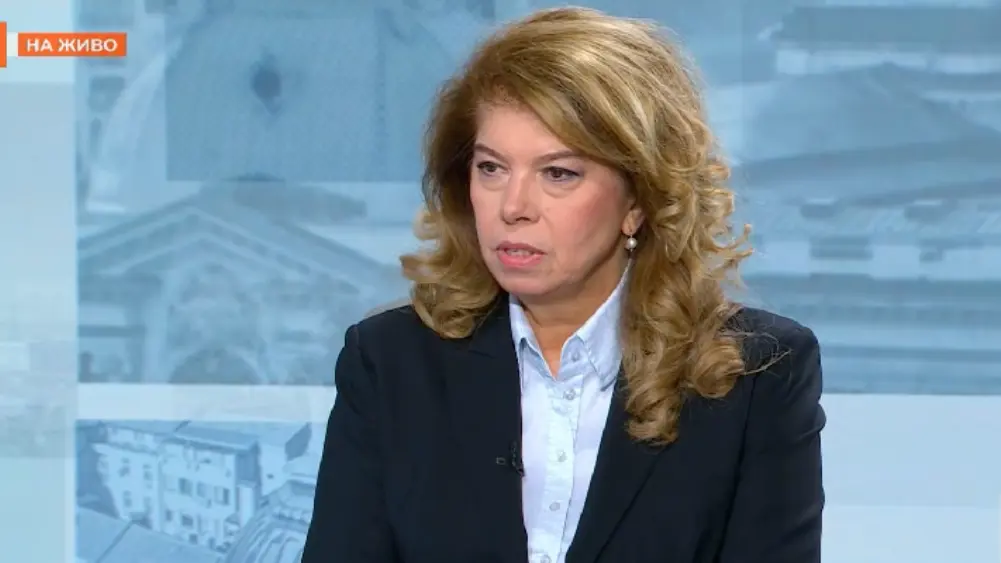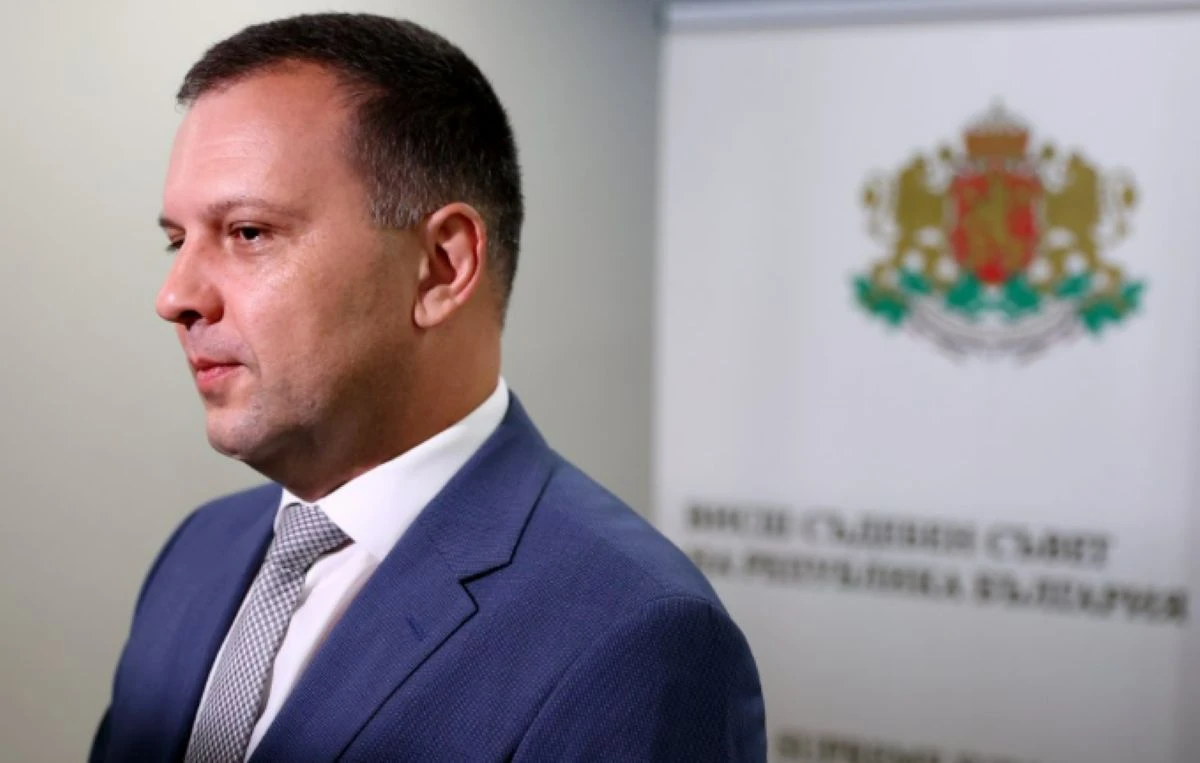
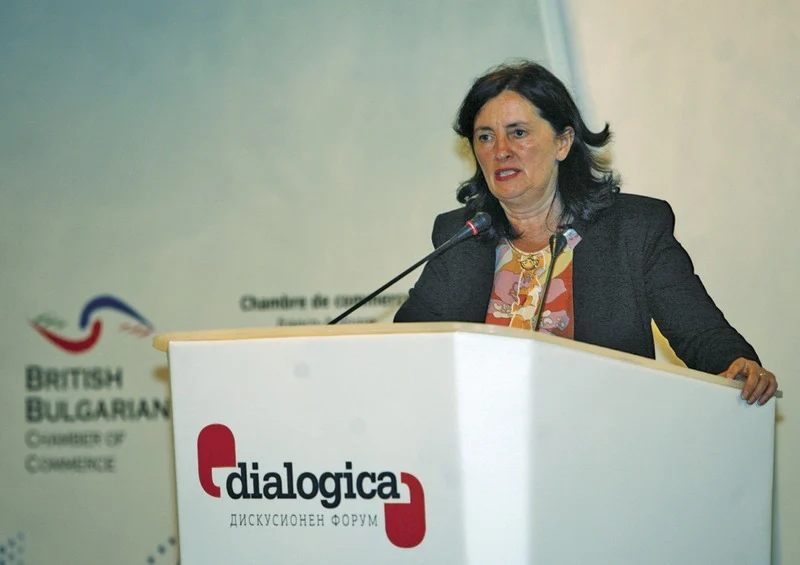
Bulgarian economy survived and even managed to grow in spite of everything that happens in the world. Only within this year the country changed three governments, went through numerous strikes, protests and hostile external environment. With these words, Deputy PM Daniela Bobeva opened the forum Dialogue for the economic development of Bulgaria: Investment Priorities and Perspectives, held last week in Sofia. Indeed, given all of these adverse events the business situation in the country could have been much worse, and the country is now expected to finish 2013 with a growth, albeit small. The problem curbing a more significant economic development actually lies elsewhere: there are no actual reforms. According to Bobeva everybody would agree and want some changes but when the time comes for them to actually be implemented all players withdraw and quit. Reforms may be painful, but their delay leads to bigger troubles.
One of the things the current cabinet boasts with – the reducing of the administrative burden did not happen the way people wanted. It is no longer any secret that Bulgaria is at one of the top places in the world in terms of overregulation of entrepreneurship and any measures the Government may take fail to help the country get away from the unenviable position. The reason is that the state administration is not willing to give up their control mechanisms for exerting pressure on companies. According to Deputy PM Bobeva all institutions showed resistance to her proposals to reduce regulatory regimes. Everybody is trying to defend and justify the fees and other burden being imposed on businesses, she said. Nevertheless, changes are already prepared in more than 30 laws that next week should be approved by the Council of Ministers. Within two months there will be further adjustments in the regulatory framework by which to reflect the recently adopted measures of the second package to reduce the administrative burden. By the end of the year the state will view and try to simplify another 100 regulatory regimes, especially in the construction sector.
Another key reform that did not go according to the plan is the public procurement. This time, however, the obstacle were not the clerks but MPs themselves. While the team of Daniela Bobeva offered many good changes in legislation (as expected by society), MPs from all parties strongly opposed the new texts and quickly gave up on their promises. What will be the outcome of this situation will become clear at the end of November, when the bill amending the Law on Public Procurement will be voted on second reading. Until then, one can ponder the statistics report that one third of public auctions in Bulgaria had only one candidate. In another one third of the procedures, the number of participants may have been bigger, but to the final round again was allowed only one company.
That Bulgarian economy survives in spite of all and everything is seen from the collapse in foreign investment. To attract further investment Bulgarian state spent tens of millions from the operational programmes and also from its own budget, but the effect was zero. As Bobeva said, all ads and videos in recent years made absolutely no difference because they were chaotic and unattractive. Now our image is not good. Soon we will move to a more targeted approach with a guaranteed state commitment. We need to target non-EU countries, she pointed put. But how is this going to happen, asks former deputy PM Lydia Shouleva since the budget evnisages no money for the guaranteeing of public commitment to investors? For example, she gave the Law on Investment Promotion and its requirement priority investment projects for over 100 million levs to be supported by the state with 10% of their value. It is obvious that without these funds otherwise good ideas will fail. And as it turns out, the only solution to this problem is a removal of the quoted text of the law. We have a beautiful law, which, however, tells lies to investors. We have never given the promised incentives. It should be clear that we will not be able to give them now either. We will write down in the law only what we can afford, replied Minister Bobeva . This leaves a big question – what will Bulgaria use to attract foreign capital when it removes the incentives it cannot afford? Only because of the its glorious history, no one will come to Bulgaria. Meanwhile, Macedonia and Serbia are much more aggressive than Sofia, and successfully catch the big fish. There the aid to investors, except that it includes the provision of land and infrastructure also cover the salaries of all newly hired individuals for a period of one year.
The concessions in Bulgaria are also lame and all natural goods and transport equipment of Bulgaria brings in its budget only 100 million levs a year. The income set for 2014 comes to 110 million levs. The idea of the government is to change the control system for contracts, so that the proceeds to the Treasury may increase significantly. Radical changes will take place in the Ministry of Finance and the National Revenue Agency, said Deputy Prime Minister for Economic Affairs after a question why the state does not collect the overdue payments that are now over 1 billion levs. According to Daniela Bobeva the government initially tried a milder approach but the businesses did not respond to that and then the Cabinet switched to stricter checks.
So far the only reason for joy in the economy can be spotted in the exports sector, which continues to show growth in all categories. The elimination of duties for goods exported to Ukraine and Moldova is pending, which will give further impetus to trade with those countries. The Bulgarian Development Bank now offers pre-export financing for small and medium enterprises. A very weak link remain the commercial attaches who are afraid to help companies not to be accused of corruption or ties to the dubbed oligarchy. To help businesses is what their job is. In this respect I want help from all of them to solve the problem, said Bobeva.
The BANKER