If the tax authorities from the Fiscal Control Department catch, for example, a truck with a difference between the declared and the actually available quantity or type of goods declared, they will be in position to impose precautionary measures in the form of an advance tax. The offender will be required to block 30% of the actual value of the goods through a bank guarantee or a deposit in a special account of the National Revenue Agency (NRA). Only then will the offender be allowed to sell the goods or unload them. „The 30% in collateral is actually 20% VAT and 10% corporate tax,“ Lyudmila Petkova, Deputy Minister of Finance, told the BANKER weekly. This way we will impose our sanctions when finding an offence to the regime for goods with high fiscal risk. If the perpetrator is able to quickly organize the guarantee, he/she will release the goods without serious consequences.“
Petkova was asked whether this would not be detrimental to the merchants of goods with high fiscal risk, such as fruits and vegetables, for example, which in winter can freeze and in summer may turn into a jam until the bank issues the guarantee. „We are not bothered by this. An offender should be ready to face the consequences,“ Petkova said.
These explanations Mrs. Petkova gave on the occasion of the newly prepared Ordinance for Fiscal Control of the Ministry of Finance. Exclusively for the BANKER weekly she shared more details of the content of the document. Already legally formed are
the five stages of control.
First, this is stopping any vehicle with carrying capacity exceeding 3 tonnes, which moves across the country for which there is evidence it transports goods with high fiscal risk. These are trucks (cargo vans are not so big), said deputy FinMin. Tax authorities of Fiscal Control Departments will have reflective vests and badges plus special stop batons.
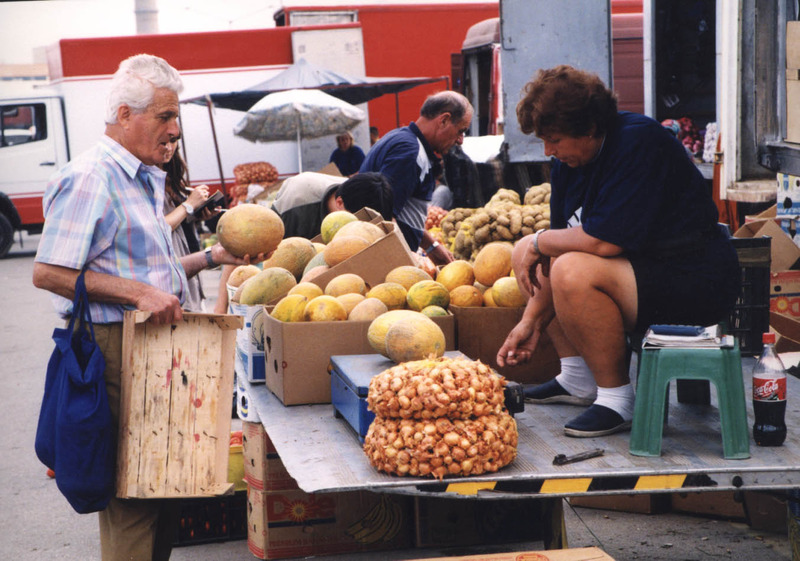
The second step is determining whether goods transported are with high fiscal risk. This, as we have noted, are meat, fruits, grains, vegetables and other consumer goods. If the goods are not of this type, the check ends.
If, however, the estanlishes a „dangerous“ type of goods then the authorities move to the third stage – verification of supporting documents – for type, quantity, destination and place of unloading of the goods.
Then a seal or sticker of the tax authorities is placed.
In the last stage – the arrival of the truck at the destination, the ending cycle of control activities comes. There relevant authorities are waiting for the truck, then they remove the seal or the sticker, check the product again and issue a protocol of compliance. The link between mobile tax authorities, usually at the internal borders of Bulgaria with neighboring Member States – Greece, Romania and the teams who check the unloading is continuous, Petkova said. In fact, the whole process is registered on paper but the final reports come in an electronic registry.
Exactly which supplies are under control?
Petkova explained that there are four types of transactions subject to this type of control. This is intra-EU carriage of goods, such as between Greece and Bulgaria, intra-EU supplies such as from Bulgaria to Greece, transit through Bulgaria such as delivery from Greece to Romania and supplies within the country such as from Plovdiv to Burgas.
The BANKER