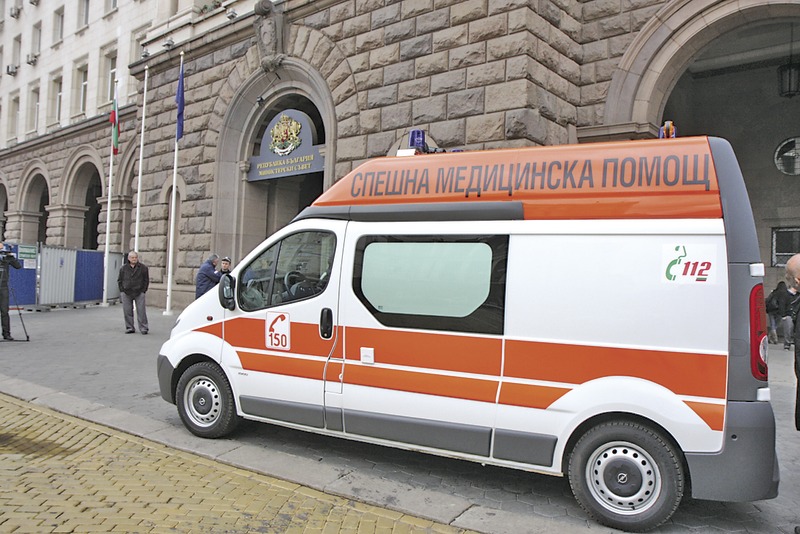
Ambulances of the emergency medical aid in Bulgaria rush to find patients with mildly high blood pressure and fight toothaches, while nine-month babies suffocate and their parents wait for five hours for a response. This is a small but very revealing picture of the tragic landscape of Bulgaria’s emergency aid sector.
Guilty of the critical state of one of the most important sectors of the healthcare are all people. „Patients“ abuse with all sorts of unreasonable calls for temperature of 37.1 degrees, hallucinations and some of them even fight with the medics. Dispatchers who handle the calls to the national 112 number do not have the training necessary to assess which cases are urgent and often send ambulances for „wild goose chase“ while someone really needs help. Doctors and nurses working in ambulances are disillusioned and demotivated by the miserable wages, low social prestige and numerous hazards of their jobs. Emergency units in hospitals work at „different speeds“. Some, such as Pirogov in Sofia are excessively overloaded, as there call the worst cases with multiple complications and diagnoses, while others accept only slightly sick people to heal under much better paid clinical pathways.
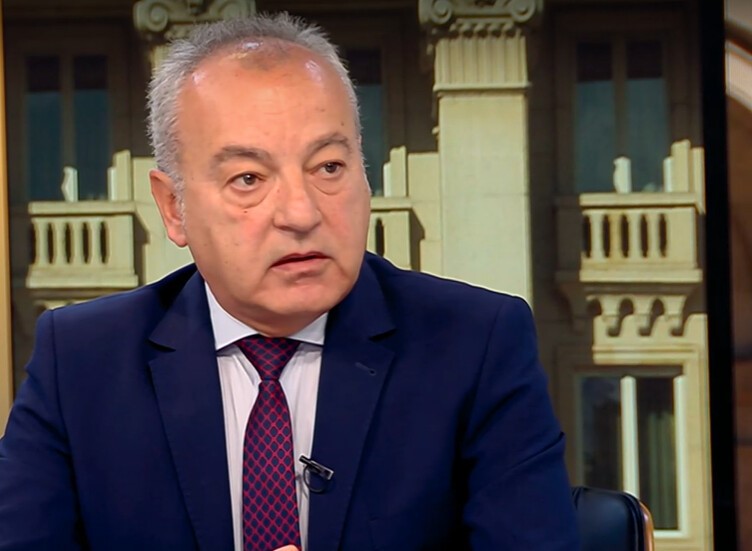
Healthcare Minister Tanya Andreeva said that changes in emergency services have already begun. Most radical, however, will be the emergence of 11 national medical emergency complexes called „small Pirogovs“ and radically different model of organization and financing. Dr. Maxim Gaidev, director of Medical Services to the healthcare ministry and a former ambulance doctor revealed that future emergency centers will be subsidized by the state, and will not depend only on the financial condition of hospitals in which they are located, nor on the proceeds from the health insurance fund. First, they will revive the immediate medical aid wards in emergency centres that seven years ago were merged with the regional hospitals. According to Dr. Gaidev there is a huge gap in the system since the 27 emergency departments in regional hospitals continued to function well, while the other 160 municipal hospitals have lost their legal status. Thanks to this legal misunderstanding they have continued to work, but at a loss. In other words, emergency centres will be removed from the structure of the hospitals-companies and will be taken over by the state.
The current model now, if a healthcare establishment gets in trouble with its debt, the first unit to be burdened in the centre are the emergency rooms. On the other hand, the consequences are less workload there, lower quality and effectiveness of the assistance provided. In the future, the state will supply financing to centers whose hospitals are among the poorest. The treatment of non-insured people will probably be covered by the budget of the healthcare department. However Minister Andreeva pointed out that free medical care to the uninsured people will be given only in conditions that endanger life. „There will be a clear regulation so that hospitals may not feel worried when they refuse diagnostics,“ she explained.
The BANKER