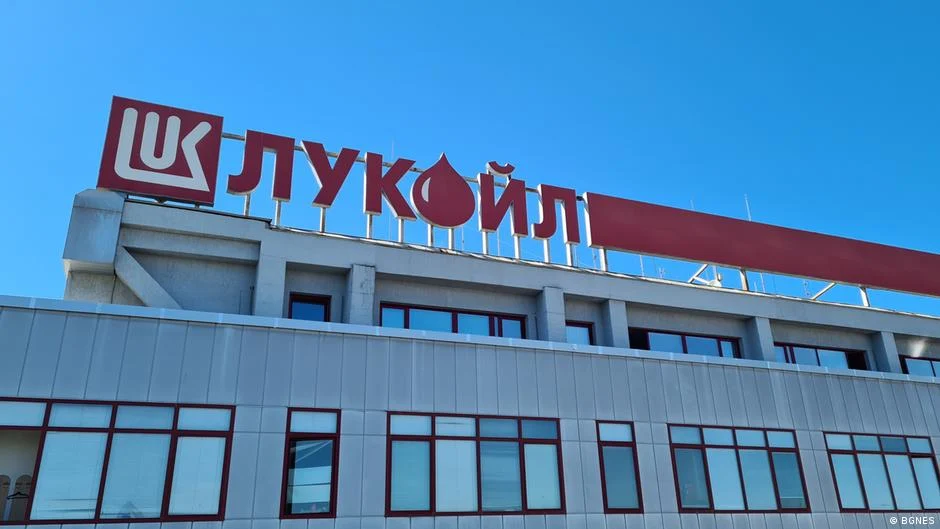
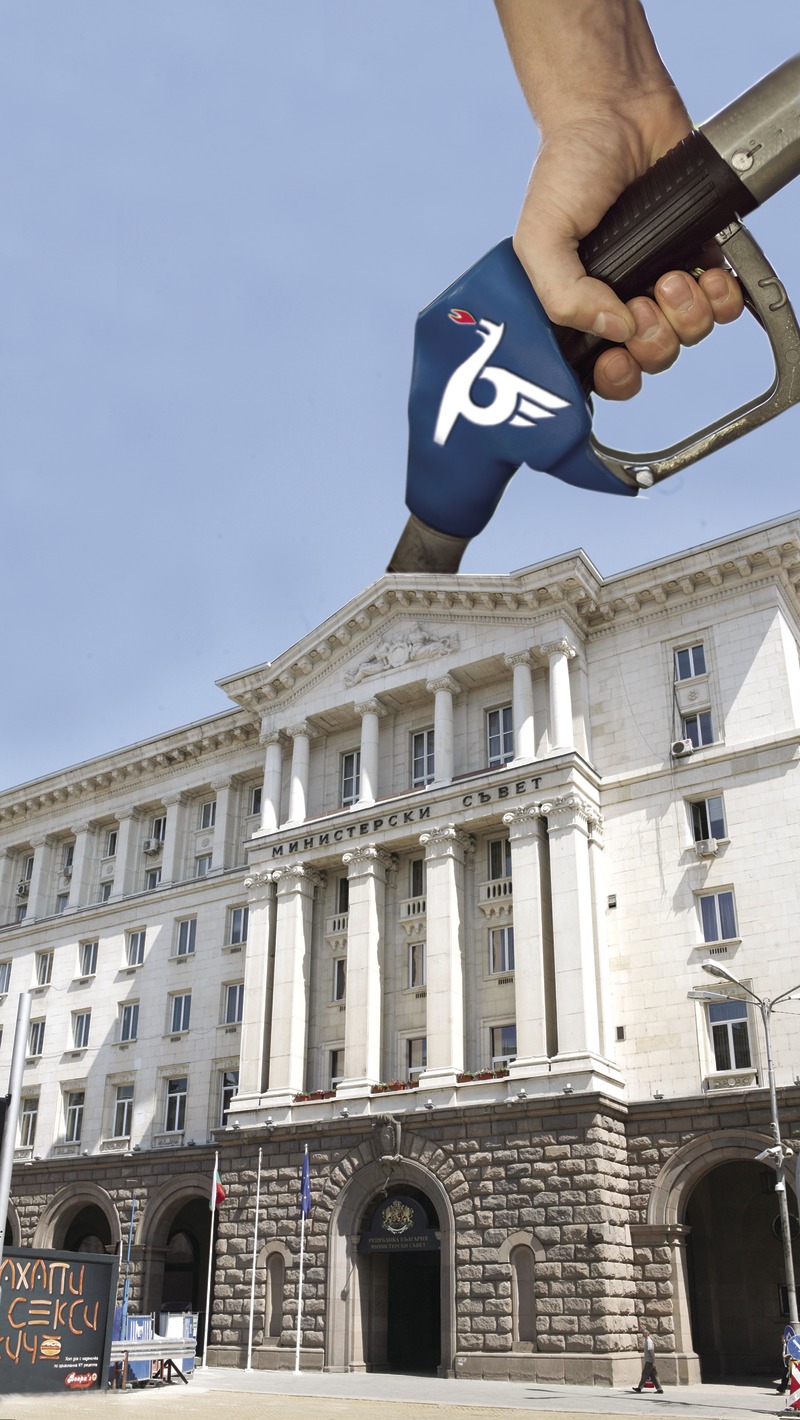
Since 2011, Lukoil and Petrol have been fueling with gasoline and diesel the cars of ministries and dozens of their subordinate agencies, commissions and other public bodies sharing contracts worth between 20 and 30 million levs. But these golden contracts expire soon – at the end of year. That’s why this week the Central Public Procurement Authority, whose principal is the Minister of Finance Peter Tchobanov opened a new procedure for the selection of companies to supply fuel to the government administration in 2015.
In practice, the new auction is almost identical to the previous ones, so that there is no particular intrigue around it. The requirements of the tender documents make it clear that the players to sign the new agreements will be the same again. The very first public competition for the supply of gasoline and diesel in 2011 became a practical example of how to organize a procurement procedure with a preliminary set winner. Then it became evident that while working the committee for review, evaluation and ranking of tender bids made a bunch of violations and improperly selected as first in the 60-million-lev competition Petrol. The scandal, however, subsided and eventually the administration quietly avoided real competition and signed a two-year contract with Lukoil and Petrol. At the end of 2012 the scheme was repeated and the two companies signed new contracts with the state. Of course, OMB, Shell or Rompetrol could also try now, but judging by past experience, this is unlikely to happen. The managers of these firms have repeatedly stated that they do not want to have dealings with government departments due to delayed payments and heavy bureaucracy. For unexpected candidates in this auction the even the idea to take part would be impossible because the required turnover or income from the activity has been set at least 50 million levs, VAT excluded, in the last three years, plus the requirement for a turnover or income for the same period from supplying similar services amounting to 15 million levs without VAT. Applicants need to have at least five executed contracts for the supply of fuel through cashless payment cards, and have stations in 23 regional cities. This time, however, the number of outlets will not be relevant for the classification of participants as the first competition, which in a way creates a level playing field. Now, applicants will compete only on the basis of the discount from the current price for the day they can offer.
One should not miss the fact that except fuels selected companies will also provide car care products and automotive lubricants to major official bodies. Usually orders for such supplies have relatively lower value (up to 200,000 levs), as they are regularly placed and fail to provoke much interest among the big players. However, after legislative changes made in 2012, these ‘small’ contracts will go to the big fish, too. The thousands of vehicles operated by the state mean that here the matter in hand is also amounting to significant sums.
Despite its many weaknesses and the lack of any competition, the agreements with Lukoil and Petrol give some preference to agencies and ministries for the purchase of fuel. Well, they come to no more than 5-10 cents per litre, but this is still something. Different question is whether the discounts are used. Many institutions simply go round the framework agreements and order gasoline and diesel directly through the Sofia Commodity Exchange. This fact not only renders the agreements reached in the centralized procurement useless, but very often means that the achieved price reductions are not used.
The bodies most actively trading on the commodity exchange are the Ministries of Interior and Defense, which also are the biggest consumers of these products in the state. In most cases, this scheme is used by them to order special fuels (aircraft, ship fuels, etc.) that do not fall within the scope of the framework agreement. Some transactions, however, contain also significant quantities of automotive gasoline and diesel. This is how a sum of over 10 million levs has been paid to Saksa Ltd. – one of the largest fuel distributors in the country. Among the customers of the company are also the Council of Ministers, the Customs Agency, Maritsa East II thermal power plant, Bulgarian Posts and others. It is owned by Atanas, Krum and Svetozar Dimovs and its website makes it clear that they work with OMV Bulgaria, ECO Bulgaria, Shell Bulgaria and Rompetrol Bulgaria. In other words, through Saksa, these players on the market of fuels are able to sell their products to the ministries and departments, going round state procurement procedures and saving burdensome contact with the administration.