It turns out that an article could change things. Following the series of publications of the BANKER on the topic of privatization here we witnessed the cleansing of one of the privatization lists. Updated was the one of companies with state participation in the capital, the sale of which now non-cash payment means are eligible. Now the Agency for Privatization already has 1,366 such companies. Most of them we have seen in various auctions in recent years, without inducing particular interest among investors. In each of them a few stocks remained that interest nobody – the state cannot profit from them, the benefits are zero, there are no dividends… The situation is a stalemate – the shareholders are satisfied with the distribution of the shares so far and not make plans for purchases, making the task of privatizing them very difficult.
Of course, not all companies are placed in the same lot, but it is unlikely for the state to achieve the desired effect for most of them. Besides, when something is sold quickly, there is always a danger not get the real price it costs. In fact, in a crisis certainly there will be little hope to find an investor in assets that the investor cannot be sure when or if he they will bring a good return.
Opportunity to participate in the privatization of companies in compensatory instruments is a positive step, but also raises concerns about the effect of it. Some informed investors would participate, but since most of the companies are not public, a group of potentially interested players remains outside of the game – pension and mutual funds. It is known that by law they are not allowed to invest in companies that are not traded on a regulated market.
The amendments deleted 80 companies from the list because they have already signed privatization deals, settled restitution claims or merger or deletion procedures. Separately, because of changes in the capital, in others 19 the amount of the state participation provided for sale has been adjusted. That made it a real opportunity to buy – through compensatory notes – shares of Nu Boyana Film AD (formerly Boyana Film EAD) and brewery Kamenitza in Plovdiv. In the movie industry in Sofia, the state, through the Ministry of Culture, has reserved for itself a stake of 7049 shares, representing 0.069 of the company’s capital. The remaining shares are held by New Image Bulgaria, and the American New Image Inc..
As for the a brewery, a total of 10,582 of its shares (0.152% of the capital) are still held by the Ministry of Economy and Energy. Otherwise US-Canadian giant Molson Coors bought the majority stake in 2012 from the previous owner shares StarBev, through which it acquired the brands Kamenitza, Staropramen and some others.
In the group from the updated list there is one public company, Mebelsystem JSC of Pazardzhik, specialized in manufacturing commercial furniture aluminum and wood furniture for homes and hotels and restaurants. State participation in it is 8,429 shares, or 14.58% of the capital. In recent years, however, the furniture factory has been making profit mainly through letting their real estate properties.
Relatively large state-owned stakes are sold by several companies: 10.023% in the known tourist company Kaliakra Hotels AD – Kavarna.
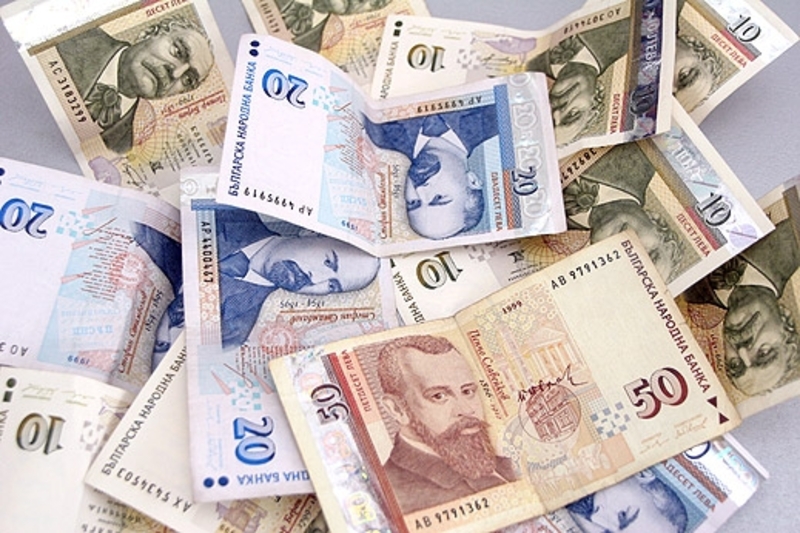
As of the beginning of the year the compensation instruments rose significantly in stock trading. This became especially noticeable in the first days of April. During this period the Bulgarian Industrial Association warned of unusual interest in non-cash payment instruments and talked about possible leakage of inside information about legislative changes. Intentionally or not, the news was followed by the approved proposal in parliament so that state land may be sold not only against registered compensatory bills but also against other compensatory instruments – vouchers and housing vouchers.
The BANKER