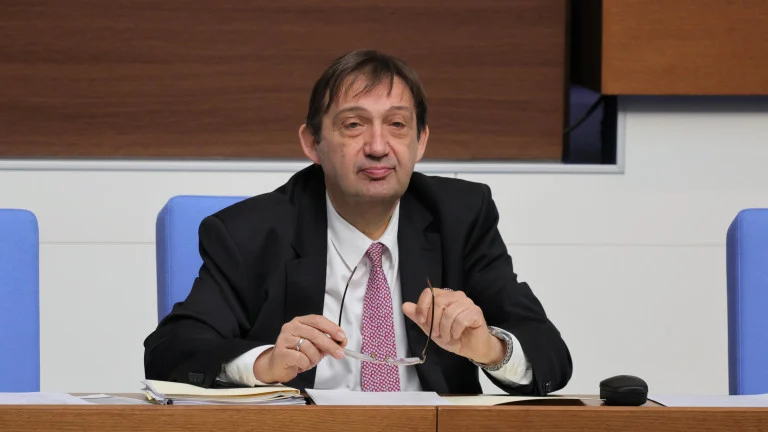
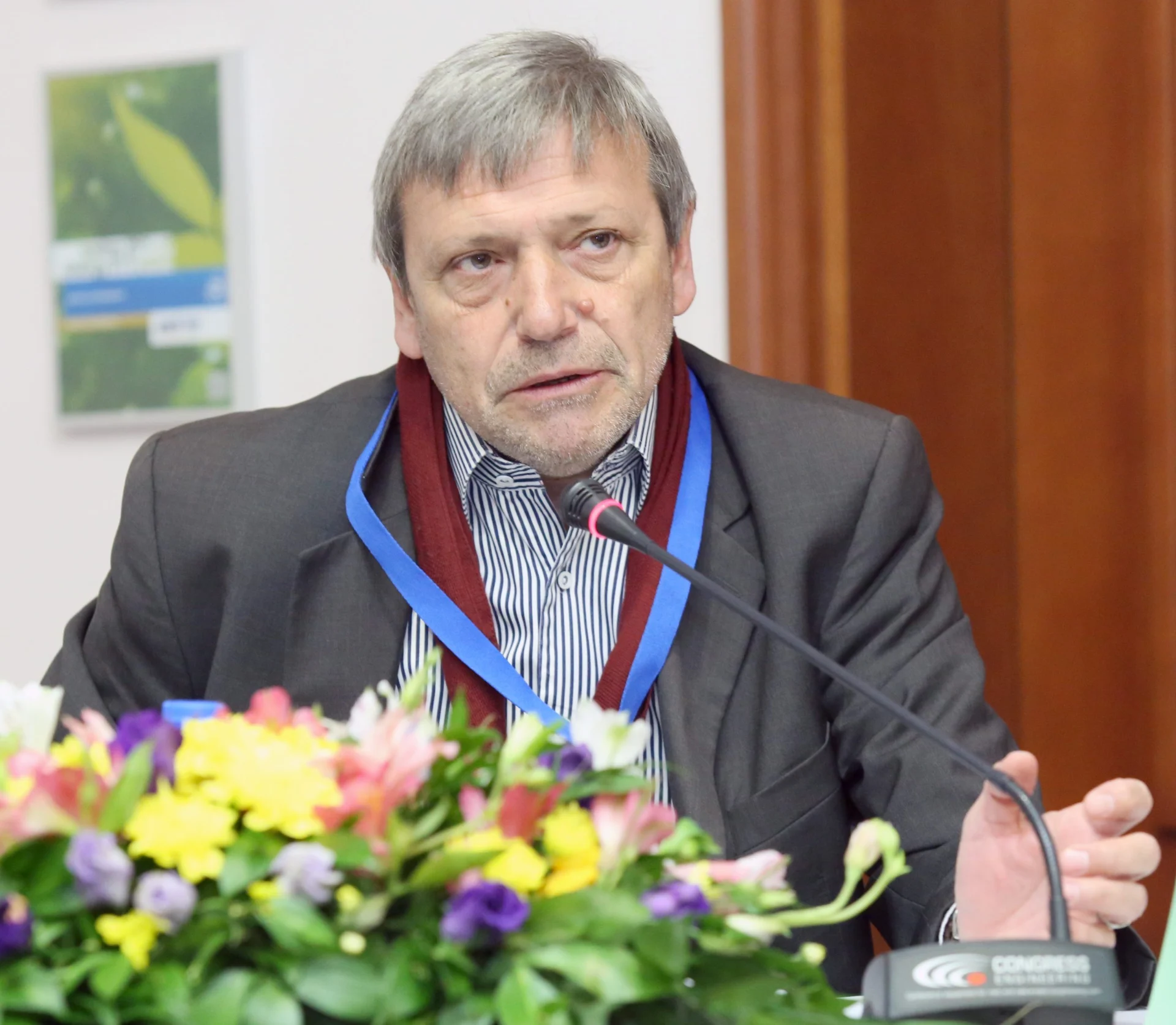
"Most likely there will be a smear campaign towards political predecessors, in view of the forthcoming elections." Assoc. Prof. Krasen Stanchev of the Institute for Market Economics told the Bulgarian National Radio in connection with the audit monitoring of the entire privatization process and the subsequent control, assigned by the Prosecutor General Ivan Geshev.
He recalled that the claim that privatization was a bad phenomenon was quite old and cited the former Attorney General Nikola Filchev’s statement , who claimed that about BGN 30 billion havd disappeared after privatisation. "This is not true," the economist was adamant.
In Stanchev’s words BG privatization is quite transparent, but the problem is that it is quite complex. "What we see as reactions from the political forces is that everyone hopes that the government which made the strongest privatization would be hit by the Attorney General. Their idea is to protect themselves from the non-parliamentary opposition, he said, adding that Ivan Kostov and his government would be put to blame again.
The deals are by law, no matter they may seem morally condemnable in the eyes of the Prosecutor General Ivan Geshev, said Prof. Stanchev and specified: "In 1996, about 7-8,000 state-owned enterprises went bankrupt.
The World Bank and the International Monetary Fund, which then filled the holes in the payment balance as Bulgaria was back in bankruptcy, insisted on the closure of these enterprises, which meant an unemployment of about 500,000 people, at a minimum. "
According to him, what the government could have done then was to announce these businesses for sale as quickly as possible. He commented that in most cases, except in 5-6, this privatization proved successful. Kremikovtzi went bankrupt not because of bad privatization, but because a 2003 loan was not put into operation to restructure the enterprise and “clean” it up so it could start over and be sold,” explained the economist.
According to him, there are many forms of denationalization – one is theft, which is very characteristic of the 80s and early 90s. "The second form is restitution and the third form is privatization," Prof. Stanchev said and clarified that there are none of the privatization deals that are legally looking.
"The privatization law has been amended 29 times because some of the changes that were supposed to happen as a political form were tried to be pushed through law," he explained. In his words instead of liquidation of enterprises, their life has been prolonged and the work of people and their income has been preserved.