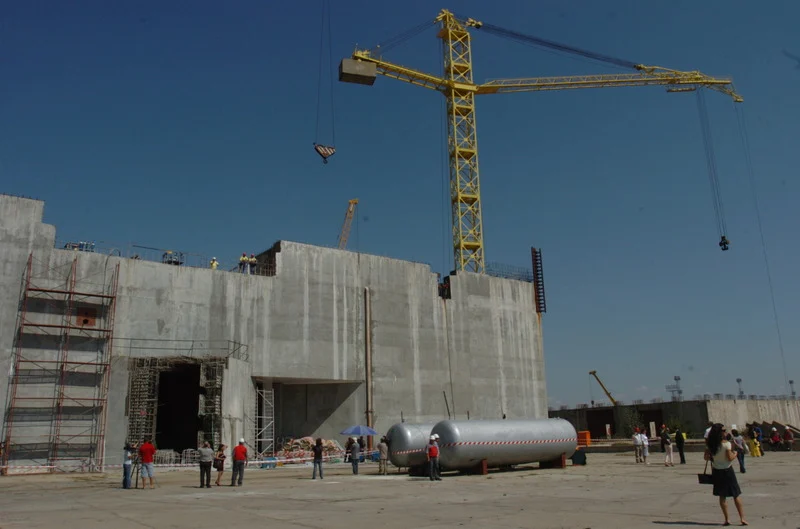
Thanks again to Mr. Stanishev, apart from not having signed the Belene deal he showed strength of character, resisted to circles who wanted to build, and through the organization of the referendum forever erased the topic of NPP Belene, said Prime Minister Boyko Borisov, but his optimism seems a bit premature. True, while Sergey Stanishev was Primier he failed to sign the final contract for construction of a second nuclear power plant, but the topic is not entirely discarded from public agenda. After consultation with the people of Bulgaria, the 20% participation barrier was overcome, it will at least return the matter to the National Assembly. And generally it is absurd to speak of putting a cross to the topic, given that the country is yet to be faced with the claims of Atomstroyexport related to the project.
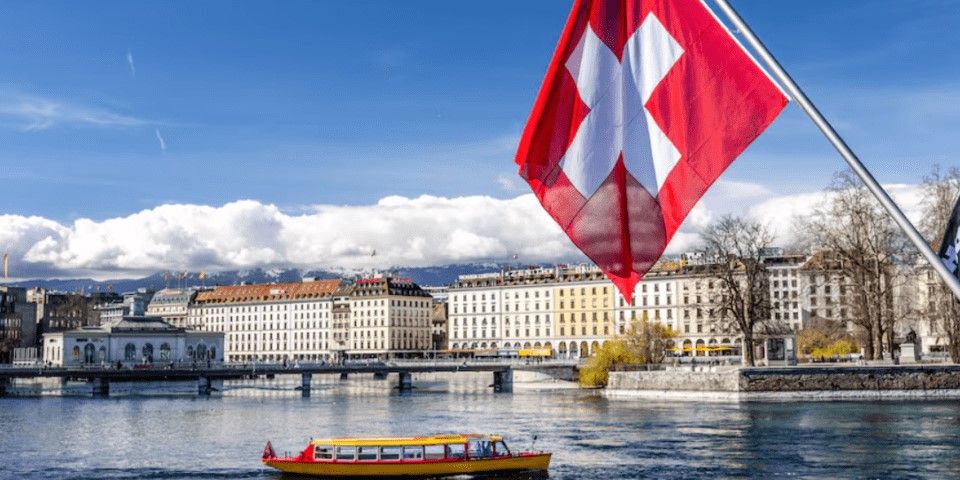
Already in July 2011 the Russian company filed suit in the tribunal of the International Chamber of Commerce in Paris, claiming 58 million euros in compensation for ordered but unpaid equipment for Belene. In response, Bulgaria filed a counter claim for 61 million euros, but this time before the arbitration in Geneva, on the grounds that Atomstroyexport have not complied with the requirement to purchase all the old equipment from the plant site. Subsequently Russians increased their claims to over 1 billion for the value of all project activities, the value of produced equipment that is in storage for a period of production between six months and three years, and other damages. So cases that are expected, certainly will again spark the issue of Belene NPP again, especially if things develop negatively for Bulgaria.
Otherwise, in fact everything around the building of the plant has ceased. This officially took place on 28 March 2012 and when the GERB cabinet revoked several decisions of the Council of Ministers from 2004 and 2005 to unfreeze the Belene site and continuation of the construction, as well as the one announcing the creation of a second nuclear facility of national importance. On March 29 last year, the Parliament put a cross on country’s new nuclear projects.
In practice, however, the most important documents for the plant have already been viewed in the Nuclear Regulation Agency. They can be approved and contain good project solutions, pointed out in mid-January chairman Sergei Tsochev. That is, it is a question of a political solution to sign them and this not necessarily has to be done by the current government.
Boyko Borissov himself has repeatedly proven that he quickly changes his mind, including on the topic of the new NPP. In September 2012 the Minister of Economy and Energy Delian Dobrev surprisingly introduced to MPs from the respective parliamentary committee representatives of the U.S. Global Power Consortium who had allegedly interest in realization of the nuclear project. Then next to the head of the Economic Committee Martin Dimitrov was also Chairperson of the National Assembly Tsacheva, although she is not among the members of the committee. However, it was Mrs. Tsacheva who insisted that the parliament should grant Dobrev a mandate to lead commercial negotiations with the mysterious company and after forming a clear offer, it was to be presented to Parliament. Such a decision has not been taken, but Prime Minister promised to talk to the Global Power Consortium after the results of the referendum are known. Well, this last part of the puzzle has already been put into its place.
nbsp;
nbsp;
Former President of the Constitutional Court Nedelcho Beronov thinks the conducted nuclear referendum violates the Constitution. He said the Energy Act, art. 3, paragraph 1 stipulates that The Council of Ministers determines the state policy in the field of energy. In another legislation – for the safe use of nuclear energy (Article 45, paragraph 1 and 2) it is said that the Government decides to build a nuclear power plant and the proposal is made by the Minister of Economy. The law for the direct participation of citizens in government and local government notes that a national referendum can be convened only on matters that are within the powers of the National Assembly.
In this case the referendum is completely unconstitutional because it seizes the powers of the executive body conferred to it by the law. If the NPP topic goes back for discussion in Parliament again – it will drastically violate the Constitution. Interestingly enough, nobody consulted the Constitutional Court before the referendum and even more curious is that now some people will do it.