The new Electoral Code that has been awaited for months shall finally be debated in Parliament within days. But no one is happy. For one simple reason – the project, which is submitted for discussion in the National Assembly, has nothing to do with what people want. And mainly this desire is to clear Parliament in the next election from those party figures, whom voters neither believe nor want to pay for any more.
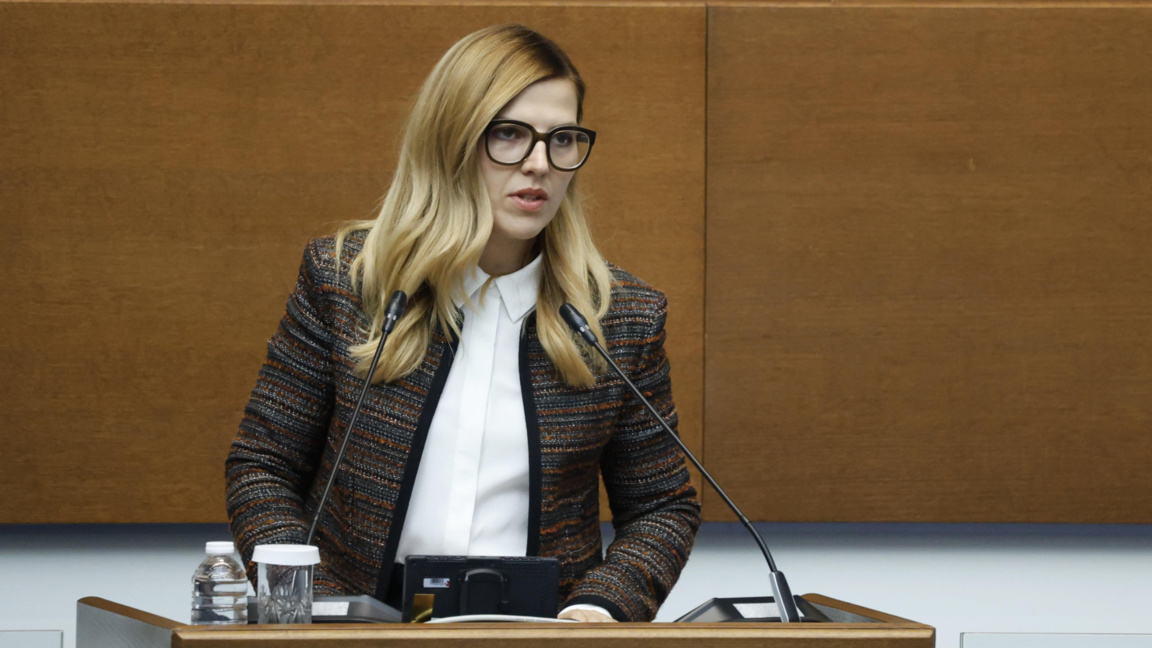
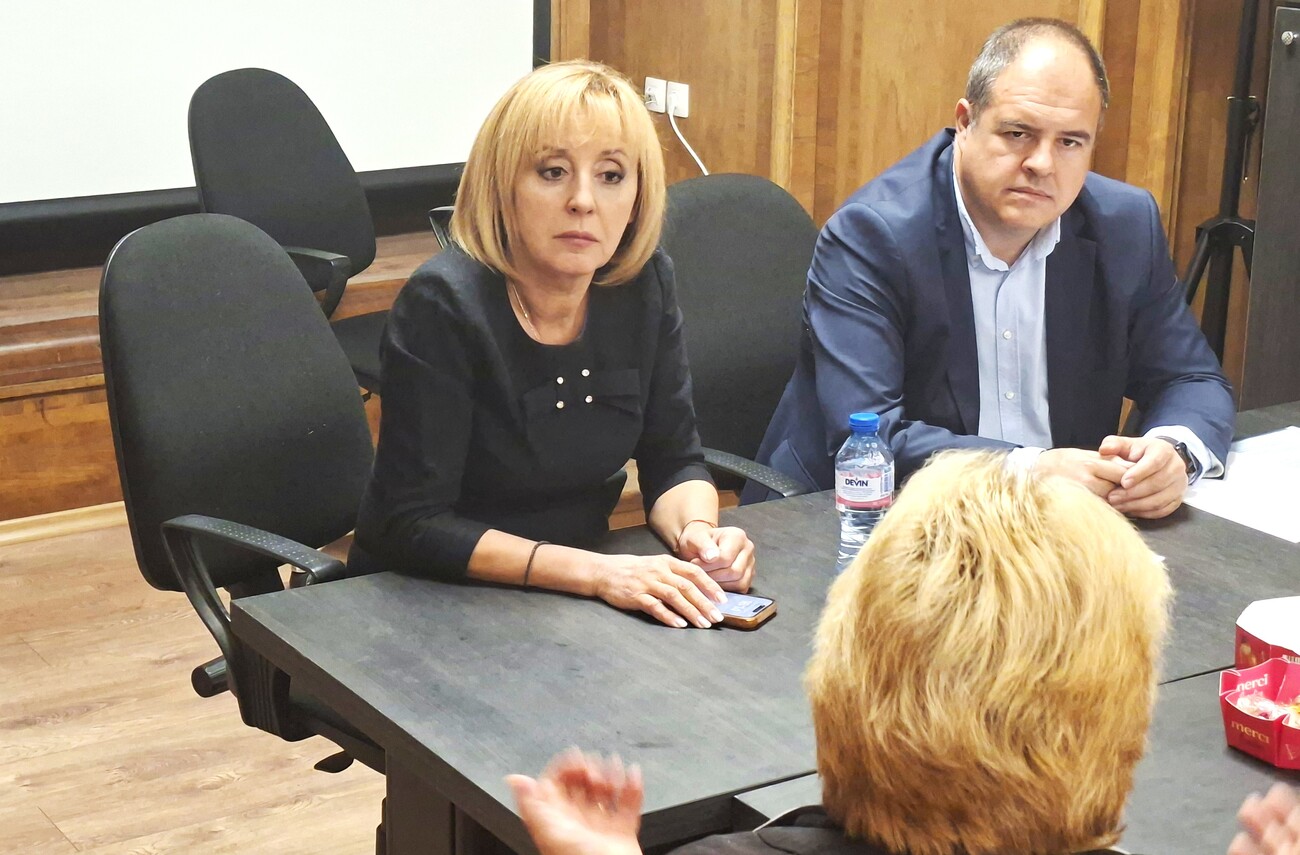
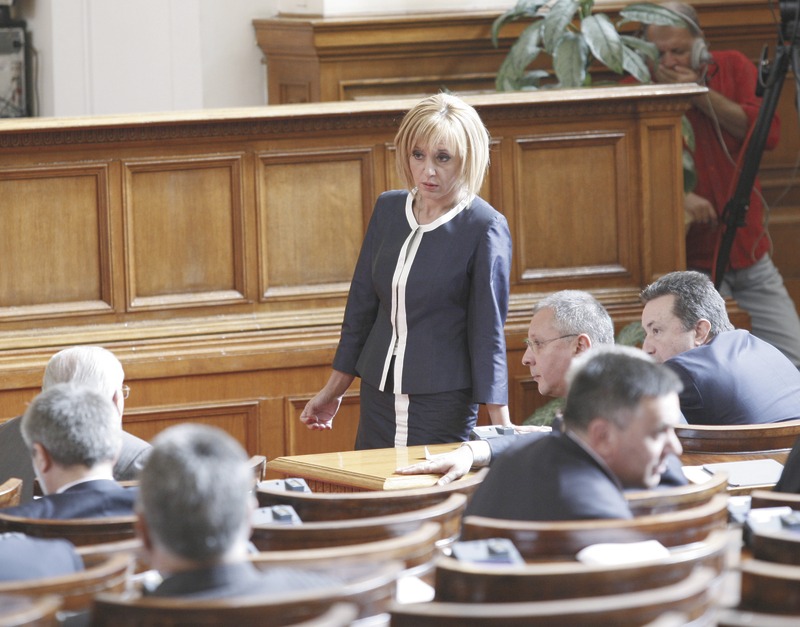
Instead of a radical change in the way we choose lawmakers what is offered is some form of preferential voting. Some form because the widely advertised by the deputy chairman of parliament Maya Manolova proposal for a new electoral code is currently still a big unknown. At least – in terms of preferential voting. It indicates no number to show how many votes for a given candidate could lead to a shift in the lists. The future figure is yet to be discussed. In all parliamentary groups, the arguments for and against the preference vote are currently ongoing. The options being considered are from 0 to 10. Clearly, the number is very important here, because Bulgaria has had preferential voting system already, but it was non-functional because of the high threshold of the vote – the last one was at the previous elections for the European Parliament. Arguments now are different, but one of them is particularly impressive: it turns out that last time when people in Bulgaria could vote with preference, the option to a tick in a box against the name one of the candidates’ names were used not only as a choice of preference but also to mark the bought vote. Subsequently sectional committees released data on the marked prearranged names and thus intermediary was able to track down the number of people to pay to.
The fact is that parliamentary represented parties take the possibility of a preferential vote too hard and are quite willing to part with such an idea – it is enough to remember how uneventful and almost unanimous support received in Parliament the removal of preferential choice in the law proposed by Iskra Fidossova. In fact the only thing that makes all the MPs to discuss the issue with the preferences are the angry people protesting in front of the National Assembly every day. It is a compromise so that the comfortable status quo may not fall apart. But it is certain that the party bureaucrats will surely make the threshold impossible lifting it as high as possible to avert any attempt to change the lists. Moreover, the explanation that if the threshold is low, it will take five to eight percent of voters to rearrange lists and this sounds so unprofessional that it even becomes quite offensive. Because this would be possible only if all those voters put their preference on one and the same candidate. And if not – after dilution of votes to a sufficient degree this will leave the candidates in the order they were originally filed.
However, here remains another problem – how to count the preferences. And here we run up against the plague called sectoral election committees. The last few years it has become obviously clear that the main problem in the reporting of the results of the vote is buried in the countryside or abroad – where observers from international organizations rarely go, and where there are practically no adequate external controls. There is almost no case where after the court ordered a recount of ballots in such a section, the result to be identical to the one in the original protocol.
Whether the proposal of the Foreign Ministry to send one person in each sectoral committee abroad is appropriate is another issue – it may be argued that this could lead to interference of the executive power into the organization of the vote. But the black hole in the control of local rural sectoral committees continues to stand. The main problems there are that the rules are unknown which apparently no training can overcome. And also – the lack of effective external controls. There is for example a ban members of a sectoral committee to be spouses, siblings or relatives. This prohibition has been adopted by the new draft electoral code, even with the addition, that committee members must not be in actual cohabitation. But before, and still now there is one significant flaw that no one seems to notice – there is no authority to monitor whether this prohibition is complied with. This again makes absolutely possible the existence of family sectoral committees, that could be composed of relatives, however, pointed out by different parties. There is no requirement for the educational level of the sectoral committee members – it is enough for them to declare that they speak Bulgarian. Practice proved that a requirement for at least secondary education for committee members is more than necessary, so that they don’t reach to blunders bordering with absurdity.
Honestly said, during the last election the much discussed copiers that were required to be present in each sectoral committee proved a major obstacle to the shopping for a whole committee or to manipulation of the results of the counting or the protocol. Copiers remain now as requirement. However, the provisions in the draft low for introducing the machine voting designed originally to eliminate any possibility of manipulation of results in sectoral committees may well not pass in a plenary session, even as an experimental option. For two reasons: first, because it is expensive. And second, because it a voting machine will really impede voters, especially those who traditionally vote for the now ruling BSP and the ethic Turk MRF. These two parties have already expressed fears with respect to that so that now we can assume how they will vote in Parliament. And besides – a voting machine will actually interfere much. Both with the queues in front of the sections and with the direct bargaining with the committee.
Everything so far has only one conclusion: radical change of faces in the next National Assembly is not expected. Or at least – not with this electoral code. This situation, however, portend new storms also for the next parliament – whenever it may be elected, and whoever manages to form a majority in it. As long as politicians refuse to comprehend obvious – that they no longer dictate the terms.
Only part of the ideas for reforming the basic law produced ??by the fledgling initiative affect elections. But they immediately sparked discussions because they bring an exotic flavour. An example for this is the proposal to introduce a mechanism for recalling MPs and councilors. Moreover, in three different situations: first , MPs to be forced to leave the Parliament if they leave the party group that they entered the National Assembly with. Moreover, voters may ask them to leave with a petition supported by 5% of the people with right to vote in the respective constituency. A third idea is immediately able to get GERD and MRF parties embrace each other immediately only to never hear this proposal again: a member of Parliament to be forced to leave if an indictment against him is initiated by the Prosecution.
The BANKER