Where after the MEP voting in Bulgaria? Will an upcoming cabinet reshuffle prevent possible early parliamentary elections, provided that DPS insists on them? Will the tension in the state be unclogged if the BSP leadership hand in their resignations? Why ex-president Georgi Parvanov went out of the socialist party forming a new political entity? Who will pay the price for mistakes that proved fatal?
These are the actual questions that are literally shaking the socialist party these days. In their so-called coalition partner, the ethnic Turk Movement for Rights and Freedom (MRF), the situation is different: the people of ex-leader Ahmed Dogan, who almost turned second largest party due to the low participation, argued that their support increased. But the truth is different. They received 400,000 votes, just as many as at the parliamentary elections last year.
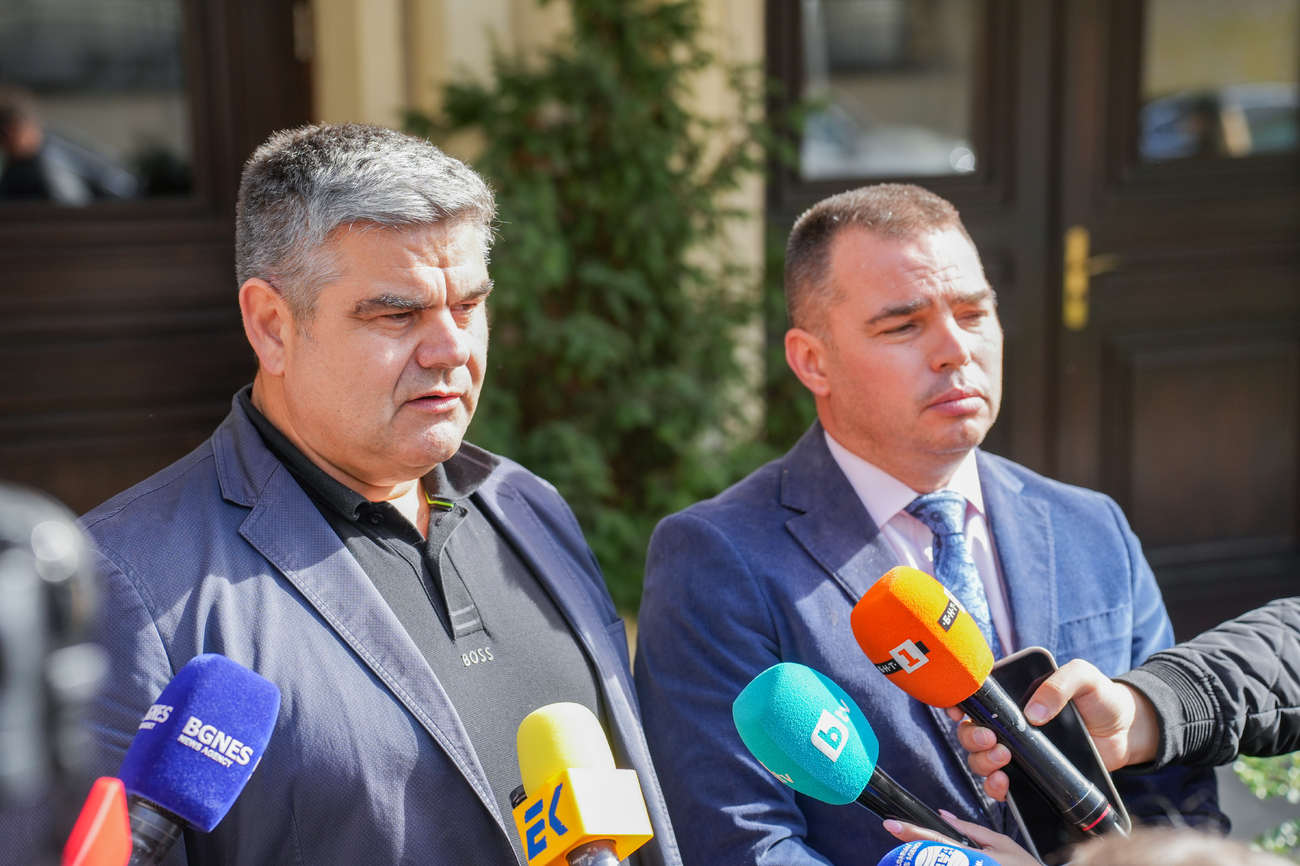
In 2009 they took 210,000 votes more because of the travelers from Turkey who this time had no right to exercise their vote. But this did not stop them from feeling champions in politics and play now in the team of opposition. Ex rulers from GERB want immediate resignation and elections for a new parliament. MRF leader Lutfi Mestan also argued that there is no way the government of Oresharski may survive till the end of the term, because „these are the political realities in general.“
It is interesting how MRF saw reality a year ago when people went to the mass protests in the streets because of their unprecedented lust for power at all levels? The socialists then made compromises to satisfy the desires of its now coalition partner.
So far, socialist leader Sergey Stanishev has been silent on the subject because the MRF is keeping its ambiguous and lordly attitude flirting with both the socialists and GERB.
He only said there would be an analysis. Unlike Mestan who said that all major parties need to sit down and talk about the different options – may be immediate elections, elections in the autumn, the end of the year, etc. This is a thesis that it is increasingly closer to the premises of the GERB and the new political entity Bulgaria Without Censorship. It is important to note, however, that this new position of MRF regarding the government it has been supporting so far is an expression to Mr. Stanishev and Mr. Borisov that it is now MRF that plays the leading role in politics. And if Stanishev has to endure the follies of Ataka party to hold together a quorum in parliament, GERB now can count relies on the Reformist Bloc.
Additional tension between the two coalition partners was caused by the statement of ex-PM Boyko Borisov who said that now the socialists are pulling the MRF downwards and they need to rethink their actions. „In politics, never say never,“ replied the former prime minister to the question if a future alliance between his party and the MRF is possible. And demanded the immediate resignation of the Cabinet, a caretaker government and early elections to the national parliament.
The aim of socialists and somewhat that of MRF might be one – to carry out their mandate in full.
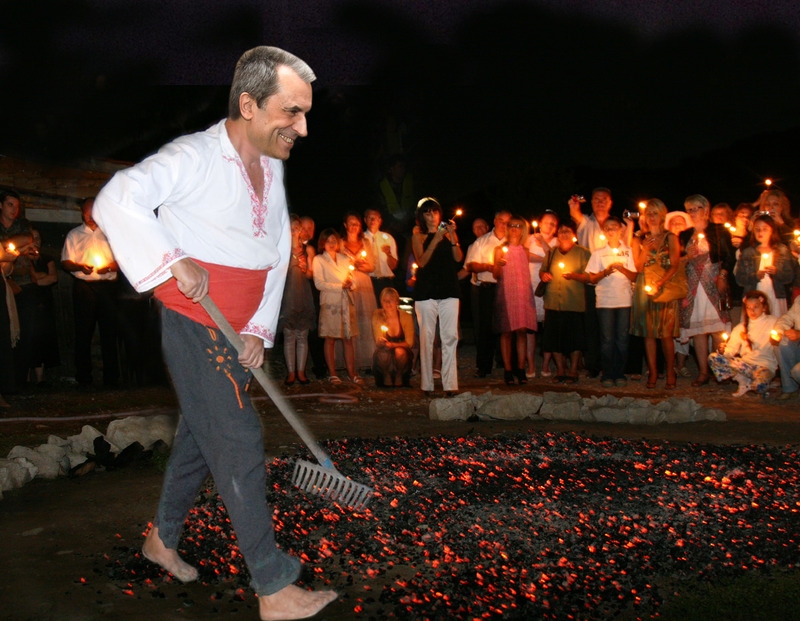
Until then, however, because of the party’s struggles at the top of the country, Prime Minister Oresharski will continue in the role of dancing on embers in his role of an expert. Some political scientists say that there are three options for political combinations after the crushing loss of the ruling socialist party in MEP election on May 25: the first one would be an overhaul in government team, the second – a new cabinet within the current Parliament, and the third one – immediate elections for the National Assembly.
Estimates are essentially flawed because it comes on the basis of the results of the MEP. And people traditionally have a much greater interest in national parliamentary elections, which is accompanied by a higher turnout.
Data from the voting point a victory for GERB with 30.41 percent, then come the leftist Coalition for Bulgaria – with 18.96 percent, followed by MRF with 17.36 percent, Bulgaria Without Censorship – 10.65 percent, and the Reformist Bloc – 6.36 percent. Note: the turnout stood at at 35.52 percent against 51.33 percent for the parliamentary elections in 2013.
The BANKER