The energy sector in Bulgaria has no room for rhetoric – it needs concrete actions as painful as they may be. The people have seen palliative reforms and quasi-measures, which aimed to replace some nepotistic appointments with other nepotistic appointments, but ultimately only exacerbated the pains of this sector, highly profitable a few years ago. All this should be clearly visible to people in the Cabinet who now offer the new magic pill called „power board“. Expectations to the new structure are undoubtedly great, but whether it will be able to justify them?
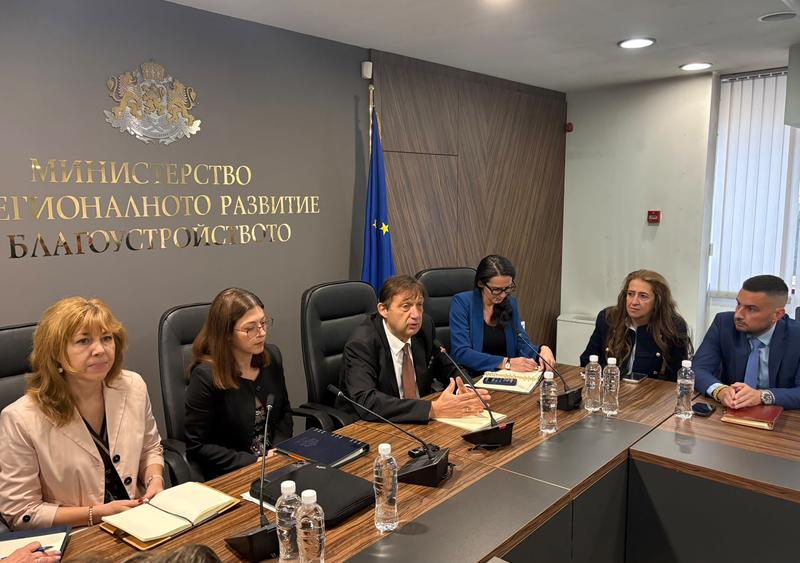
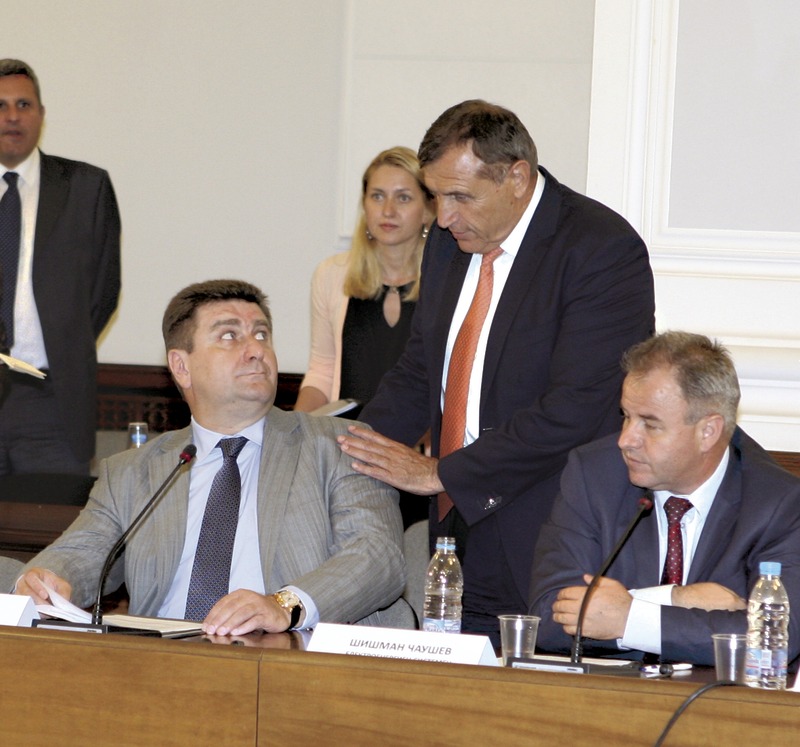
On Tuesday (September 2) the Council of Ministers held the first meeting of this new structure and the impressions of him among the specialists are quite contradictory. „The main task of the board is the stabilization of the energy sector, and ensuring the predictability of the behaviour in the segment. The work of board has to be effective, the problems have to be called with their real names and even most unconventional solutions must be discussed,“ said energy minister Vasil Shtonov. „The board should be a platform for constructive dialogue between all stakeholders in seeking opportunities to overcome the crisis. He will point the way for implementation of the reform and restructuring of the sector with clear, balanced and understandable rules and principles,“ said Deputy Prime Minister for Economic policy Catherina Zaharieva who heads the structure.
Words really sound well, but under the surface there are many details that must be taken into account. The task is to overcome deficits in energy with market and at the same time affordable measures, while maintaining quality of all players in the industry, and it is very difficult to solve by a structure that is still even
not wearing a legal form.
A legal regulation can be made the soonest after the formation of the next parliament. Of course, if the parties that win the election have nothing else in mind. It is appropriate to note that the political party with the best chance to rule after the vote – GERB is more than scarce on words on the issue of the energy board.
The only specific comment made some time ago by Ivailo Moskovski was: „To the extent an objective assessment of the energy situation and adequate measures are necessary, I would accept such type of advisory board and would support its existence. On the other hand, its legal existence is unclear. Under what form such a board would then oblige institutions to follow its decisions? If the regulator had been doing its job properly, and there wad been no political interference in its work, perhaps there would be no need for such a board. „
It is clear that – in its present form –
the board largely takes over the functions of the energy regulator
By law the regulator is the body charged with conducting an independent policy in the energy field. A loss of control over this key body is unlikely to appeal to any political party. In spite of all the talk, that the regulator must be an independent body.
It is worth remembering that while in opposition, it was GERB party that prepared a bill which asked the composition of the energy regulator not to be appointed, as it is now, by the government, but its members to be elected by the votes of two thirds of the MPs. This was designed to bind to the regulator to conduct annual audits of all companies in the supply chain involved in the formation of the final price of electricity. There are also National Audit Office, the Agency for State Financial Control, the Commission for Protection of Competition and the Commission for Consumer Protection also making checks on electricity prices. The bill was never passed in the previous National Assembly, but it will be interesting to see whether people led by Boyko Borissov will think of it in the next one, especially if they dominate the new parliament.
On the other hand, it is more than clear that in order to patch up the gaps in the energy sector, compromises will have to be made by all players in the chain – there is no way how consumers may pay the full price in their electricity bills.
The situation is not really optimistic. The up to date information from the responsible Minister Vasil Shtonov showed that the first half of 2014 saw
losses of the regulated market of 360 million levs
and in the present situation, by June 2015, this amount will swell to 900 million levs. The main problem is the high price of solar power plants, which receive 501 lev per megawatt hour of electricity produced. After them in terms of costliness ranks American AES Maritza East 1 with a price of 220 levs per megawatt hour, followed by cogeneration units with 190 levs per megawatt hour. Wind turbines receive 186 levs per megawatt hour, while the power from the second US company in Maritsa East – Contour Global is purchased at 143 levs per megawatt hour.
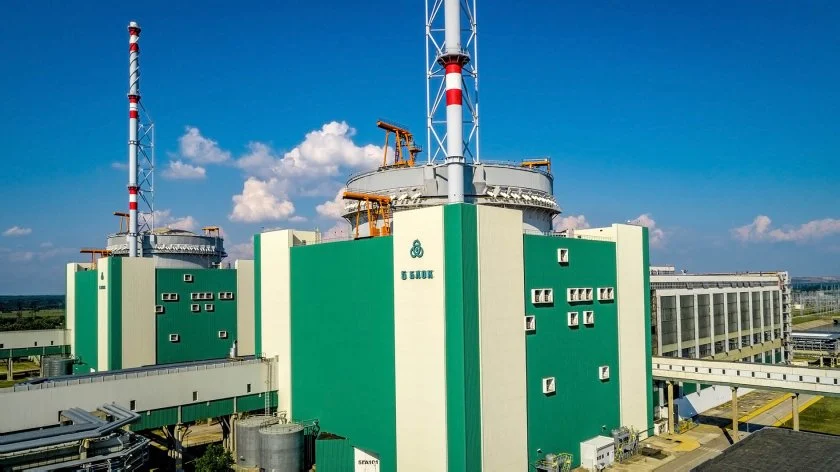
Just for comparison – NPP Kozloduy produces electricity at 39 levs per megawatt hour of energy and the other state plant – Maritza East 2 – has its prices set at 68 levs per megawatt hour. „All stakeholders, the regulator, power generators, various associations must reach consensus to improve the situation in the sector. Problems will not be solved only by increasing the price of electricity,“ said Vasil Shtonov during the first meeting of the energy board. Whether his words will be heard or
each lobby will continue to defend its interests
remains to be seen.
In this connection it is worth noting that only a day after the energy board meeting – on Wednesday (September 3), Bulgarian Photovoltaic Association sent a press release, which noted that on 31 July the Constitutional Court ruled for anti-constitutional the texts of the act for renewable energy, through which the previous government introduced a 20% tax on the income of solar and wind power units. The complaint was lodged by President Rosen Plevneliev, who composed the current caretaker government that vowed to clean the energy sector from corporate interests.
Speaking of corporate interests, one should mention the fact that in the current version of the energy board that focus fell only on the problems in the production of electricity, but did not cover other energy sectors.
„This is a great weakness, because the problems in the various segments are interrelated and mutually dependent. If Bulgarian Energy Holding (BEH) continues to use its limited resources in the field of investment projects such as the pipeline South Stream, this will not only worsen its debt exposure but will sharply limit and deteriorate the credit conditions for other critical for the system sustainability investments by BEH,“ says energy expert Ilian Vassilev.
In his words, the board’s desire that transmission and marketing of natural gas and exploration and production of oil and gas should remain outside the scope of the energy board’s can not but ruin the Energy Board itself. It must be first and foremost a system that enforces discipline and limit the rights of individual participating companies or institutions to take selfish actions threatening the system with potential damage.
Already voices have been heard that the energy board will be used as
convenient tool for dismissing the politically independent managers
of state energy companies.
The BANKER