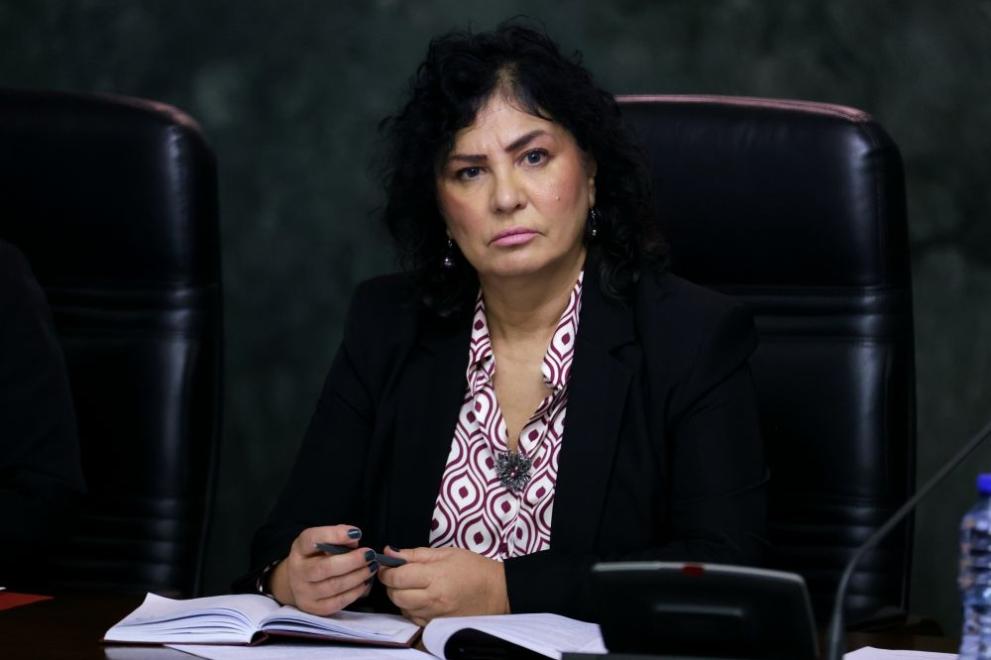
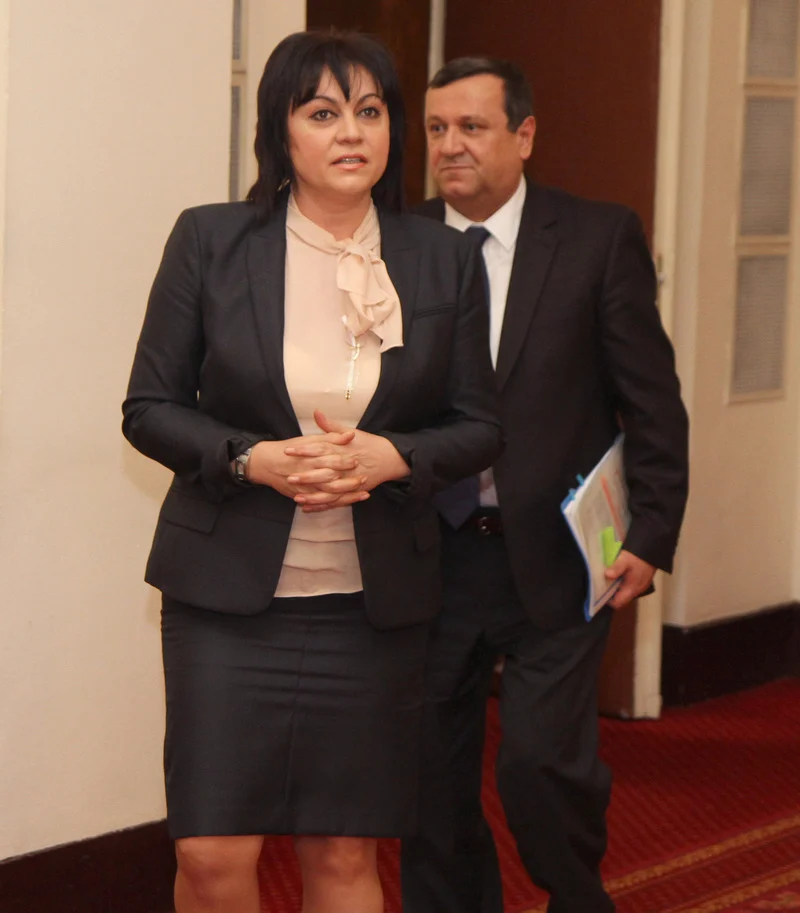
„I read and I read – and there are three sentences only on social policies. Nothing about youth unemployment, there is nothing for income, for ways to fight poverty.“ This is the laconic comment of „red activist“ Kornelia Ninova on the election programme of rival GERB party. In fact, the sentences on the social topic in the platform of GERB are much more. But many of them actually do not say anything, while others promise a return to the past. „It is time to look and to carry out social policy in a new way – as a set of policies that promote, intensify, make social inclusion and personal fulfillment of people easier and more meaningful“ – and this sentence in a programme of a political party is almost meaningless. In addition GERB promises to continue „welfare reforms launched in the period 2009-2013“ as well as the pension reform.
If Boyko Borissov’s party triumphs in the forthcoming elections, there is hardly a more secure way to quickly dump itself and remove itself from power than this delusion to continue in the style of Simeon Dyankov.“ GERB lost support not because of the high cost of electricity, but because of the continuous belt tightening, the sharp raise of retirement age and freezing of benefits. And it would be very stupid if it repeats the same mistake twice. Now GERB people will supposedly focus on maintaining the quality of human capital, tackling poverty and negative demographic processes. Their programme lists some (already existing) initiatives for temporary work and social inclusion. Simultaneously, a major problem for GERB apparently are disability pensions, and the programme is leaving the impression that the people who draw them will be treated almost like criminals syphoning the state budget. Due to that party members of Borisov will stimulate as a priority the aid to families with three or more children, which is too „ethnically“ targeted a measure.
The Bulgarian Socialist Party (BSP) on its turn stands for „protecting“ labour, it intends to provide measures for economic growth and improve social policy. It would be nice if once somebody does something in this direction. In the party they believe (it seems the case only there is such) that they have achieved „social de-freezing“ and that they will continue to raise people’s incomes. Among their specific goals are the gradual increasing of the minimum wage, pensions and social payments. They will comply with labour productivity and the real cost of living, if it could not be otherwise. In the vision of the leftist coalition, the pension reform should go towards linking to life expectancy. This would introduce flexible retirement age and people will get their pensions when they reach a certain age. Socialists’ answer to the most acute problems of unemployment, poverty and access to health care is the so-called „progressive policy“ which, for some reason, there could not so far implement. It focuses on boosting employment and production, stimulation of taxation, distribution of agricultural subsidies and social protection measures. BSP are adamant that only partial social measures and compensations will not achieve noticeable improvement in quality of life. In what, actually all citizens in Bulgaria have long been convinced of after BSP’s incompetent rule in recent years.
Ethic Turk Movement for Right and Freedoms (MRF) link the achievement of higher levels of employment and incomes increase with economic growth. Their social programme seems to be out of an interview of the responsible minister until recently Hassan Ademov. It talks about improvement of the pension system by introducing automatic mechanism for determining the retirement age according to life expectancy. Annually all pensions will be updated under the Swiss rule and they also plan to implement a national plan for implementing the European guarantee for youth employment. The „Novelty“ is the idea of making a calculator for the growth of the minimum wage in line with labour productivity, average wages, inflation and regional specifics. MRF promised social programmes, voucher services, targeted assistance for heating and annual update of benefits for children from one to two years of age.
The BANKER