In an attempt to patch up their troubled budget, the management of the National Healthcare Insurance Fund (NHIF) intends to implement drastic administrative regulations that will negatively affect some hospitals at the expense of the others. At a meeting of the supervisory board of the institution, it was decided the costs of hospital care and medical products made in September, to be paid by the fund at 80 percent. These costs will again be seen every month by the end of 2013 and will be compensated, according to the financial capacity of the public fund. Put in other words, if the treasury agrees to update the budget of NHIF and fill in the missing 150 million levs, the money for the hospitals will be cut quite significantly.
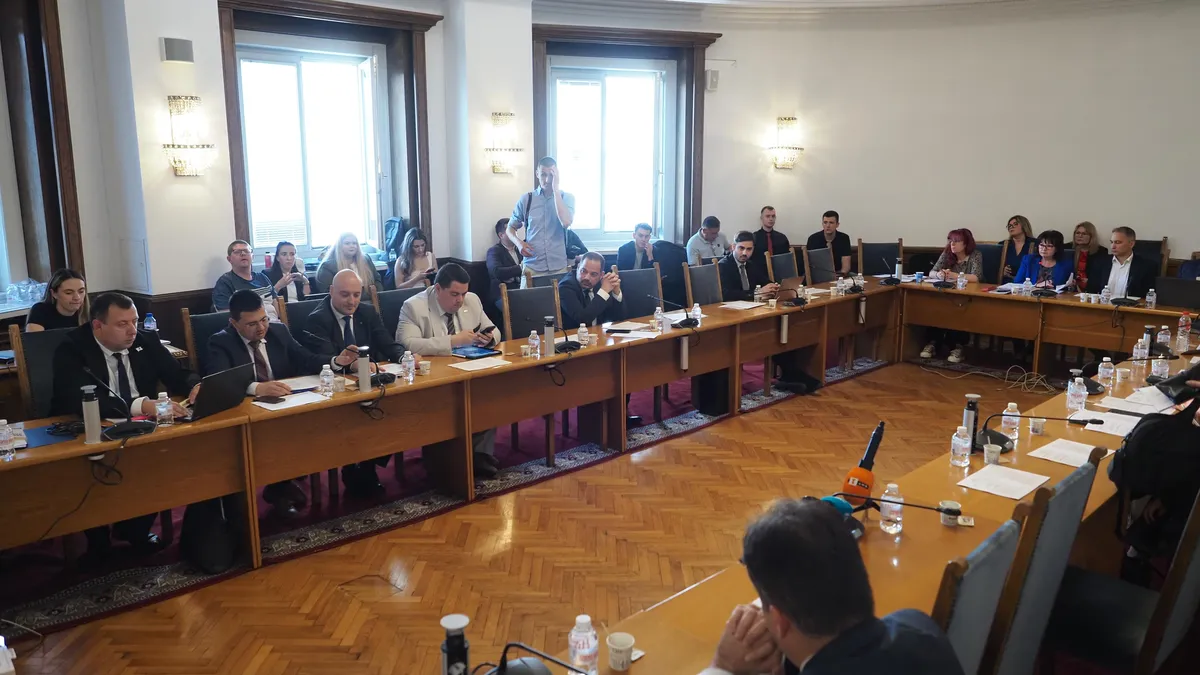
The national association of hospitals warned that the regional health insurance funds have delighted them with the letters, stating that they will be reimbursed only between 50 and 60 percent by the end of the year for their costs of treating patients. Outside any contractual logic, the health fund will pay at its own discretion more to some and less to others. Such financial amputation, however, is about to permanently disables a number of hospitals. As noted by Dr. Stojcho Katzarov from the Centre for the Protection of Human Healthcare Rights, the cost of wages and social benefits in a hospital come to an average of 65% of the proceeds. If funding is limited, the directors will have to choose whether to buy medicine, pay overheads or salaries to the personnel. In the first case – patients will be affected, in the second – the staff who might refuse to work.
Managers of private clinics reasonably argued that the money in healthcare do not suffice due to the total chaos in the management and disbursement of funds. Manager of the General Hospital Serdica, Dr. Metodi Yankov, asked the government: whether the sum of almost 2 billion levs nationalized by the previous government will be returned to the health insurance sector and why the state provides the children and the elderly at the minimum threshold, since they are the largest consumers of medical services? According to Yankov, the system can not be changed for the better with such deficits.
Associate Professor Dr. Sotir Marchev of the Bulgarian Cardiac Institute believes that the guilty are mostly those who divert funds before they ever enter the healthcare system. He pointed out that the management of his professional organization has successfully sued the Ministry of Healthcare, but the state is not willing to comply with the judgment of the court. What investments can expect a country that violates its own laws?, asked Mr. Marchev.
Another issue that hospital managers just must ask, is why people who have left the health system in disarray are not held accountable? Despite threats there are till no charges against former Finance Minister Simeon Dyankov for having transferred 1.4 billion levs into the fiscal reserve. In May 2013 in a speech before MPs former Governor of NHIF Dr. Plamen Tsekov reported 82 million levs collected in excess of the target for health insurance and said that a deficit by the end of the year was not expected. According to a representative of patients, Plamen Taushanov, the supervisory board of the health fund apparently accepted low budgets, which are then updated in parts only. On what grounds, he inquired, at the backdrop of 140-150 million levs costs for cancer patients in 2012 this year the same are down to nearly 90 million levs?
The BANKER