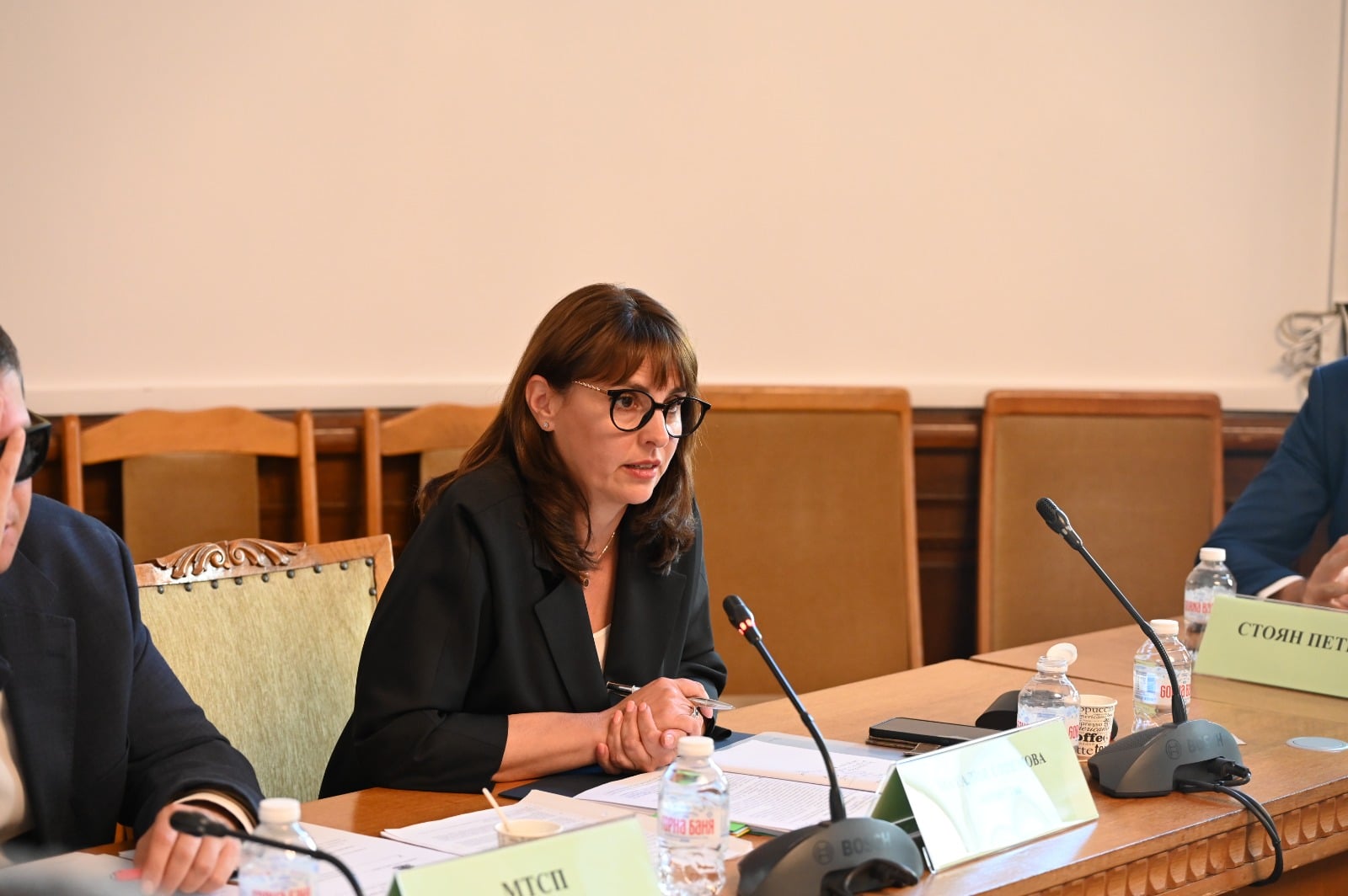
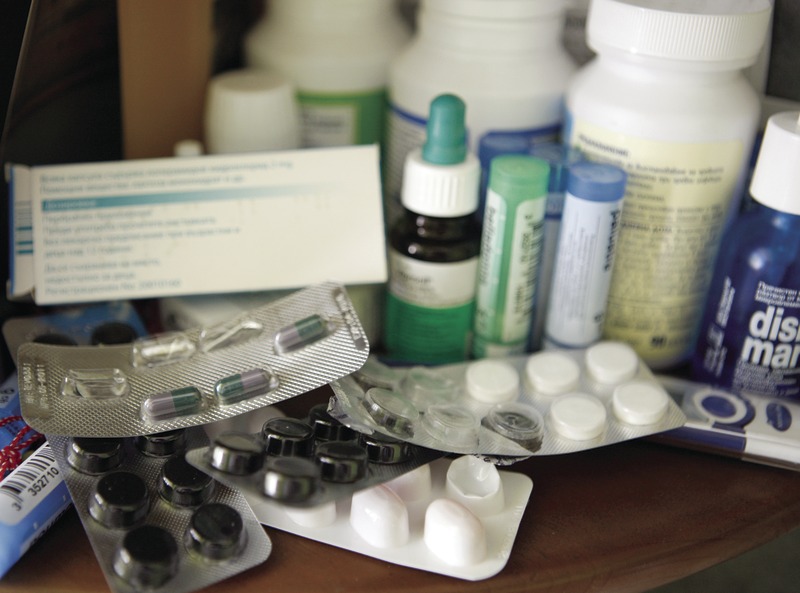
A recent parliamentary roundtable on the issues of drug policy, intentionally or not, has created a highly distorted picture of the status of the pharmaceutical industry in Bulgaria. A market for 700 million euro was called insignificant. It turned out that the prices of drugs in Bulgaria are the lowest on the Continent, and sold at almost non-existent margins. Experts participating in the meeting failed to give the names of monopolies setting prices of medicines and did not bother to show their profits. Instead, it appeared that pharmaceutical companies received the lowest subsidies for supporting their business in Europe, and this way they were allegedly on the brink of financial survival. That was why they said they neednrquote t be pressed to reduce prices in order not to withdraw from business and thus trouble the supplies for the National Health Insurance Fund, hospitals and pharmacies.
It is a mere wonder then, why some of the drug prices went up by over 200%
over the last one year or so? Or how it happened that after decentralization of drug tenders in March 2011, hospitals were forced to procure small lots at inflated rates, and that endash almost exclusively from the dominating distributor of pharmaceutical products Sopharma Trading. Drugs sold by the same firm turned out to be cheaper in Turkey, Serbia and Macedonia.
Rather than take a stand on these issues, the government representatives decided to gloss things over. The presentation of Venislava Marik of the healthcare ministry was abundant in empty phrases such as efficiency, commitment and to reach – be it regarding regulation, pricing or reimbursement policies. Historical review of the terms and conditions for entry of drugs into the Positive Drug List are an interesting reading for insiders but have little practical use for solving problems of the system.
The feeling that this government is trying to pass reforms to the next Cabinet was reinforced by the words of the manager of the NHIF Dr. Plamen Tsekov. He said that additional reductions in drug prices could be achieved through extended use of discounts negotiated between the Fund and pharmaceutical companies, without specifying what kind of legal and regulatory mechanisms the state will use to make big companies reduce their rates. Recent negotiations between the partners failed, after more than 100 companies did not turn up to negotiate with the management of the fund, although they originally agreed to lower their prices.
Director of international research firm IMS Health for Bulgaria Kuncho Trifonov provided data on the countryrquote s costs for medications that obviously had to make everyone grateful to the pharmaceutical industry and a government who invest so much efforts in keeping prices low. Sofia has been paying the lowest sums for the commercial margins of pharmaceutical companies and distributors of other European countries – only 20 euros per capita. Such a comparison, however, is hardly an appropriate one, since countries like Poland, Hungary and Romania have created better standard of living for their citizens and pharmaceutical business runs at similar levels both as a percentage and financial value. Kunchev himself noted that countries with higher rates use part of them to finance additional services as an obligation on distributors to maintain a stock for 30 days, or have in stock 90% of prescription medications.
The conclusion that the pharmaceutical industry in Bulgaria generates a turnover of only 700 million per year and is therefore negligible, is also greatly exaggerated. This indicator places Bulgaria ahead of Slovenia, Lithuania, Latvia, Estonia and Luxembourg. It is difficult to say that Sofia boasts lower cost per capita, because the hospital and pharmacy market of medicines in the country costs 90 euros per year.
The BANKER