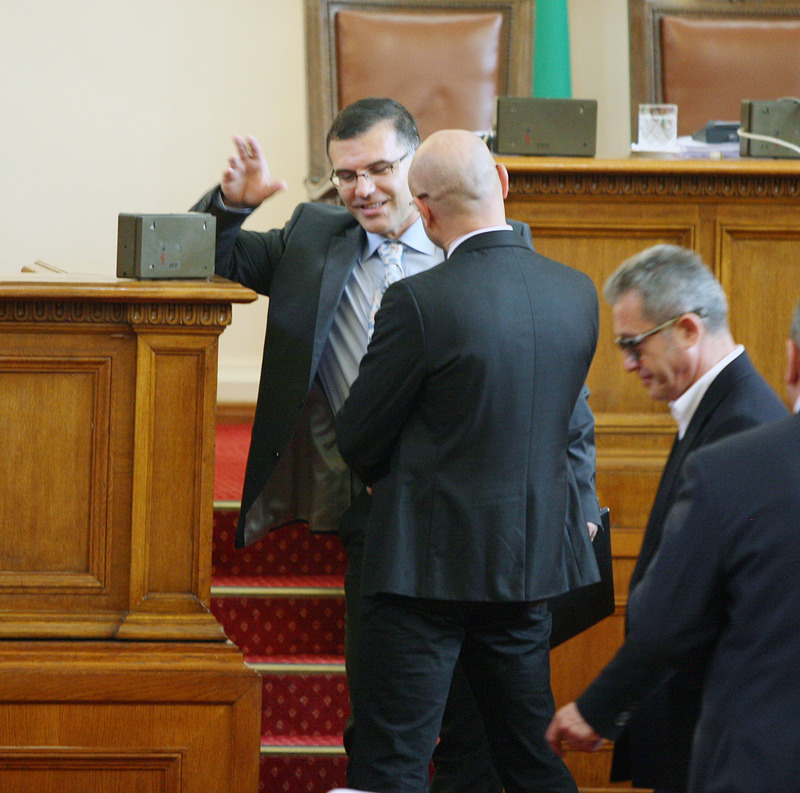
After a period of wagging a stick against citizens, local government and businesses, now Minister Djankov, without shame, showed a pre-election carrot. But this is normal behaviour of all political powers in Bulgaria as the last year of their period in office approaches.
First came the time for people. The government is focusing more on increasing people’s incomes, rather than on reduction of VAT, said Deputy Prime Minister and Finance Minister Simeon Dyankov. He announced that the minimum wage may be raised by more than the planned by 2015 20 lev per year. So far, earnings are doing better than expected – and will increase more, said Finance Minister. And he vowed that not only will minimum wage increase, but also pensions. And this will apply not just for the minimum pensions. This will be envisaged in the budget for 2013.
This, of course, will be valid for workers and those who have extended work experience. For the great mass of people who are unemployed, however, the new situation will not bring any benefits. The unemployment rate in May was 11%, which means that it has decreased by 0.4% compared to April, when it was 11.4%. Given that the crisis left without jobs mainly low-qualified and unskilled staff, a permanent retention of this rate at over 10 percent seems inevitable, and even in time of strong seasonal employment, hundreds of thousands of people will still be condemned to poverty.
Then came the time for municipalities. Those who maintain good financial discipline and show high performance next year will receive additional funds for road infrastructure. By the end of June analyses of the financial position of municipalities will be published. Such analyses will be performed every six months and only then will Minister Dyankov consider to whom and how much to stimulate.
It will be mandatory that the money are not spent on bonuses or extra pay, stated the Finance Minister. For financially inefficient municipalities an automatic mechanism will be provided by which they will not be able to apply for additional funds from the state budget for capital expenditures, added Mr. Dyankov.
Finance Minister continued with his good news and said that probably the limit of municipal debts will be increased by 5 percentage points. Now it can not exceed 15 percent. The ceiling in 2013 will climb to 20% rather than to 25%, as it is asked by municipalities, the minister said. I am prone to raise the ceiling, but I will make the ceiling similar to that of the state government debt to gross domestic product.
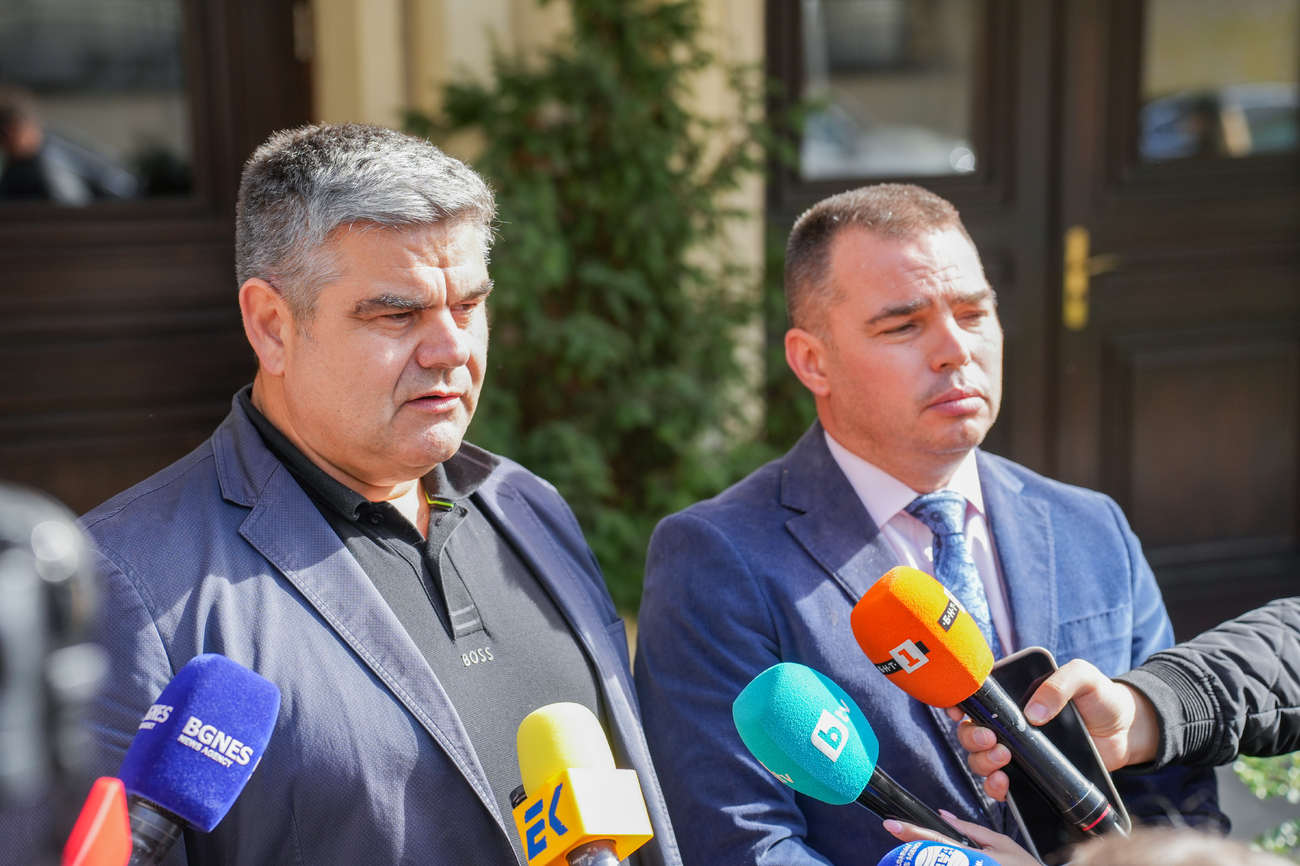
We welcome this step of the Finance Ministry, but we want to have also a second one – to have the limit lifted to a 25 percent level. At present, the absolute amount of loans, municipal bonds and own participation into EU projects is about 800 million lev for all municipalities in Bulgaria. This was the position of the executive director of the National Association of Municipalities in Bulgaria Prof. Dr. Ginka Chavdarova.
Only 20 of the 263 municipalities across the country have violated the Law on State Budget and have afford debt payments of over the 15% threshold, Dyankov pointed out. Chavdarova on her turn said that their number has increased to forty. There are five municipalities, which have accumulated debts of over 20% debt, while the ranking of debt to income is led by Pazardzhik municipality where this ration is more than 200%. She explained further that a removal of this threshold means about 20 million lev in additional resources that are vital to municipalities and form a stable amount, although it can be spent only on additional costs on loans and municipal bonds.
According to her, the current debt of the municipalities, which include loans, municipal bonds, payments for EU projects and interest-free loans taken from the central budget, amounts to 900 million lev . The largest share of this amount is generated by the foreign debt of Sofia – 500 million lev, followed by bank loans drawn from municipalities – at around 240 million lev, and municipal bonds worth about 113 million lev.
The BANKER