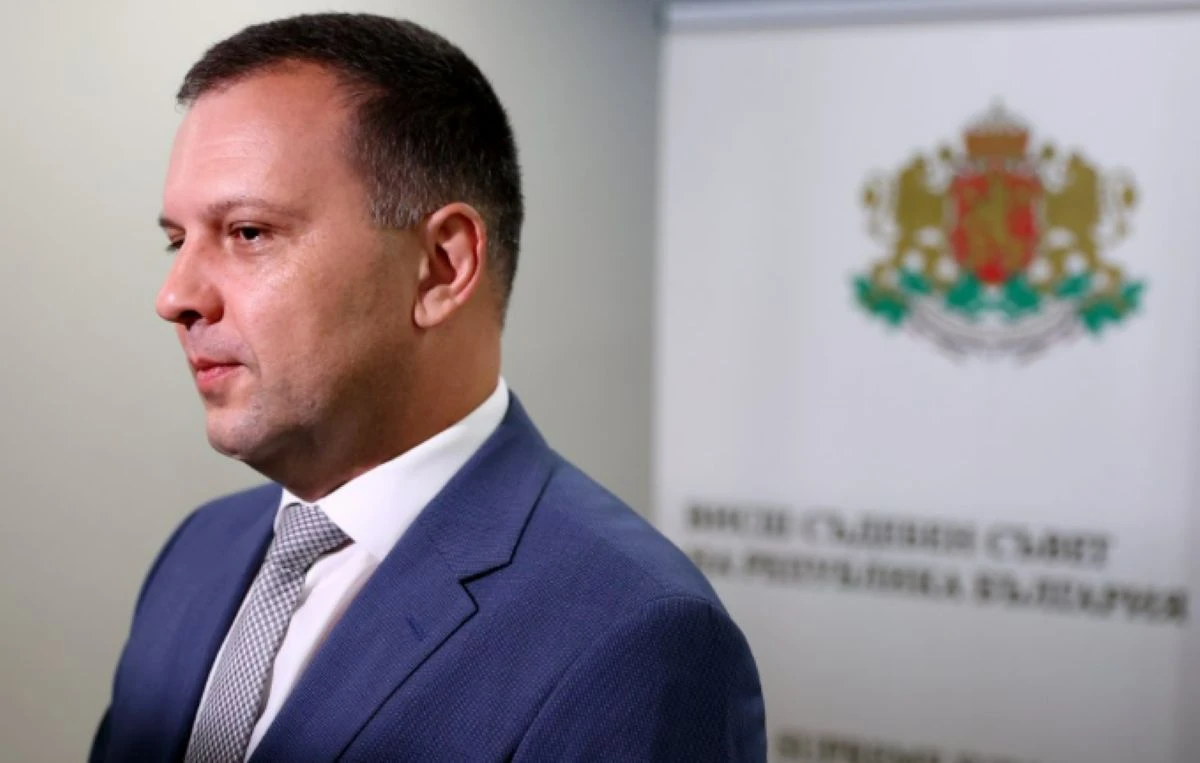

Recently an unfamiliar topic for the Bulgarian financial sector has been brought up – loans with negative interest or loans with face value discounts. Its ideologist is Radoslav Pashov, professor of corporate finances at the University of National and World Economy, the institution that has produced the current Prime Minister Oresharski, Finance Minister Peter Tchobanov and vice PM Daniela Bobeva. The latter said the idea deserved attention, especially as this concerns the Bulgarian Development Bank (BDB) – a bank Mrs Bobeva is in charge of.
Currently BDB has three tools to help small business – The Guarantee Fund, a direct financing of SMEs and JOBS. What is the main problem? The price of the financial resource.
Currently, a small business loan from the Development Bank could hardly be obtained at an interest rate below 13% , says Mr. Pashov. Many banks offer cheaper resources, he warned.
Given the fact that a currency board operates in Bulgaria and the crediting to companies is dormant only BDB is the institution that can support the state and it has made its primary goal the support and development of medium and small businesses The Plan of Mr. Oresharsky envisaged 1 billion levs to be distributed in loans but the channels are blocked. In this situation Mr. Pashov sees the way out in loans with negative interest. The state must take a dynamic approach and as a pilot project to invest in the poorest areas, that are poorest not only in the country but also in the European Union – Northwestern Bulgaria and Smolyan.
You can limit the size of the loan to start a small business to 100,000 levs, while the age of prospective entrepreneurs – up to 29 years. The lender may offer a contract for example for 90,000 Bulgarian levs and will grant 100,000 levs. This is the only in to revitalize these areas – so that they may become attractive for local people with entrepreneurial spirit, explained Mr. Pashov.
Who and how will however cover the difference of 10,000 levs in this scenario?
Financier Pasjov says that the elsewhere in the world this happens through risk capital funds with at least 51% participation of the state. This fund could be a fourth instrument for funding BDB. Its place is within the bank so that the bank may monitor and provide technical assistance. In Bulgaria, however, a law for risk capital financing should be introduced, to say exactly how the state provides the guarantees. A risk analysis may determine what the exact extent of a negative interest rate can be – 10 percent, as in the example, more or less.
The idea, if accepted by the government, would likely lead eventually to cost savings from paying out social benefits and combat unemployment by actually increasing employment in the short term. A Bulgarian version, however, can be used to line the pockets of nepotistic companies close to the Government which may have almost no effect on growth, insiders comment.
The BANKER