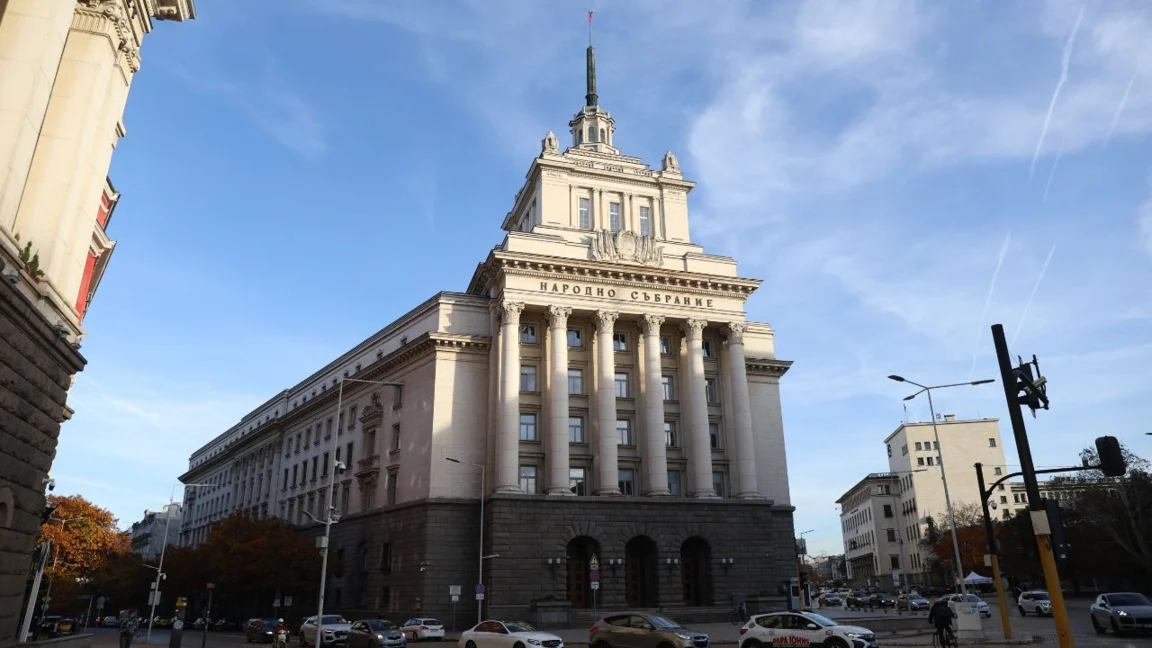

Although with a two months of delay, Government did prepare the third package to reduce the regulatory burden on businesses. The document contains 27 measures, most of which to the surprise of everybody were offered by the Minister of Investment Planning Ivan Danov. They are aimed primarily at improving the investment and construction process. There are measures to reduce the number of requested documents from individuals and corporate documents, to simplify procedures and shorten deadlines for submission, reduce the size of some fees, and expand opportunities for submitting documents electronically.
Most of the proposals, though, are unlikely to become a reality soon as they first need to be reflected in the relevant laws as draft bills and only then can the National Assembly approve them. It is not entirely impossible that many of the proposals may not be passed as they drastically affect the interests of municipalities.
The biggest disputes and discussions will undoubtedly be provoked by the idea of Minister Danov to take over the functions of local government authorities to issue permits for placing movable trading outposts and other service stations. The official argument is that now in every town businesses work under different rules and a centralization and unification of the rules, except for businesses, would also be beneficial for municipal administrations, because they will not have to develop regulations. But in fact behind this proposal transpires the so called „Lafka amendment“. As it is known, the chain of kiosks selling newspapers and cigarettes, Lafka, is owned by Tabac Market – subsidiary of Bulgartabac and the expanding of its market faces resistance in some communities. But if the powers be transferred to the Ministry of Investment Planning, this problem can be solved cardinally.
Minister Ivan Danov wants to banish the municipal officials from the process of opening construction sites of the fourth, fifth and sixth category. The explanation in this case is that because of the volume of workload of the municipal bodies the permits for opening such sites are unduly delayed, and in fact their presence is unnecessary, as it represents a duplication of functions with the surveyor and the builder.
The next measure that will surely make local leaders hit the roof is related to fees for coordination and approval of investment projects and the issuance of building permits. Now, the Stamp Duty Act and the respective regulations set a uniform tariff, if the authorities are district governors, the Minister of Regional Development and the Minister of the Investment Planning. For the same service, however, at a local level fees are collected, too, and their extent is determined by an ordinance of the respective municipal council that may vary widely and in some cities the fees are quite high. The proposal of Mr. Danov is all such fees to be unified and determined by him, which will undoubtedly deprive municipal budgets of substantial revenue. In addition, as a step towards less bureaucracy, the Cabinet wants to change the Law on Local Self-Government and Local Administration, so as to fully clarify the conditions under which municipalities may establish and administer regulatory regimes.
The BANKER