
The slated for abolishment regulatory regimes still sap over 100 million levs a year from businesses and citizens, and the execution of dozens of measures is delayed, often for unclear reasons. Recently the authorities decided to impose new financial burdens on those who appeal procurement decisions before the Commission for Protection of Competition (CPC) and the Supreme Administrative Court. So thousands of companies will be burdened with tens of millions of levs if they decide to defend their interests. This entire, quite solid revenue will flow into the Treasury and go to bonuses of officials, as often happens in Bulgaria.
The fee for the appeal proceedings before the competition authorities has been increased more than tenfold. Depending on the reasoning, until recently, the charges varied between 850 and 1,700 levs. Under the new tariff plan, however, the appeal will cost 2% of the estimated contract value, but not less than 850 levs and not more than 15 thousand levs. This means that every order for more than 750 thousand levs can be contested against a deposit of 15,000 levs.
The main motive of the rulers for the introduction of these higher fees is that it will reduce the number of appeals, whose sole purpose is to delay the implementation of some projects. It is true, that so far, many companies involved themselves in these procedures just to delay for months and even years, the construction of a road, for example. There were cases when the appeals brought before the CPC were used as a bargaining chip between the companies themselves. But it is debatable whether these problems will be solved exactly by the appreciation of the appeal proceedings. Dirty tricks usually are made by big players competing for multimillion projects and those amounts will not be a problem for them. One should not miss the fact that most complaints (80%) were filed for decisions related to construction, which are of higher value.
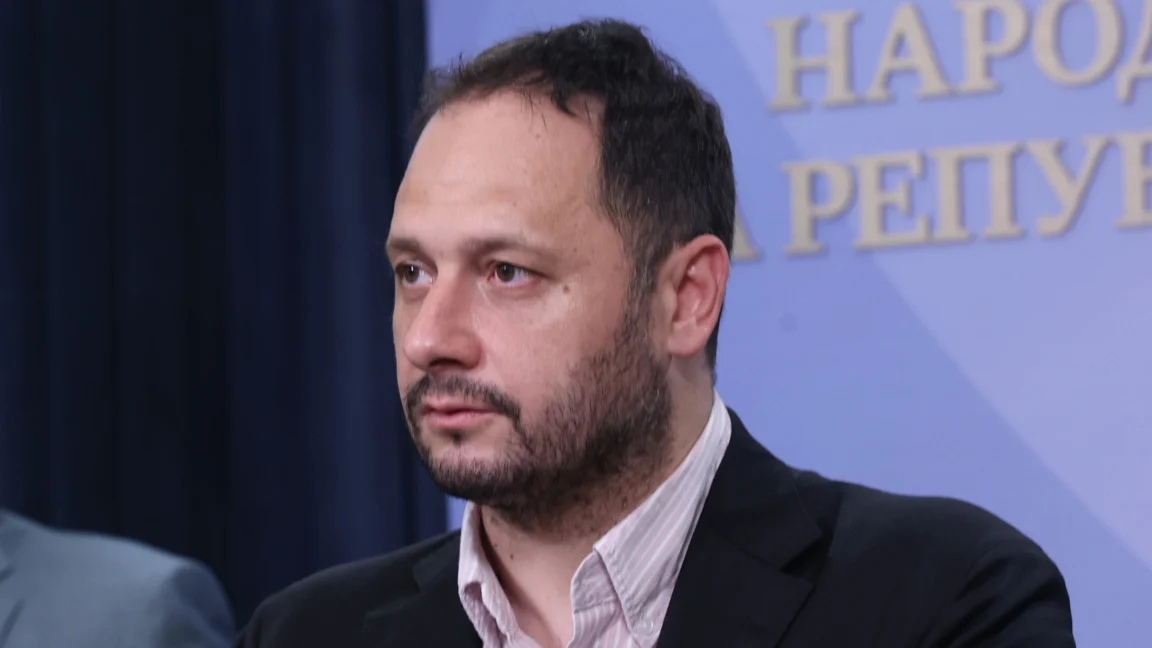
Small companies, of course, will be impeded by tariffs, but one should not forget that they are fighting for a far more modest contracts and for a project with an estimated value of 200 thousand levs „the price for defending own interests“ of the complaint will be just 4,000 levs. Perhaps that is why the President of the Commission for Protection of Competition Petko Nikolov does not expected to have a great reduction in the number of complaints. According to him, when there is interest, the companies will still appeal regardless of the fee. But even assuming that a third of companies may waive their rights to challenge any decision of the administrative authority, the proceedings in absolute numbers will not decrease significantly. The reason is that every year, the announced public tenders increase by about 20%. If for 2012 they were 10,129, in 2013 their number increased to 11,939. For 2014 the expected number is for at least 13,500 tenders (from the beginning of the year the state has opened over the 7,700 competition procedures). Statistics showed that the about 15% of the tenders per year land at CPC with an appeal. For 2013, for example under its scrutiny were 1,800 tenders. In 2014 this number is likely to stay the same as new tariffs came into force only on July 9. Next year again, when the number of tenders will grow to 15,000, the complaints will hardly be below 1,500. And, as it can be expected, at least 80%, or 1,200 will affect contracts worth over 750 thousand levs and hence their appeal will cost 15,000 each. Simple calculations show that the state will collect thus from companies about 18 million levs. For comparison, in 2013 revenues from such fees were just over 1.5 million levs.
However, this is not the whole picture. The decision of 9 July hiked also fees for cassation proceedings and interlocutory appeal before the Supreme Administrative Court. In the first case what will be due is 50% of the amount paid to the CPC and for interlocutory appeal – 10% of the amount before the antimonopoly authority but not less than 100 levs. Given that at least half of the proceedings actually land to the desks of magistrates, one can safely assume that the businesses will have to earmark another 8-9 million levs on that. The difference is that this financial injection will be for the court, which previously took a modest 50 levs as a fee for a ruling.
The BANKER