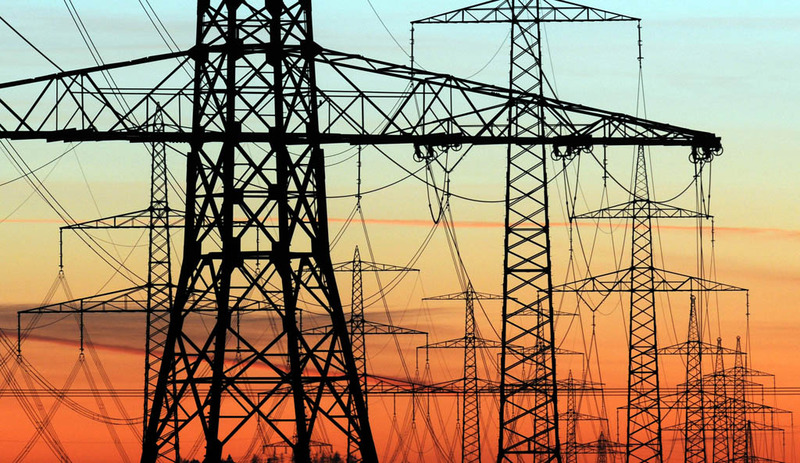
With the turmoil around pricing of electricity and heating the public attention was somehow diverted from the onset of liberalization of the market for all customers.
In practice on June 1 the current situation gave birth to the so-called balancing groups. The process of liberalizing the internal electricity market was built on the model of bilateral contracts and a balancing market. That is, consumers are seeking to enter into contracts with delivery schedules of quantities of energy close to their expected consumption, and manufacturers are required to produce these schedules as pre-agreed amounts. However, when it comes to a gap between forecast and actual consumption, a user will either have to pay far more to get immediately what they need as energy or sell on the cheap the one that comes in excess. And that is why the market includes the balancing energy segment, which governs the imbalances.
Large power producers will settle their relations with dealers in the so called standard balancing groups. They have been in fact actually already working in a liberalized market for years and know how to settle things. Far more complicated is the situation with customers who are on the regulated market. For them the responsibility would be of distribution companies in the role of end suppliers (to households) and providers of last resort (for units of non-household customers connected to the distribution network of medium voltage). This will be done in terms and conditions as approved by the regulator and will now only apply to businesses. But the trend is to embrace liberalization for domestic consumers, too.
The introduction of the balancing energy market on all transactions, of course, entails also costs that are not intended and are not included in the price of electricity for households and small and medium businesses. For these customers this suggests an inevitable raise prices of about 5-7 percent as previously explained by Victoria Popovska, Manager „Energy Market “ at the Central Dispatching Unit of the Electricity System Operator. She gave examples with the organization of markets for balancing energy in Hungary and Austria. Though they differ organizationally, both generally employ the principle end customers to pay through prices for all costs, including those for balancing. On the Hungarian market, these costs are included in the transmission of the energy operator, in Austria they are a direct component in the price of electricity.
In Bulgaria another option was preferred. From June 1 customer providers of last resort and producers of electricity from renewable energy sources and cogeneration plants will bear production costs caused by them to balance the market. The costs will be determined based on the methodology approved by the regulator. EVN has already alarmed that no similar obligation was set to the customers of the end supplier, contrary to the principles of equality and non-discrimination.
The BANKER