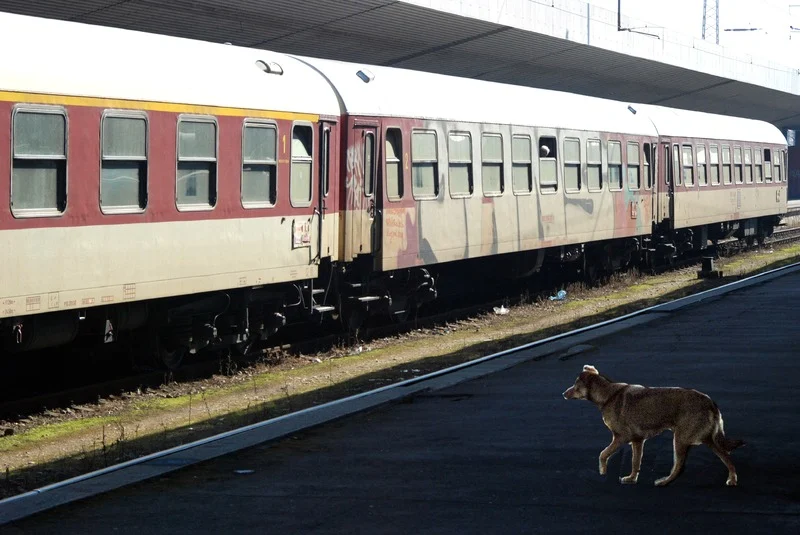
First step towards the creation of a monopoly in railway was made by state administration last week. At its regular meeting on Wednesday (February 6) The Council of Ministers proposed to the National Assembly to make changes in regulations governing the activities of the sector.
The main correction is that it removes the current ban the company that manages the railway infrastructure – currently the National Company Railway Infrastructure (NRIC) – to execute railway transport. If the management of the company is taken over by a concessioner, it will also be allowed in parallel with this activity work as a carrier.
Most railway experts believe that the underlying purpose of this exercise is the unification of the facility owner with the carrier BDZ similarly to the case with these structures in Austria, Belgium, the Netherlands and Italy. Another question, however, is how Brussels will view these intentions. The management of the infrastructure must be separate from the operation of transport services. These units must have legal, commercial and financial independence, Commissioner on Transport Siim Kallas has repeatedly declared. And now the European Court in Luxembourg is filing a case against Germany and Austria, who have concentrated the ownership of railways exactly according to this model.
The ruling, however, make an explicit statement that the draft law in question does not bring NRIC and BDZ together, and includes provisions that ensure managerial independence of railway undertakings as defined in the EU law.
However, there is a loophole in Council Directive 91/440/EEC, which allows in the separation of railway infrastructure management from the provision of railway transport services the only requirement to be for separate accounting, while the organizational or institutional separation is still a choice of the Member State.
The other amendments make it possible for the carrier to assign officials to issue acts of infringement for traveling without a ticket or failure to pay a fine for the offense. Currently traveling without a ticket is a common practice among many travelers in suburban areas, from which BDZ loses thousands of euros each year.
It also provides the head of the transport company to issue decrees and acts for violations. This will overcome difficulties in collecting amounts due by rail passengers traveling without ticket and will allow for effective control as well as for prevention of misconduct on behalf of the persons using the railway reads the reasoning of the bill.
The BANKER