
The seemingly enormous at first glance external debt of the Bulgarian economy had apparently reached its peak and has begun to decrease in size. Huge this time means the staggering 37.35 billion euro, which was its level at the end of March 2013. These are the external liabilities of the country, commercial banks and all government and private companies to foreign creditors. The sum includes not just the direct financial loans or issued bonds. This includes the so-called trade payables – deferred payments for supplies of goods and services.
By 2011, the gross external debt would not stop growing. After that its level showed
fluctuations of about half a billion euros
a year. They largely depend on external financing receivables paid back and again taken by commercial banks. For example, in the past 2012 the government domestic debt has increased by nearly 600 million – mostly because of the issue of five-year bonds that the government launched at the beginning of June. Its total amount was 950 million euro.
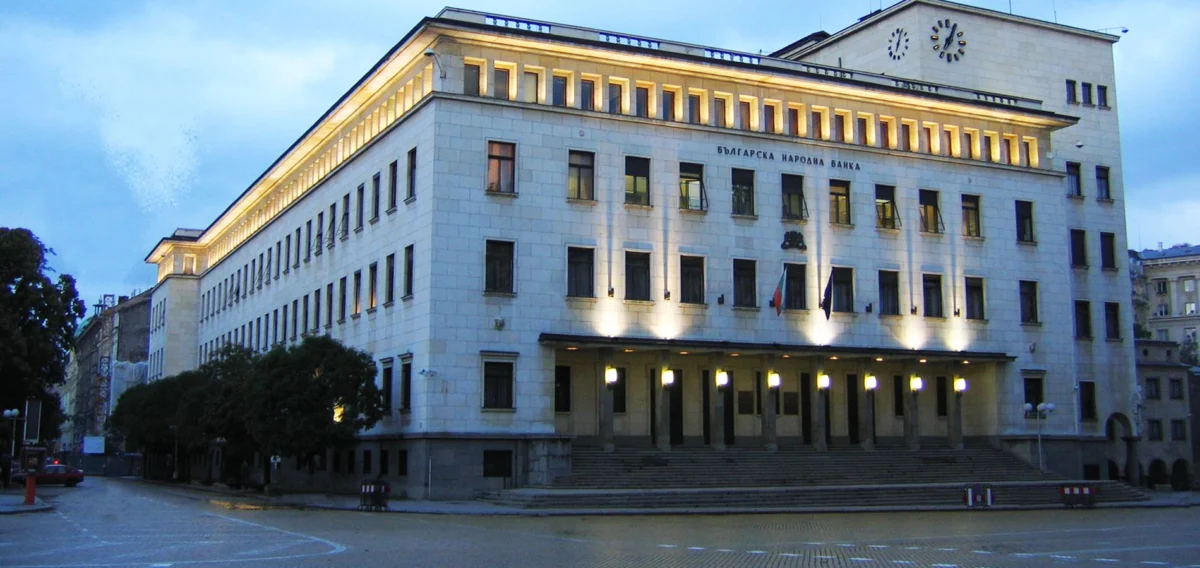
In early 2013 Bulgaria repaid global bonds with a nominal value of EUR800 million. These amounts can not be seen in the reports of the Central Bank. The reason is that the C-bank reports as an external only the public debt held by foreign investors and the majority of the debt issued in 2012 worth 950 million euro and the repaid in January 2013 bonds worth 800 million euros were in fact owned by Bulgarian banks. So this part of the supposedly issued on foreign markets government bonds are kept as internal debt by the National Bank. Unlike the methods of the Finance Ministry, according to whose the bonds in euros and dollars are reported as debt – whether owned by Bulgarian or foreign entities.
These details are important to know, because the statistical reports of the two institutions hide
differences of between 500 and 600 million euro
According to the National Bank, the total government debt at the end of March 2013 was 3.2 billion euros, and the Finance Ministry says it was 3.8 billion. For the sake of clarity and accessibility of information the data of the Ministry of Finance are preferred. However, it does not collect or provide information about foreign debt of the private sector. These figures are provided by the C-Bank. And that is why it is very important that the base data relating to gross external debt beprepared and calculated by one institution. The publication of this information must be accompanied by a detailed explanation of all the important details of the methodology, which made the relevant calculations. Because if there are uncertainties in the data on government debt, where is the guarantee that such a problem does not exist in respect to the
external liabilities of private companies.
And it should be clear that the vast majority – 27.74 billion euros of the gross external debt of the Bulgarian economy is due to private companies. Some financiers say these data are not correct, because many companies do not count as foreign the investment money received from their foreign owners. Experts from the Central Bank, however, argue that this is unlikely because if a foreign investment – whether direct, an intercompany loan or direct credit from abroad – is not recorded in the Bank under the Currency Act, then the lenders would hardly be sure they can collect their money back. The reason is that the registration of large currency inflows from abroad to the country usually triggers a procedure for checking for money laundering. And if the lender or the investor who receives these amounts has not registered the loan with the C-bank it cannot show what legal reason the transfer had. The Currency Act also envisages penalties for missed registration of foreign investment or loans from abroad.
In any case here another interesting question arises. Could foreign financing for Bulgarian companies (27.74 billion euro) be greater than the loans they obtained from Bulgarian banks – 38.14 billion levs (about 19.56 billion euro). According to some experts, some of these seemingly foreign investment will be Bulgarian capital exported abroad that returns to Bulgaria as
financing from offshore companies.
Similar investments are claims, often from offshore entities, that appear immediately after bankruptcy proceedings against some companies are started. Often thus the owners of the bankrupt company are trying to offset the claims of incumbent lenders and try to invalidate their collateral. The problem is that in the EU now the ownership of offshore companies remain untouchable. And this is why the Central Bank cannot sort out the real foreign investments from those with Bulgarian origin.
Ultimately, however, the most important thing is whether different sectors may actually handle these huge foreign debts. The comparative analysis of the data for the first quarters of 2012 and 2013 shows that the financial burden on private companies for repayments of interest and principal on loans obtained from abroad decreases.
The BANKER