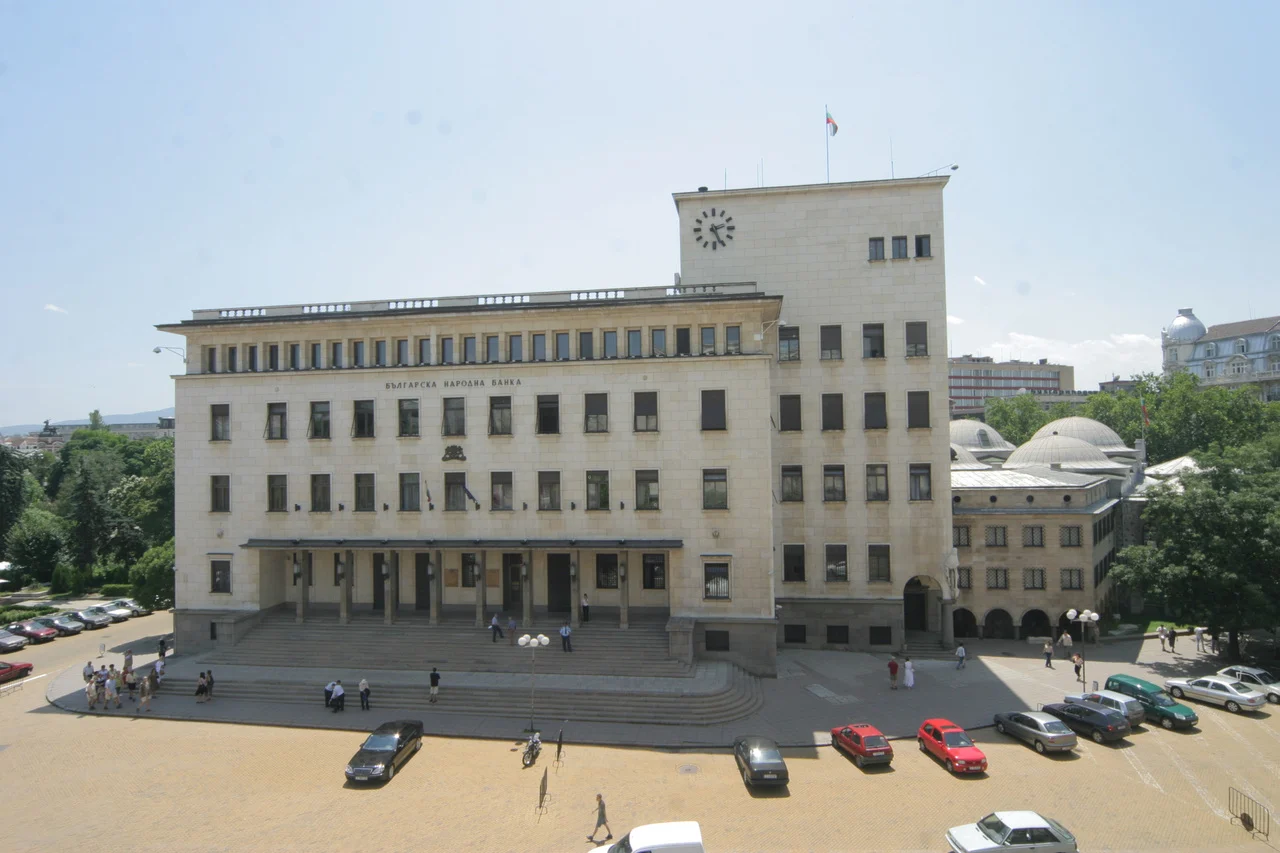
The National Bank of Bulgaria (BNB) has taken serious measures to evaluate the effectiveness of banking supervision, said Governor of the Central Bank, Ivan Iskrov. In this case the question is not about the widely propagated (mostly by politicians) country's accession to the common Bank Union and the European Mechanism for Banking Supervision. To do these two things the government should take appropriate action, after the blessing of the National Assembly. Such steps have not been made. And no one in the EU has shown that they are eager to accept Bulgaria into the Ban Union or into the European single supervisory mechanism. For the participants in these two structures – and this are especially the countries of the Eurozone, Bulgaria represents a serious reputational risk.
According to Iskrov, the Central Bank still has done a few things. "In the summer we publicly announced measures and actions in connection with a review of the prudential framework and practices. In July we sent a formal letter to the EBA with an invitation to perform an independent review of the quality, capacity, practices and procedures applied by the Banking Supervision Department of the BNB. In August, we sent a letter to the International Monetary Fund (IMF) with a request to organize a mission of the IMF and World Bank in Bulgaria under the programme for assessment of the financial system (FSAP). Upon the recommendation of the IMF, the World Bank and the EBA, the Banking Supervision department is already engaged in assessing the compliance of supervisory practices in Bulgaria with basic Basel principles for effective banking supervision as a first stage of the FSAP", explained the C-Bank governor. What is in fact this assessment? BNB is filling in long forms with questions, answering to the IMF and World Bank who will consider whether banking supervision comply with Basel standards. If the answers are not satisfactory both international financial institutions will organize their checks here. It will be very interesting what will happen if after all what was said about the Central Bank, its work is proven to be adequate and it respected in his work all the needed standards.
According to Iskrov, the Central Bank has already developed and proposed to MPs draft amendments to the Law on the BNB and the Law on Credit Institutions. Through them the state may remove the existing weaknesses in the regulatory framework which are preventing now the BNB’s Governing Council to exercise greater control over the implementation of banking supervision. We have not yet seen these projects submitted to the National Assembly and their very content will be quite interesting. Because under the pretext that changes to the Bank Act aimed at expanding the powers of the C-Bank board of directors, this legal document can actually make a bunch of changes that serve very different purposes.