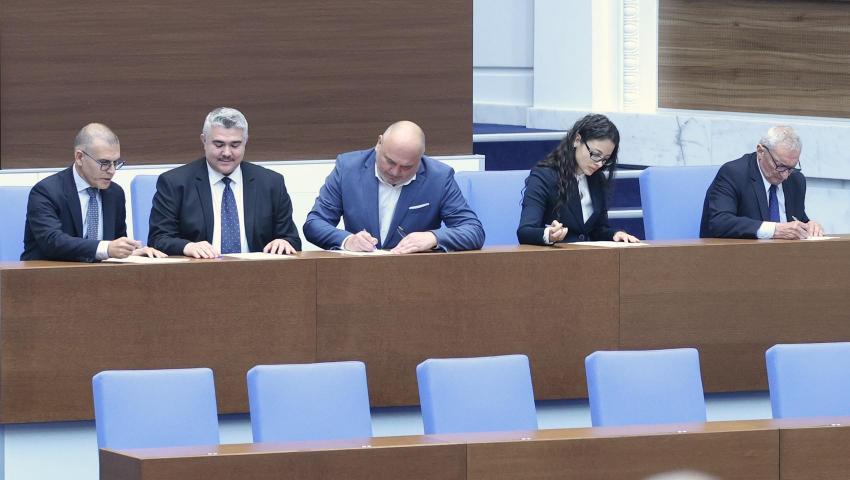
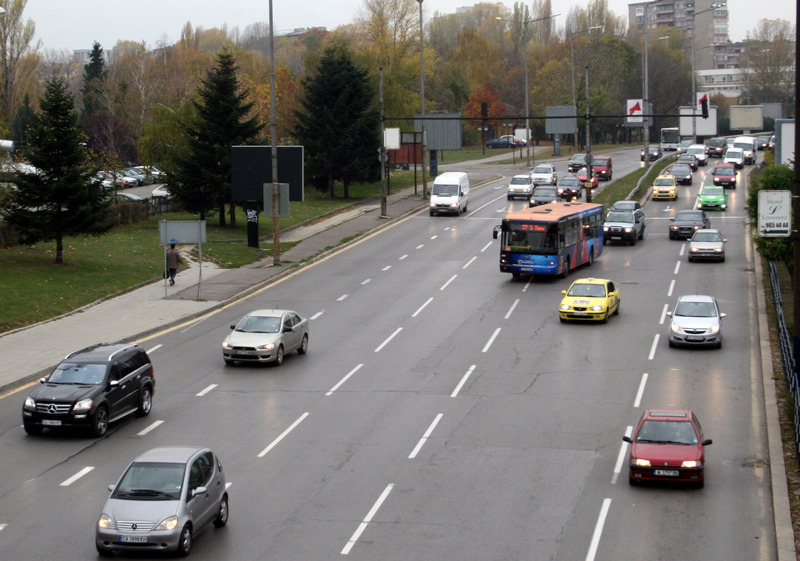
The catalytic devices will cease to be a factor in determining the tax on automobiles. At an extraordinary meeting on Tuesday, Parliament passed a dropping of the current text, regulating that for vehicles with an engine power up to 74 kW incl. and fitted with active catalytic devices, the tax shall be paid at a 50% discount. According to the change for small cars complying with the environmental categories Euro 3 and Euro 4, the tax will be paid with a 30% reduction and those matching Euro 5 and Euro 6 standards – with a 50 % discount.
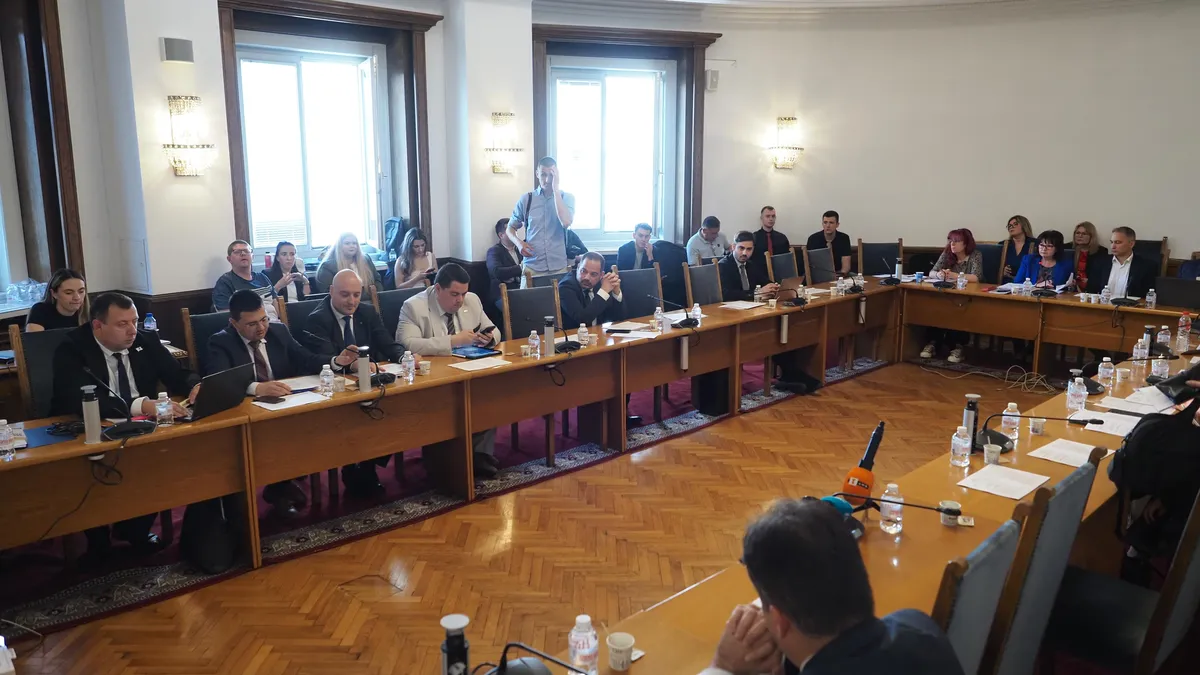
There was a lot of tension during the voting. MPs did not pass these changes in the local taxes act on the first reading. This happened at the second reading, with the votes of the now ruling socialists and the ethnic Turk MRF. Part of MPs from GERB abstained, others voted against. Against the changes were MPs from nationalist Ataka.
Chairman of the Budget Committee Yordan Tsonev had a hard time agitating for the change. He acknowledged that the removal of the incentive will affect the poorest citizens, and said that there will be suggestions on how to help. Tsonev however clarified that the move concerned cars older than 8 years while a catalyst had a lifespan of up to 6 years, which in practice meant that for the cars produced before 2007 it was impossible to speak of an active catalyst. On the other hand, in Bulgaria there was no system able to prove that a catalyst works – the authorities took it for granted only upon a declaration by the owner. According to the logic Mr. Tsonev, the state can no longer pay for an environmentally-friendly solution, provided that such does not exist.
MPs tried to find ways not to hike the taxes for the poorest, but Mr. Tsonev said the option not raise taxes for these people should not be in the form of a preference.
Churches, prayer houses and monasteries will not pay garbage fee, envisage other changes to the Local Taxes and Fees Act. Tsonev explained the changes with the fact that temples have long ago stopped paying these taxes and the outstanding debts were an obstacle for them to request documents from local authorities. The bill provides tax exemption on real estate taxes and property acquisition of temples, prayer houses and monasteries, which are used for worshipping and the same exception for the land on which they are built.
Tsonev expressed his astonishment at the speeches of some MPs against this tax relief because according to his information all political parties declared a firm commitment to free the temples of the burden at their meetings with Patriarch.
Tax relief for young families remain untouched. Their range has even expanded, as adopted on first reading by Parliament. The amendments offered tax relief for young families to be used also by foreign natural persons resident for tax purposes in a Member State of the European Union or in another State that is a party to the Agreement on the European Economic Area.
According to the EC a tax relief for young families creates preferential tax treatment on the income received by resident individuals in Bulgaria, against those who, although they receive much of their income in Bulgaria, are resident for tax purposes in some other EU Member State, reads the draft bill.
The BANKER