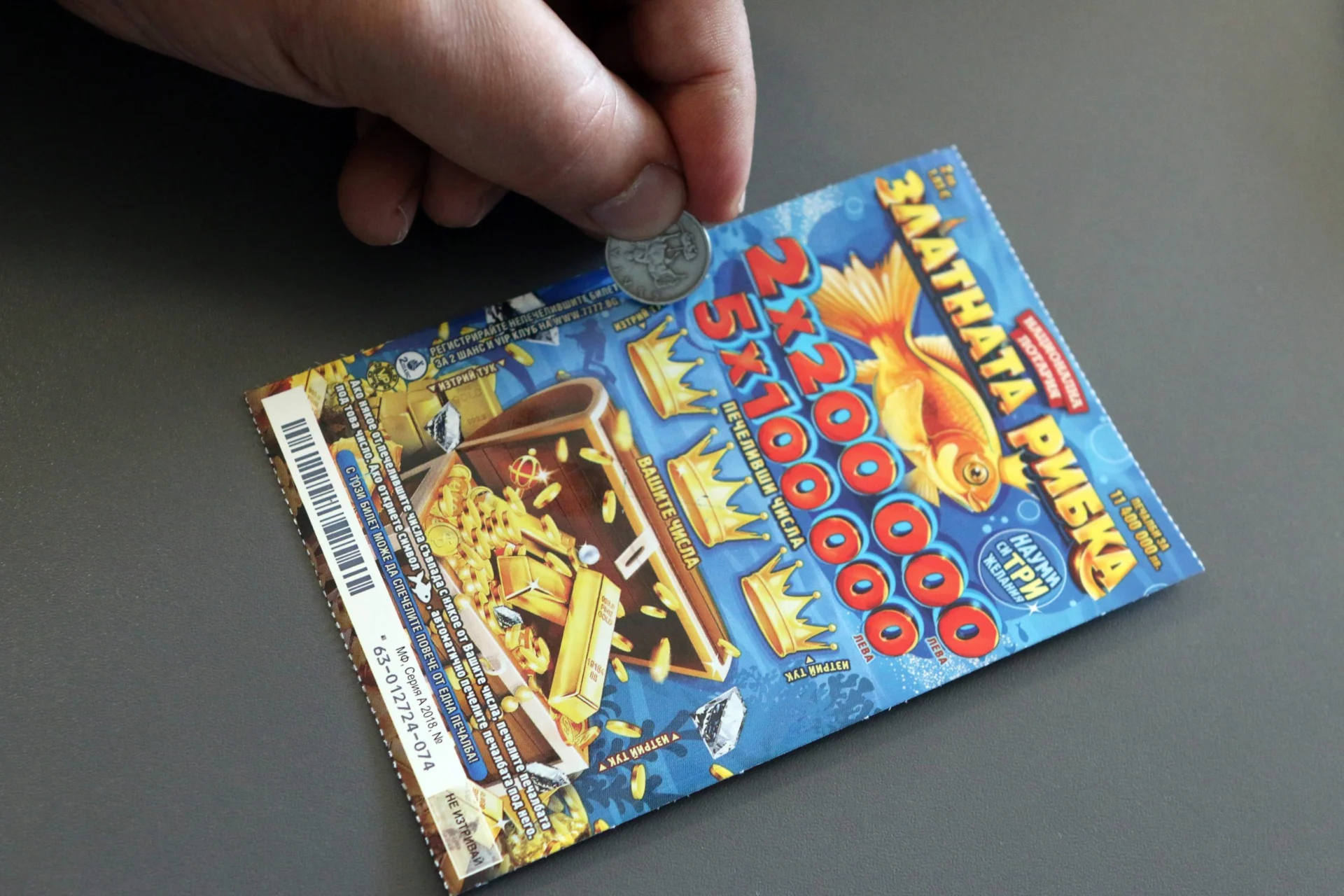
A considerable part of the public space pollution with fine particulate matter is due to the scrubbing of tickets of chance. The silver-gray dust released during this process not only fills the pockets of selected people, but also leads to a complete brain meltdown of the Bulgarian population.
Easily explained Bulgarian mysteries, related to money, spring from anywhere. There was even an example of state protectionism over one person. To the shame of investigative journalism, with a huge delay recently, it has become known that due to some " legal holidays" in 2014, Vasil Bozhkov’s "National lottery" and "Lottery Bulgaria" saved 30 million in taxes. The gap was fixed in the next 2015 , but protectionism over "native" gambling business has continued to this day. Global gambling giants that would bring tens of millions to BG Treasury are not allowed to get a license. And no one feels obligated to explain why.
We have short-term memory and don’t look at the big picture. But perhaps some remember that the Gambling Act was repaired in 2013 and since the beginning of 2014, the way gambling has been taxed has changed: activity-specific tax – 15% on turnover for land-based operators and a 20% fee on the difference between the bets received and the winnings paid to the online organizers. The amendments, however, "missed" bingo halls, raffle organizers and lottery games. Subsequently, the deputies defined their actions as "neglect" but for a long time they did nothing.
It was not until November 13, 2014 that the confused Budget Committee of Parliament considered a "omission" – namely that raffles and lotteries were not taxed like other gambling. (The amendment was proposed by the socialist George Kadavy in March during Oresharski Government and warmed up in the new parliament at the time of Borisov-2.)
In fact, the project proposed by Kadiev did not provide for changes in the way online gambling and physical betting businesses are taxed. But with it, lottery games would be explicitly introduced into law – where how to tax their turnover is described.
Seven months after changes were made to the old Parliament and then to the new one, the Finance ministry turned out to be without an opinion on the subject. Therefore, initially the majority of MPs rejected Kadiev's proposal.
The "omission" was , however, fixed by the Borisov 2 office, albeit with reluctance. On December 5, 2014, the amendment was voted in second reading, this time it was the merit of a new importer – the GERB MP and the head of the Budget committee in Parliament, Menda Stoyanova.
Let's look at things from the current point of view and measure MPs’ negligence in income.
A report from the State Gambling Commission shows that in 2015, a lottery tax amount of BGN 37 million was collected, while a year earlier there was not a cent of revenue in this column. The one-year tax holiday granted by the MPs in 2014 damaged the budget by more than 30 million levs. The bill is based on the 15% rate that is already due and according to estimates, the size of this business for the missed year amounted to about 200 million levs.
When Kadiev was submitting the amendment, he thought that the lotteries tax revenues would add an additional 5 million levs to the budget. He was an extreme pessimist.
Two prime ministers, Oresharski and Boyko Borisov helped prosper the business of the two private lottery companies. The latter allowed this type of gambling to be sold everywhere and its turnover to reach hundreds of millions of levs.
The Gambling Committee's data shows that its total tax revenue jumped 56% to BGN 94 million in 2015. However, if the above-mentioned 37 million of instant lottery tickets are subtracted from them, there would be an overall decrease of 4 percent.