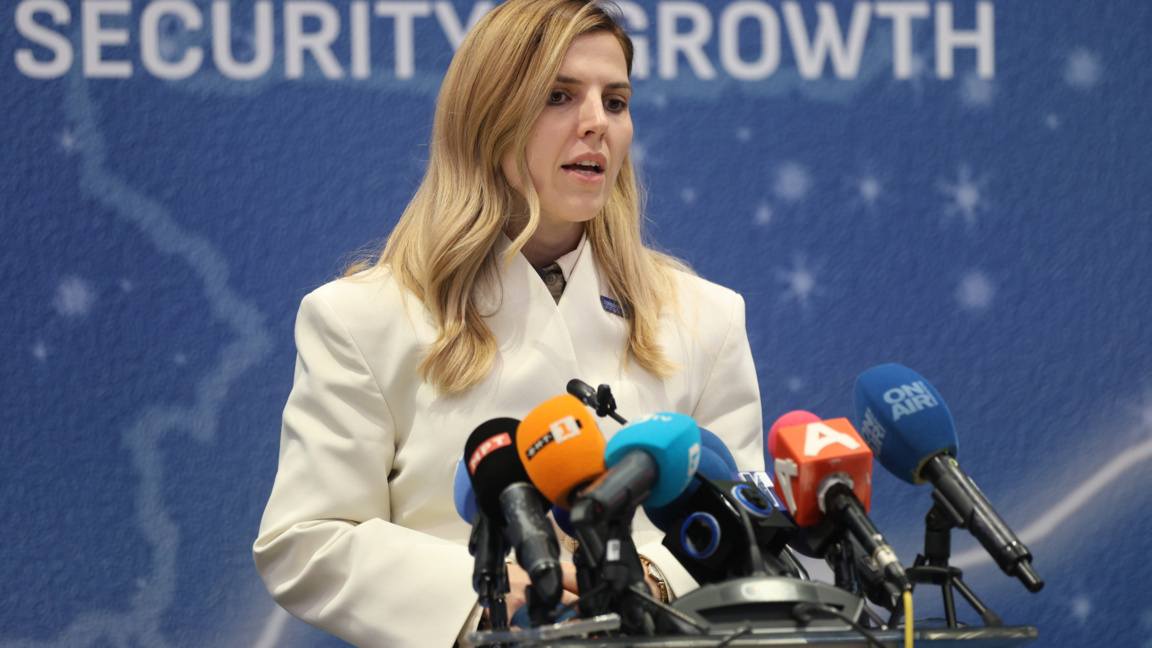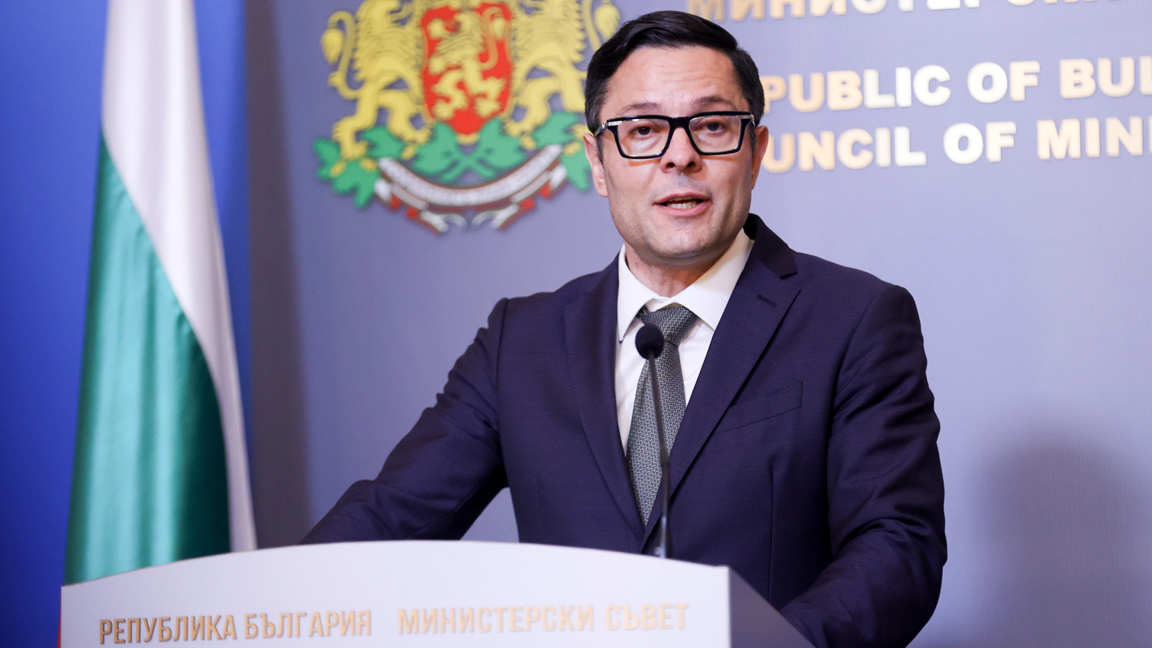
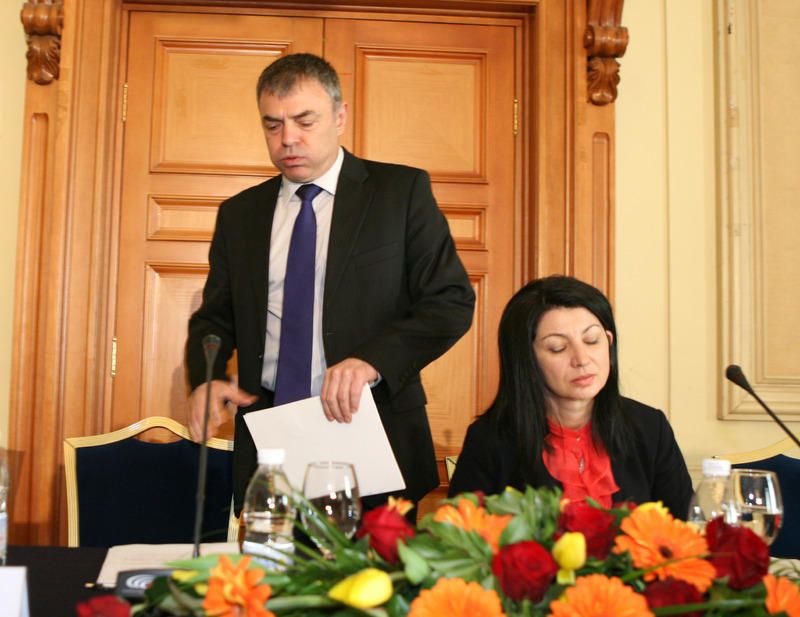
A sum of almost BGN170 million has gone so far to implement reforms in education and training, but the state is to spent twice this amount, according to figures from the National Reform Programme (2012-2020). Expanding access to education, retention of students in the system and raising education levels are among the priorities of the state policy in the sector. According to deputy Minister Petya Evtimova key steps to implement reform in preschool and school education will be the introduction of compulsory pre-schooling in 2016/2017 for everyone who is 4 years old and an organization of a whole-day schooling to pupils up to seventh grade, increased mobility and effective financing. It is also planned to be bestow autonomy to the management of kindergartens and schools where all children are to play a more active role, as well as parents and the teachers.
Professional schools will be transformed from state managed to municipal and the enrolment rate will be determined based on the needs of the region. State educational standards will remain in force, and they will create centres for personal development and support, introducing also a mandatory external evaluation at each stage of school education and training of teaching staff. Some of the measures have already been incorporated in the draft bill for pre-school and school education.
The higher education system would also have to be improved through further developed and more effective funding models. They will be oriented to the results of the educational process and the students’ subsequent placing on the labour market. The state plans to expand opportunities for student scholarships and loans to establish flexible learning forms and to ensure a smooth transition between secondary and higher education. An educational goal will be 20% of newly graduated university students by 2020 to have had a study period abroad. The intended reforms are set to be included in the higher education bill, which is expected to be published in a month.
The programme, whose budget is EUR3.1 million, envisages updating of the textbooks according to labour market needs. The aim is to achieve social demand for business professionals with specific qualifications. Over 73,000 students will be included in the Students and Student Practices scheme by October 2014 . The latter guarantees 240-hour paid internships in selected Bulgarian companies. Its budget is EUR45 million.