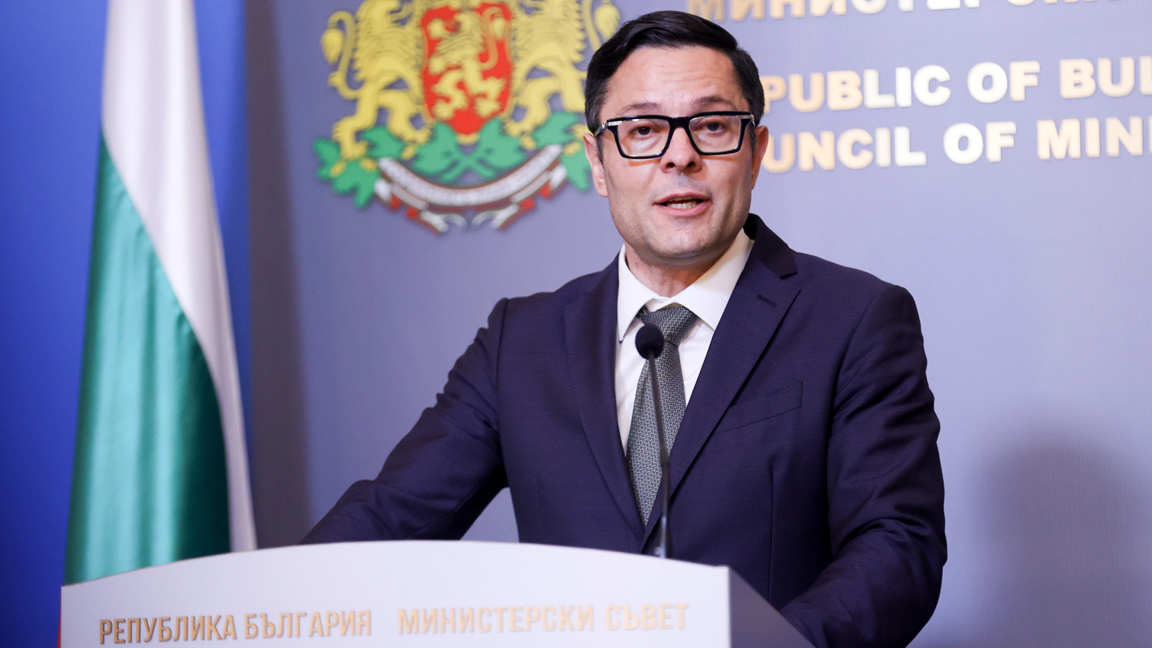
Many of the Bulgarian lowest-income pensioners will get their pensions raised from BGN136 to BGN145 per month as of June 1. This is in practice the start of the next stage of the pension reform loudly proclaimed by GERB party, and it will have to be completed by 2020. Then a plan is that by then Bulgaria will have a stable system and BGN6 billion more in the budget of the National Insurance Institute. Among the objectives of the government are measures to eliminate the negative effects of aging, lifting of the insurance thresholds by an average 5.9% takein into account differences in the various economic activities as well as increasing the income efficiency. Finance Minister Simeon Dyankov even graciously promised that if the economic levers work, all pensions next year will be further increased.
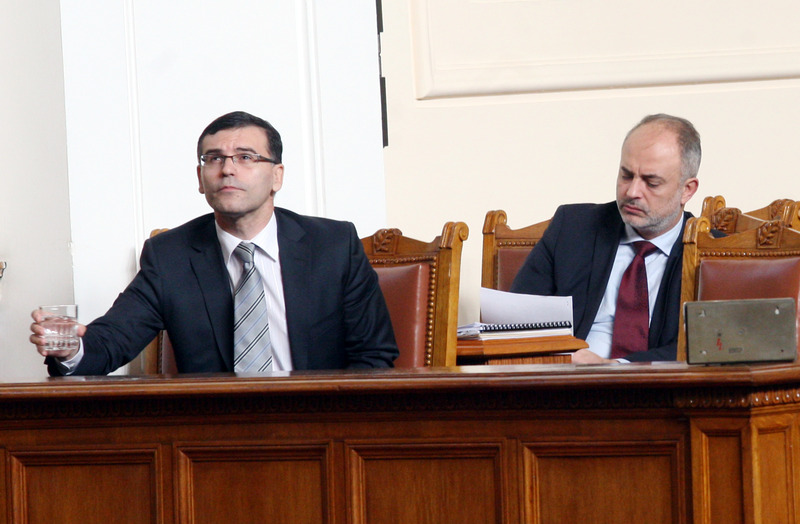
The Cabinet apparently does not believe in the success of the initiative, but by all means seeks both to defend its new retirement plan as well as attract the oldest electoral groups in the period before election. From this situation some misunderstandings have been born as Mr. Dyankov and Deputy Social Minister Mladenov only within two days managed to express diametrically opposing views for the hiking of pensions. Firstly, the financier No 1 said that all pensions in the future will be updated according to the Swiss rule, which he himself had recently abolished. According to this rule, pension indexation takes into account 50% of inflation and 50% growth of labour productivity for the previous year. Almost at the same time Mr. Mladenov said that an increase according to this formula has not been envisaged in the budget, which is true. The Law on Budget of the State Social Security Sustem 2012 and the Social Security Code say that pensions shall depend on the rate of inflation. Later, Mr. Mladenov added that in case of higher social insurance revenue, the changes proposed by Minister Dyankov will be considered, which may actually take effect as of 1 July 2013.
As far as the retirees are concerned, they are in both cases most likely to lose. If the only indicator remains that of inflation, this means that the increase in pensioner income will be solely based on the results of a controversial government statistical figure. The dramatic increases in food prices and products of first necessity is calmed down by the fixed rates of 500 other products such as mobile phones, repair services, taxis, domestic appliances, new clothes and shoes, which pensioners either way cannot afford.
According to recent data from the National Institute of Statistics inflation in the period March 2011 – March 2012 was 1.7 percent. It is also clear that this national statistics is far from reflecting the real appreciation of life. It is sufficient to compare the monitoring of consumer prices and costs calculated by the Confederation of Trade Unions in Bulgaria, which states that the rate of inflation over last year was 3.6 percent.
If the pension scheme includes the second indicator, things could look a little differently. According to the allegations of the Cabinet, businesses have recorded an increase in productivity by over 6 percent for 2012. In case the Swiss rule is emplued, pensioners would get a bit more to their pensions every montyh. The problem is that this fact have been achieved at the expense of reducing the number of employees. In other words, in Bulgaria the mere unemployment seems to be causing a false labour productivity rise, but this does not make the economy stroner or more competitive.