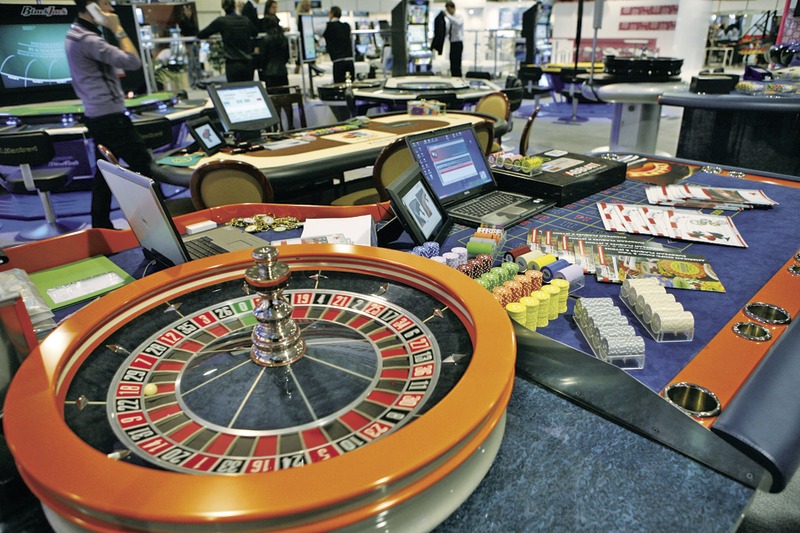
Instead of shifting to uniform taxation of gambling activities in the country, at reasonable rates, Finance Minister Simeon Dyankov is attempting to split the industry at the expense of discriminating land-based gambling in favour of online gambling. This became clear during the meeting of the Parliament’s Budget Committee on May 17. There they discussed the proposal of the Cabinet, the 15 percent uniform levy applied now to all gambling operators in the country to be reduced to 6 or 8 percent for online gambling.
It is the case in many European countries, according to Minister Dyankov’s supporters among the members of the ruling GERB party. The motive for the decrease is that online gambling offers returns on bets exceeded 95 percent. The circles of the ruling party are showing decreases appreciation for the idea the ??profit there to be taxed as the difference between bets made and benefits paid, and not as it is now – to tax turnover.
Therefore, no a foreign operator would come to Bulgaria as the tax burden would be too heavy. In practice, our double levy is higher than that in France or Malta, said a source from the Parliamentary Committee on Budget and Finances. Lower tax on games of fortune on the net will also help in the battle against unlicensed sites, representatives of GERB point out. If Bulgaria does not have attractive online operators, it is likely that people will turn to illegal sites, rather from which the state budget will lose, not to mention that the player may experience damages and even not receive his or her wins, said the source from the Parliament’s budget committee.
A month ago, Finance Minister Simeon Dyankov started speaking of lowering the rate, but only for games of chance that take place on the Internet. His comments provoked a strong reaction from the Bulgarian Association of Entertainment and Gambling, Eurobet and Eurofootball. According to operators, a differentiated rate violates the principles of taxation on gambling businesses in Bulgaria and the European Union. If this precedent happens in our country, this would lead to our suing the state before the European Court and also to a significant financial damage for it, gambling operators noted in a letter to the media.
Experts in tax law commented that it is admissible to have different rates for different games of chance, but such differentiation is not acceptable to be introduced on the basis of online or traditional gambling.
However, in several EU countries there is such a practice. According to the Gambling Commission from 2011 in France online operators pay 8.5 percent tax on turnover, while in Greece – 6 percent and in Italy – between 3 and 5 percent. In these countries, physically operating gambling companies are taxed by different rates.
nbsp;